 Joseph Wallace
Tornado warnings interrupted the night of June 22, 2026, across central Oklahoma, as the National Weather Service issued alerts for at least three counties while KOCO 5 News streamed wall-to-wall coverage. By 1:26 a.m. CDT, warnings covered Southern Noble County, North-central Logan County, and Western Payne County — with a storm capable of producing a tornado near Orlando tracking east at 20 mph. Stillwater, Mulhall, and communities around Lake Carl Blackwell and Lake McMurtry were among those in the warning zone.
A Night of Warnings Across Central Oklahoma
The tornado warning was only part of the story. Severe thunderstorm warnings swept a much wider band, affecting Washita, Comanche, Grady, Caddo, Stephens, Jackson, Kiowa, Tillman, and Canadian counties, according to the National Weather Service in Norman. Osage and Pawnee counties in northeastern Oklahoma received separate severe thunderstorm warnings from the NWS Tulsa office.
The Storm Prediction Center had flagged June 21–22 as a high-risk period for severe convective activity across the Southern Plains. KOCO 5 — the ABC affiliate in Oklahoma City and the region's primary severe weather station — tracked rotating cells in real time as meteorologists guided viewers through shelter-in-place decisions.
Forecasters warned of flying debris dangerous to anyone without shelter, mobile homes at risk of destruction, and significant damage to roofs, windows, and vehicles. Tree damage was described as "likely" across all warned areas.
What the Morning After Means for Your Home
For homeowners in central Oklahoma, the question after a severe weather night is not simply whether the house is still standing — it is whether it is structurally safe. Tornado-force winds, large hail, and flying debris can damage a home deceptively: a house may look intact from the street while bearing compromised roof trusses, shifted load-bearing walls, or new cracks in the foundation.
The surge of contractor calls after a major storm event typically peaks 24–48 hours after warnings clear. Homeowners who wait longer frequently find that insurers scrutinize delayed damage claims more carefully, and that some damage worsens between the storm and the first professional inspection.
"After a tornado warning event, the biggest mistake I see is homeowners going up on the roof immediately," said a licensed general contractor with over 15 years of storm restoration experience in Oklahoma. "A hail-damaged roof deck can crack under foot. You need a professional assessment before you set one foot up there."
If your property fell within a warned county on June 22, here are five structural safety checks a qualified home improvement specialist would walk you through — and why acting within the first 48 hours protects both your family and your insurance claim.
5 Structural Checks After an Oklahoma Tornado Warning
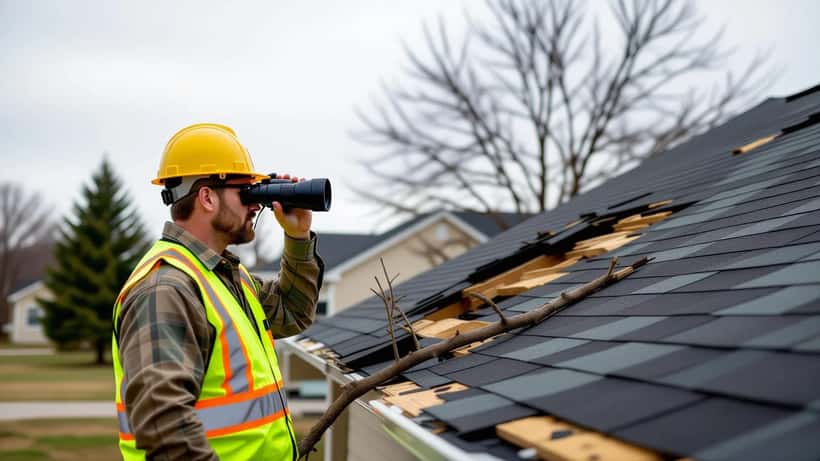
1. Inspect the Roof from the Ground — Then Stop
Use binoculars to scan for missing shingles, exposed roof decking, lifted flashing around chimneys and vents, or visible impact points from hail or debris. If any of these signs are present, do not attempt to climb onto the roof. A licensed contractor can document the damage professionally — documentation your insurance adjuster will require for a valid claim.
2. Walk the Foundation Perimeter
Examine all four sides of your foundation for new cracks in concrete or masonry, and look for shifts in door or window frames that were not present before the storm. Even hairline cracks can signal movement that worsens with the next weather event.
3. Test Every Exterior Door and Window
A door or window that suddenly sticks, gaps at the frame, or no longer closes flush is a potential indicator that the structure has shifted — common in high-wind events even when roof damage appears minimal. This sign is easy to overlook and straightforward to document.
4. Check the Attic
If it is safe to access, a brief attic inspection can reveal displaced roof trusses, daylight penetrating from new gaps in the sheathing, or water infiltration around vents and ridge lines. Bring a flashlight and be methodical — attic damage is among the most frequently missed in homeowner self-assessments.
5. Photograph Everything Before Any Cleanup
Before moving debris or placing a tarp over a damaged section, photograph and video every affected area thoroughly. Oklahoma insurance adjusters rely heavily on pre-cleanup documentation. A home improvement specialist can supplement your photos with a written damage report, which significantly strengthens a claim if the adjuster visits days later.
Home safety assessments involve professional judgment. Damage severity and applicable building codes vary by property and location. Consult a licensed contractor for advice specific to your situation.
When to Call a Specialist — and Why Timing Matters
According to FEMA's guidance on tornado preparedness and recovery, post-event structural assessments should be conducted by licensed professionals before homeowners begin any interior repairs. This guidance is especially important for properties near a confirmed tornado path or within a warned county.
For central Oklahoma homeowners affected by the June 22 warnings, reaching a licensed contractor or structural inspector within 24–48 hours protects both your physical safety and your insurance claim timeline. Many contractors log the date of their first site visit — a detail that becomes critical if a dispute arises about when damage first appeared.
ExpertZoom's Home Improvement specialists and structural assessment experts connect Oklahoma homeowners with vetted, licensed contractors who specialize in storm damage inspection, documentation, and repair — from the initial safety walkthrough to final restoration.
Oklahoma's Tornado Risk: The Numbers Behind the Warnings
Oklahoma is among the most tornado-prone states in the United States. The National Weather Service reports that Oklahoma has averaged more than 62 confirmed tornadoes per year over the past three decades, with June representing one of the peak months for severe convective activity. The state sits in the heart of "Tornado Alley," where warm Gulf moisture meets drier, cooler air from the Rocky Mountains — a combination KOCO 5 meteorologists track year-round on behalf of millions of central Oklahoma residents.
Severe thunderstorm and tornado warnings like those issued on June 22 serve as the final minutes of warning before potentially destructive winds arrive. For homeowners in Noble, Logan, Payne, and surrounding counties, the event was a reminder that storm preparedness extends beyond the storm itself — and that having a trusted home improvement professional available before the next weather system arrives is one of the most practical investments an Oklahoma homeowner can make.
