 Lucas Price
Kansas City's spring 2026 tornado season has been one of the most active in recent memory. Since mid-April, at least six confirmed tornadoes have struck the metro area, leaving a trail of damaged homes in Belton, Raymore, Oak Grove, Smithville, and communities north of the city. Hundreds of homeowners are now confronting a pressing question: before you call a contractor, do you actually know what's broken?
What the April 2026 Storms Left Behind
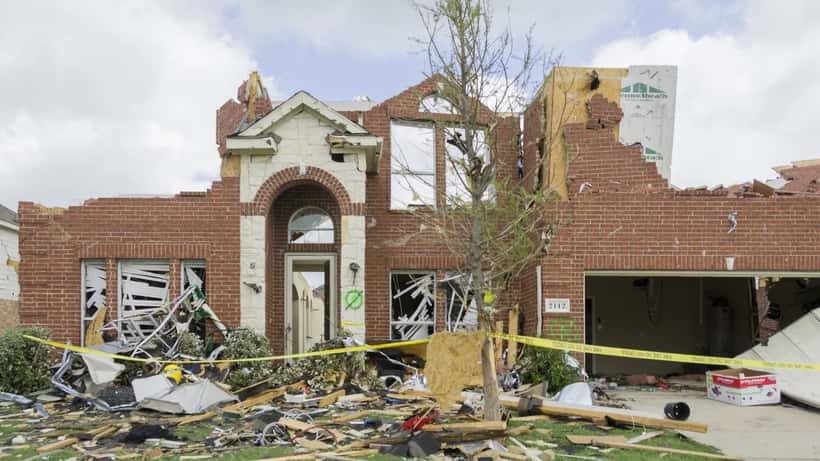
The outbreak began on the night of April 17, 2026, when a tornado tore through Belton, stripping siding from homes, shattering windows, and tearing off sections of roofing. Within days, an EF1 tornado packing 110 mph winds struck north of Kansas City, damaging 20 to 25 homes in Smithville alone. In Oak Grove, approximately 20 structures were damaged and 10 to 15 residents were treated for non-life-threatening injuries.
By late April, the National Weather Service Kansas City office had confirmed two additional tornadoes touching down south of the metro: an EF1 in northwestern Miami County, Kansas, and an EF0 in Linn County. KCUR reported that Kansas City has seen more tornado activity in 2026 than in any comparable period in recent years — and storm season is far from over.
The cumulative impact: hundreds of damaged structures, disrupted families, and a homeowner insurance claims surge that local contractors are struggling to keep pace with.
The Real Danger Comes After the Storm
Most homeowners focus on what's visible: a missing roof panel, a broken window, downed siding. But home improvement experts warn that post-tornado structural damage is often hidden — and that the rush to repair quickly can lead to costly mistakes.
An EF0 or EF1 tornado doesn't have to demolish a home to compromise it. Sustained winds in the 65–110 mph range can subtly weaken roof trusses, shift wall framing, crack foundation slabs, and loosen load-bearing connections. None of this is obvious from the street.
There is also a well-documented surge in contractor fraud following major storm events. Unlicensed or out-of-area contractors flood disaster zones with low bids, take deposits, and sometimes disappear. Others complete work that fails inspection or creates ongoing structural risks. Before you sign anything, you need an independent assessment of what you are actually dealing with.
What a Home Improvement Expert Examines
A qualified home improvement professional — whether a licensed general contractor, structural inspector, or experienced craftsman — conducts a systematic walk-through. Here is what a thorough post-tornado assessment covers:
Roof and Attic
The roof is the most exposed element of any structure during a tornado. A professional will inspect missing, lifted, or cracked shingles; damage to ridge caps and flashing; the structural integrity of trusses and rafters from inside the attic; and whether gutters and fascia boards have warped or detached. A roof that looks intact from the ground can have significant hidden damage above the decking.
Foundation and Load-Bearing Structure
Rapid pressure changes during a tornado can shift a home's frame. Warning signs include cracks in basement walls or floor slabs, doors and windows that no longer close properly, visible gaps between walls and ceilings, and uneven floors. A home improvement expert trained in structural assessment knows where to look and what the findings mean.
Siding and Exterior Wall Systems
Siding damage is often more than cosmetic. If the weather-resistant barrier beneath the cladding has been penetrated, water infiltration can begin within hours of a storm and produce mold inside wall cavities within days. An expert checks whether the barrier was compromised, assesses loose or missing siding sections, and inspects impact damage around window and door frames.
Windows and Frames
Broken glass is the obvious concern, but a professional also checks for bent frames, failed seals, and windows that have shifted in their openings due to structural movement — all of which create energy loss and water infiltration problems that compound over time.
Electrical and HVAC
Flying debris frequently damages outdoor air conditioning and heating units and can knock loose electrical connections at the service entry or disconnect panel. A home improvement expert will flag these systems for specialist follow-up, since they require licensed electricians and HVAC technicians to address safely.
Permits: Why Skipping Them Costs You More
Kansas City and most surrounding municipalities require building permits for structural repairs — roof replacements, foundation work, window replacements beyond minor scope, and exterior wall repairs. A permit triggers a required inspection, which creates an official record that work was completed to code.
Homeowners sometimes accept a contractor's offer to skip the permit process in order to save money or move faster. This is a serious mistake. Unpermitted repairs can trigger complications when you sell the home, create liability if a subsequent failure causes injury, and may void portions of your homeowner's insurance coverage. Any contractor who discourages you from pulling permits is a red flag, not a bargain.
Working With Your Insurance Adjuster
Most homeowner policies cover tornado damage, but the claims process has specific documentation requirements. Your insurer will want photographs taken as soon as it is safe to do so, a detailed inventory of damaged items and structural elements, and often a professional scope-of-work document.
An experienced home improvement expert can prepare the kind of detailed assessment that aligns with what your adjuster needs — and can identify damage that a homeowner walkthrough might miss. Getting this documentation right the first time avoids delays and disputes during the claims process.
When to Get a Consultation Before You Commit
If you have received multiple contractor estimates that vary widely, or if a contractor is pressuring you to sign quickly before you have had time to review what they found, a consultation with an independent home improvement expert can provide clarity. A one-hour professional review of your property can help you understand the true scope of damage, evaluate whether the proposed work is appropriate, and ensure you are not paying for repairs you do not need — or missing ones you do.
How ExpertZoom Can Help
Finding a trustworthy, licensed home improvement professional after a disaster should not add to your stress. On ExpertZoom, homeowners connect directly with vetted experts who understand post-storm assessment, local building codes, and the documentation your insurance claim requires. Whether you need an independent structural opinion before signing a contractor agreement or a second look at a scope of work you have already received, an expert consultation is the step that turns confusion into a clear plan.
The Kansas City tornadoes of April 2026 tested thousands of homes. The rebuilding process does not have to be a second ordeal — but it starts with knowing exactly what you are dealing with.
