 Joseph Wallace
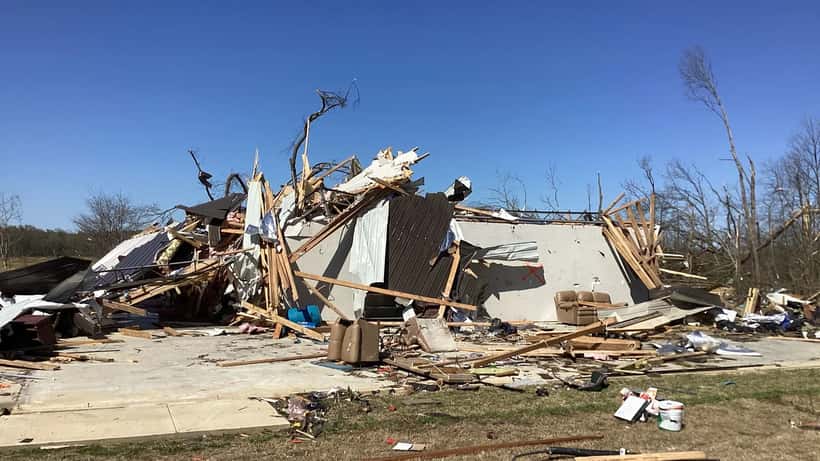
Memphis is under an enhanced severe weather threat on April 27–28, 2026, with 7.9 million people across the Mid-South facing a credible risk of EF-3 or stronger tornadoes, damaging wind gusts up to 75 mph, and hail up to 2.5 inches. The Storm Prediction Center placed much of the greater Memphis metro at a Level 2 out of 5 risk, with a Level 3 corridor just north of the city — meaning organized, damaging storm activity is nearly certain.
What the Storm System Brings
A potent cold front is colliding with unseasonably warm, humid air across Tennessee, Arkansas, and Kentucky. The National Weather Service office in Memphis has issued forecasts for a two-phase event:
- Monday night, April 27 (after 7 p.m.): The first wave brings 0.5–0.75 inches of rain, straight-line wind gusts of 30–35 mph, and an organized tornado threat
- Tuesday night, April 28: The stronger second wave arrives with 1–2 inches of rain in the heaviest bands, wind gusts potentially reaching 75 mph, hail up to 2.5 inches in diameter, and renewed tornado risk
According to the National Weather Service Memphis, wind damage and large hail are the primary threats. However, model data supports the possibility of long-track, violent tornadoes across parts of the Mid-South during both rounds.
Before the Storm: What to Do Right Now
If you live in or near Memphis, the next few hours are the most important window to reduce your home's exposure to damage. Home improvement professionals prioritize these pre-storm tasks:
Outdoors:
- Bring in or anchor patio furniture, planters, grills, and any loose items that wind can turn into projectiles
- Trim or remove dead tree branches hanging over your roof or vehicle
- Clear gutters and downspouts — blocked drainage forces water under shingles and into wall cavities
- Move vehicles into a garage or covered parking structure away from trees
Indoors:
- Locate your insurance policy and take a timestamped video walkthrough of your home's current condition
- Identify your safest shelter room — an interior room on the lowest floor, away from windows
- Charge phones, gather flashlights, and keep emergency supplies accessible
Hail at 2.5 inches (the size of a baseball) is capable of puncturing asphalt shingles, denting aluminum gutters, crushing HVAC fins, and cracking vinyl siding. Pre-storm documentation is critical: it establishes a clear before-and-after baseline for any insurance claim.
After the Storm: Critical Inspection Points
Once the storm passes and conditions are safe, a systematic home assessment should begin within 24 to 48 hours — before additional rain or wind makes hidden damage worse. Do not climb onto your roof yourself after a storm; wet surfaces and potential structural compromise make DIY inspections dangerous.
A licensed home improvement contractor should examine:
- Roof deck and shingles: Look for lifted, missing, or impact-bruised shingles. Hail leaves circular impact marks that are not always visible from the ground
- Gutters and flashing: Check for dents, detachment, and whether flashing around chimneys and roof penetrations has pulled away
- Exterior siding: Walk the perimeter for cracks, chips, or punctures — vinyl siding hides underlying damage behind cosmetic cracks
- Outdoor HVAC unit: Hail damage to the condenser fins reduces efficiency by 15–40% even when the unit still runs; have it inspected before cooling season ramps up
- Basement and crawlspace: After 1–2 inches of rainfall in a compressed time period, check for new moisture intrusion at foundation walls and sump pump performance
- Windows and screens: Inspect glazing for chips that can propagate into cracks under temperature swings
Beware of Post-Storm Contractor Scams
Within 48 hours of any major weather event, unlicensed contractors flood affected neighborhoods with door-to-door pitches. This "storm chasing" predatory pattern is well-documented across Tennessee following tornado and hail events.
To protect yourself:
- Request a written, itemized estimate before authorizing any work
- Verify contractor licenses through the Tennessee Department of Commerce & Insurance
- Never pay more than 10–15% upfront before work begins
- Avoid contractors who ask you to sign insurance paperwork on their behalf
For more on how to identify legitimate contractors after a storm, this guide covers the red flags homeowners should watch for.
Get an Independent Assessment Before Your Insurer's Adjuster Arrives
This step is routinely skipped and routinely costly. Insurance adjusters work from their company's rate schedules, which can underestimate repair scope — particularly for roof damage that requires full replacement rather than patch repairs.
A licensed home improvement professional who documents the full damage extent before the adjuster's visit gives you:
- A detailed written report with photo documentation
- An independent repair estimate to compare against the insurer's figure
- Evidence for a supplemental claim if the initial settlement is insufficient
Research consistently shows that homeowners who hire a public adjuster or consult an independent contractor before accepting a storm claim settlement recover significantly more on average than those who accept the first offer.
When to Call an Expert
For Memphis-area homeowners, the window between storms (Monday night into Tuesday) is the right time to book a contractor for a post-storm inspection. After a multi-county severe weather outbreak, qualified craftspeople fill their calendars quickly — often within 24–48 hours of the storm passing.
ExpertZoom connects homeowners with verified local home improvement professionals who specialize in post-storm assessment and repair coordination. Acting immediately after the storm gives you first access to available contractors and the fastest path to a documented, fairly compensated insurance claim.
Stay informed on the developing storm system through official NWS Memphis updates at weather.gov/meg — particularly the Tornado Watch and Warning notifications as the Monday-night wave approaches.
