 Cora Nelson
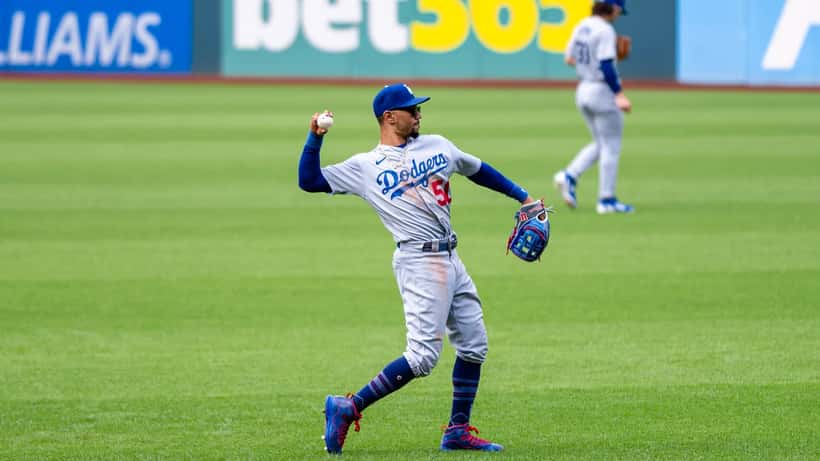
Mookie Betts was activated off the Los Angeles Dodgers' injured list on May 12, 2026, ending a five-week absence caused by a right oblique strain. The shortstop had landed on the 10-day IL on April 5 and took considerably longer than the minimum to return — a timeline that reflects just how cautious professional teams have become about oblique injuries.
The Dodgers' management during his return was deliberate: a day off here, limited appearances there, before gradually returning to an everyday role. In his first three games back, Betts went 2-for-13 with a home run. His own assessment? He does not expect the oblique to require monitoring beyond his normal day-to-day preparation.
For the millions of recreational athletes who train through similar injuries — or push through them — Betts' recovery arc offers some instructive lessons about what oblique strains actually are, and when medical consultation matters.
What Is an Oblique Strain?
The oblique muscles are two sets of abdominal muscles — the internal and external obliques — that wrap around the sides of the torso. They are central to virtually every rotational movement: swinging a bat, throwing a ball, serving in tennis, or even lifting heavy objects from an awkward angle.
An oblique strain occurs when these muscle fibers are stretched or torn, usually during a sudden rotational force. In baseball, it happens most frequently during aggressive swings — which is why oblique strains are one of the most common injuries in the sport. According to MedlinePlus, most muscle strains heal within a few weeks, but more severe tears can take months and may require physical therapy. The strain is graded by severity:
- Grade I: Mild stretch or micro-tear. Light pain, minimal functional loss.
- Grade II: Partial tear. More significant pain, reduced range of motion, tenderness.
- Grade III: Complete rupture. Severe pain, functional impairment, likely requiring surgery.
Betts' five-week absence suggests a Grade II or more serious Grade I injury. Grade I strains typically resolve in one to three weeks with conservative management.
The Problem With Returning Too Soon
Oblique injuries carry a notably high re-injury risk. The rotational demands of baseball — and many other sports — mean that even partially healed muscle tissue can be re-stressed with a single swing. The Dodgers' cautious reintegration of Betts reflects a well-established clinical reality: premature return to play significantly increases the probability of a more severe tear.
According to research cited by sports medicine specialists, oblique strains in baseball players have a re-injury rate of approximately 15 to 20 percent when players return before full tissue healing. For recreational athletes, the temptation to return to sport is even harder to manage because there is no team of trainers and physicians managing the timeline.
The recovery from complex sports injuries follows principles that apply across professional and amateur athletes alike — but without a medical team, recreational athletes often miss the signs that they are not yet ready.
Signs You Should See a Sports Medicine Doctor
If you have sustained or suspect an oblique strain, the following signs warrant professional evaluation rather than a wait-and-see approach:
Pain persisting beyond 72 hours. Mild muscle soreness from exertion typically resolves within two to three days. Pain that persists or worsens after that window suggests a more significant tissue injury.
Pain sharp enough to limit breathing or coughing. The oblique muscles are involved in the mechanics of breathing. If your pain is aggravated by deep breaths or coughing, you likely have at least a Grade II strain and should not be returning to sport without clearance.
Visible bruising on the side of the torso. Bruising in the lateral abdomen, particularly appearing 24 to 48 hours after injury, indicates internal bleeding from torn muscle fibers — a Grade II or III injury that requires imaging.
Pain on the opposite side during rotation. This counterintuitive sign — pain on the left when rotating right, for example — can indicate a more significant tear pattern that plain-movement testing does not capture.
Prior oblique injury. Athletes with previous oblique strains are at substantially higher risk of re-injury in the same muscle group. Any new lateral abdominal pain in this population warrants evaluation, even if the sensation is mild.
What a Sports Medicine Evaluation Involves
A sports medicine physician will typically begin with a physical examination that tests range of motion, pinpoints tenderness, and assesses functional strength through controlled rotation. For suspected Grade II or Grade III injuries, imaging — usually an MRI — is used to quantify the extent of the tear and guide the rehabilitation protocol.
Rehabilitation for oblique strains usually involves a staged progression: initial rest and ice management, followed by gradual introduction of core stability exercises, then rotational loading at progressively higher intensities. The timeline is driven by symptom resolution and functional testing, not calendar days.
Returning from any musculoskeletal injury requires matching the rehabilitation protocol to the individual's specific injury grade, age, conditioning level, and the demands of their sport — not an average recovery timeline from a general internet search.
When Recreational Athletes Miss the Window
The most common error recreational athletes make with oblique strains is resuming activity at the first sign of reduced pain. Pain reduction and tissue healing are not the same thing. Muscle fibers need time to reorganize and regain tensile strength, a process that happens over weeks regardless of how the area feels during daily movement.
Betts' five-week timeline — managed by one of the most well-resourced sports medicine programs in professional baseball — is instructive. Most recreational athletes do not have that infrastructure, which is precisely why consulting a sports medicine specialist provides value that self-management cannot replicate.
If you are dealing with a lateral abdominal injury that is not resolving on its expected timeline, or you are unsure whether it is safe to return to your sport, Expert Zoom connects you with verified sports medicine and health specialists who can assess your injury and build a return-to-play plan based on your specific situation.
