 Laura Clark
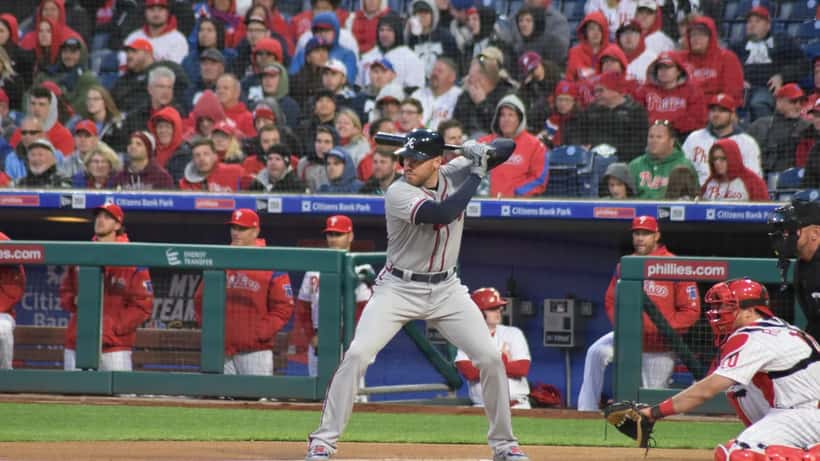
Los Angeles Dodgers first baseman Freddie Freeman declared at the start of the 2026 MLB season that he would miss only three games all year — two when his wife gives birth and one the day after the Dodgers clinch the NL West. On April 6, Freeman punctuated that commitment with a 438-foot home run off the Blue Jays, batting .275 with 13 RBIs through his first 12 games at age 36. He is, by any measure, playing at the top of his game.
But his pledge to play through anything is also a reminder of a choice millions of amateur athletes make every week — to push through discomfort, skip recovery, and ignore warning signs that a sports medicine specialist would flag immediately.
The Freeman Standard Is Not Normal
What makes Freeman exceptional isn't just his bat. It's that he played Game 1 of the 2024 World Series on a severely injured ankle, hitting a walk-off grand slam while barely able to run the bases. His recovery since then involved professional sports medicine teams, daily imaging, carefully managed load programs, and medical staff tracking every variable in his body.
When a recreational athlete — a weekend soccer player, a 45-year-old rec league basketball player, a masters swimmer — sees an elite professional play through significant injury and concludes "if he can do it, I can too," the comparison is dangerously flawed. Freeman's access to real-time medical monitoring and immediate intervention is the context that makes his choices survivable. Without it, the same decision carries very different risks.
What "Playing Through Pain" Actually Covers
Sports medicine specialists distinguish between three categories of pain that patients routinely conflate:
Discomfort and muscle fatigue — Normal. Expected. The result of training load. This is the burn of a hard workout or the soreness of DOMS (delayed onset muscle soreness) 24-48 hours after exertion. Playing through this is not only safe — it's often the point of training.
Acute pain with a specific incident — A sharp, sudden pain during activity linked to a specific movement: a pop in the knee, a sudden pain in the Achilles, a wrist that collapses under pressure. This is a red flag requiring immediate evaluation. The diagnostic question is: did something structurally fail? Continuing to play after this type of event risks converting a treatable acute injury into a chronic condition that requires surgery or months of rehabilitation.
Persistent or worsening pain that returns with each activity — The most commonly ignored category. Pain that goes away overnight but returns within 10-15 minutes of starting activity is a sign of a structural issue that the body is compensating around, not healing. Stress fractures present this way. Rotator cuff tears present this way. Patellar tendinopathy presents this way. Playing through this pattern repeatedly accelerates structural damage.
The Weekend Warrior Risk Profile
According to the National Institute of Arthritis and Musculoskeletal and Skin Diseases (NIAMS), amateur athletes account for a disproportionate share of serious sports injuries precisely because they combine high activity levels with inadequate recovery, less conditioning than elite athletes, and a tendency to delay seeking care. NIAMS research shows that muscle and tendon injuries are most common in adults aged 30-50 who have returned to sport after a period of inactivity.
The specific injury risks for recreational athletes differ from professionals:
- Tendon and ligament injuries are more common in older recreational athletes because collagen cross-linking in tendons degrades with age, making them stiffer and less resilient under sudden load
- Overuse injuries are more frequent because weekend warriors typically compress a week's worth of activity into 1-2 sessions, creating localized stress that trained athletes spread across daily activity
- Delayed care compounds both — a professional athlete who rolls an ankle sees a team physician the same day; a rec-league player often "walks it off" for three weeks until the swelling doesn't go down
Freddie Freeman's 2024 ankle injury was managed with daily MRI monitoring and a team of specialists making real-time decisions. The equivalent for an amateur athlete is walking into urgent care three days later when they can't put their shoe on.
When to See a Sports Medicine Specialist — Not Just Urgent Care
There's an important distinction between acute injury management (urgent care, emergency) and sports medicine evaluation. A sports medicine physician or orthopedic specialist brings expertise in the biomechanics of injury, return-to-play criteria, and the difference between conservative management and surgical intervention that general urgent care often cannot provide.
The triggers that should send you to a sports medicine specialist rather than waiting:
- Any joint pain accompanied by swelling that doesn't resolve within 48 hours — swelling indicates bleeding or fluid accumulation that warrants evaluation
- Pain that changes your movement pattern — if you're limping, guarding, or compensating, your body is already altering mechanics in ways that create secondary injury risk
- A sensation of instability in a joint — the feeling that a knee "gives way" or a shoulder "slides" is not normal stiffness, it's a structural signal
- Pain that has persisted through more than two training cycles — if you've taken rest and it comes back the same way, it's not resolving spontaneously
The Real Message From Freeman's Season
The story of Freddie Freeman's 2026 "Iron Man" pledge is inspiring. It's also an elite athlete making a calculated decision with the full support of a medical team that would pull him from a game the moment the calculus changed.
The real lesson for recreational athletes isn't "push through everything." It's that the athletes who sustain long careers — Freeman is 36 and playing at his best — take their bodies seriously enough to understand the difference between manageable discomfort and a signal that requires professional evaluation.
Getting that evaluation isn't a sign of weakness. It's exactly what the professionals do.
Disclaimer: This article provides general health information for educational purposes. It is not a substitute for professional medical advice, diagnosis, or treatment. Consult a licensed sports medicine physician or orthopedic specialist for concerns about specific injuries.
