 Evelyn Carter
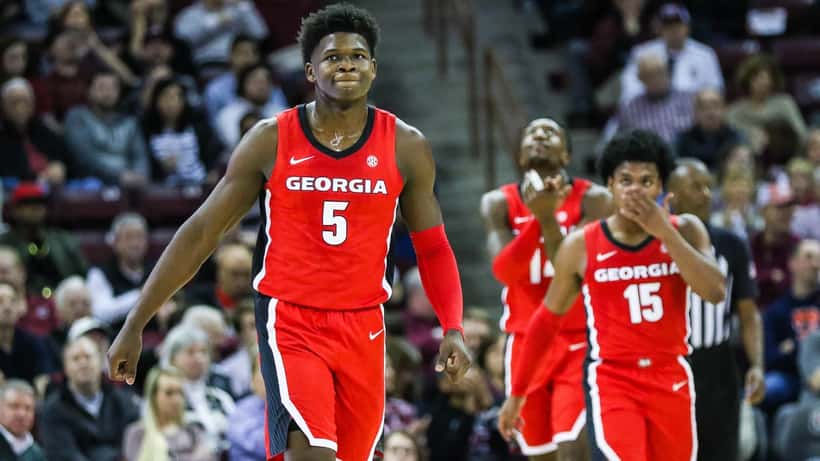
Anthony Edwards hyperextended his left knee and suffered a bone bruise in Game 4 of the Minnesota Timberwolves vs. Denver Nuggets playoff series on April 25, 2026. In the same game, Donte DiVincenzo ruptured his Achilles tendon — ending his entire postseason. Two Timberwolves starters lost in one night, and millions of recreational athletes watching from home recognized that familiar dread.
These are not just NBA stories. Knee bone bruises and Achilles tendon tears are among the most common — and most mismanaged — sports injuries in everyday American life. Here is what the medical science says, and when you should see a specialist.
What Is a Bone Bruise?
A bone bruise, or bone contusion, is damage to the bone's trabecular (spongy) inner layer that occurs without a visible fracture. In Edwards' case, his leg locked during landing after challenging a shot at the rim in the second quarter, loading his left knee past its normal range of motion in a hyperextension.
According to the National Institute of Arthritis and Musculoskeletal and Skin Diseases (NIAMS), bone bruises do not appear on standard X-rays — MRI imaging is required to diagnose them. This is why they are frequently underestimated or missed entirely in primary care settings. Recovery ranges from two weeks for a mild contusion to three to six months when combined with ligament stress or hyperextension.
The Timberwolves confirmed Edwards would be sidelined "at least one week," but his actual recovery window — potentially stretching through the Western Conference Semifinals — reflects how unpredictable this type of injury can be when compounded by joint stress.
Symptoms that require professional evaluation within 24–48 hours:
- Swelling that develops rapidly within minutes of impact
- Inability to bear weight on the affected limb
- A locking or giving-way sensation in the knee
- Numbness, tingling, or bruising spreading outward from the joint
The Achilles Rupture: Why DiVincenzo Won't Return This Season
Donte DiVincenzo heard a loud pop and limped off the court during the same game — the hallmark presentation of a complete Achilles tendon rupture. The Timberwolves confirmed the diagnosis the following morning: his 2026 postseason is over.
The Achilles is the largest tendon in the human body, connecting the gastrocnemius calf muscle to the heel bone. A complete rupture typically requires surgical repair followed by six to twelve months of structured rehabilitation. DiVincenzo, 28, falls squarely within the peak risk demographic: the American Academy of Orthopaedic Surgeons notes that Achilles ruptures occur most frequently in men aged 30 to 40 who participate in explosive-movement sports — basketball, tennis, sprinting.
Several warning signs often precede a full rupture:
- Chronic tightness or pain in the lower calf, just above the heel
- A burning sensation along the tendon after physical activity
- Morning stiffness at the back of the ankle that eases with movement
- Mild swelling or visible thickening of the tendon
DiVincenzo reportedly felt calf tightness in prior weeks — a known precursor. If you experience any of these symptoms, do not wait for the tendon to "warm up" and dismiss them. A partial Achilles tear caught early can often be managed conservatively. A full rupture almost always requires surgery.
Weekend Warriors Face the Same Risks
Professional athletes have full-time medical teams, daily imaging access, and dedicated physical therapists. Most Americans do not. Yet the injuries are the same.
Every spring and summer, emergency departments see a surge in recreational sports injuries: basketball players landing wrong, weekend runners overloading an Achilles after winter inactivity, tennis players pivoting on a stiff knee. The CDC reports more than 3.5 million children and 2 million adults are treated for sports injuries annually in the United States. A significant share involve the knee and ankle — often injuries that could have been identified and treated before reaching crisis point.
The pattern is consistent: sedentary weekdays combined with intense weekend activity dramatically increases the mechanical load on tendons and joints that haven't been conditioned for that output. This is precisely the window where a sports medicine evaluation matters most — not after the emergency room visit, but when early warning signs are still manageable.
For more on how high-profile playoff injuries reflect everyday athletic risks, see our earlier piece on Kevin Durant's knee scare in the 2026 playoffs and what it means for older athletes.
What to Do When It Happens to You
The decisive factor in recovery outcomes is speed of diagnosis.
If you suspect a bone bruise or knee hyperextension: If your knee buckled, bent the wrong way, or you have rapid swelling within an hour of a landing or impact — seek urgent care or contact your physician the same day. Ask specifically for an MRI referral. A standard X-ray will not identify the injury.
If you heard or felt a pop in your heel: Treat this as an emergency. Do not attempt to walk it off. Go to the emergency room or orthopedic urgent care immediately. Every additional step on a ruptured Achilles risks further damage to the surrounding tissue and complicates surgical repair.
For persistent joint pain after activity: Any swelling, stiffness, or limited range of motion that does not resolve within 48 hours warrants professional evaluation. A sports medicine physician can perform a thorough musculoskeletal assessment, order appropriate imaging, and rule out structural damage before a manageable problem becomes a season-ending one.
The 2026 Injury Season
The playoff injury wave continues beyond Minnesota: Seiya Suzuki returned to the Cubs only in April after a PCL sprain sustained at the World Baseball Classic in March, and Phoenix Suns guard Grayson Allen is managing a hamstring strain that has kept him out of multiple playoff games against the Oklahoma City Thunder. Across professional sports, the April calendar concentrates injury risk — and recreational athletes following these stories should recognize the parallel.
If you have experienced a sports injury or want to understand your risk before the summer season begins, a qualified sports medicine physician or orthopedic specialist can provide the evaluation and clarity you need. On Expert Zoom, you can connect directly with verified health professionals — without a referral or long wait.
This article is for informational purposes only and does not constitute medical advice. Consult a licensed medical professional for diagnosis and treatment of any sports injury.
