 Laura Clark
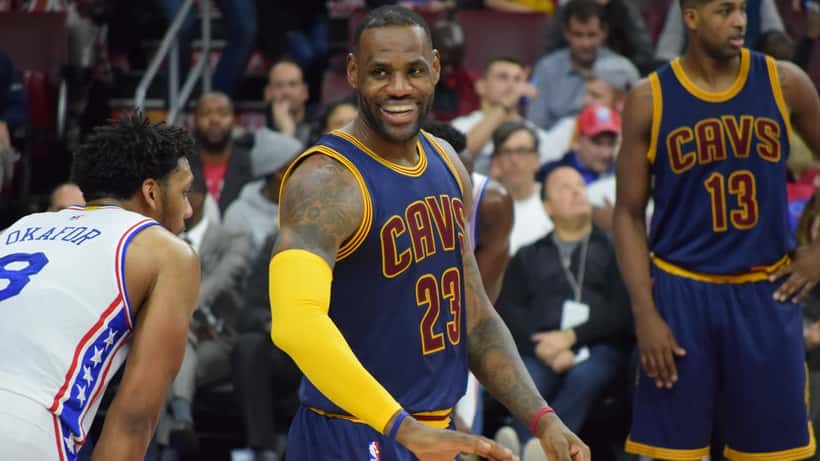
The Los Angeles Lakers won Game 1 of the 2026 NBA Playoffs on April 18, defeating the Houston Rockets 107-98 — but the bigger story wasn't the scoreboard. It was the moment LeBron James and his son Bronny appeared on the court together in a postseason game for the first time in NBA history.
A Historic Night and a Fragile Roster
Game 1 of the Lakers-Rockets first-round series delivered a performance for the history books. Luke Kennard led all scorers with 27 points on 9-for-13 shooting, including a perfect 5-for-5 from three-point range. LeBron James added 19 points, 8 rebounds, and 13 assists. When Bronny James entered in the second quarter alongside his father, the NBA reached a milestone it had never seen: two generations of the same family competing together in the playoffs.
The Lakers needed every point. Luka Dončić, acquired in a blockbuster trade before the season, has been sidelined with a hamstring strain after missing the final five games of the regular season. Austin Reaves is also dealing with an oblique strain and his availability for the series remains uncertain, according to NBC Sports.
That injury picture is familiar to anyone who follows professional basketball closely. The 2026 playoff bracket has been shaped as much by training rooms as by game plans.
What Professional Sports Injuries Tell Us About Our Own Health
NBA players represent the extreme edge of human physical performance. The injuries they suffer — hamstring strains, oblique tears, foot arthritis — are not exotic professional hazards. They are the same conditions that affect recreational athletes, weekend runners, and anyone who exercises regularly or sits at a desk for eight hours a day.
The difference is that NBA players have immediate access to orthopedic specialists, sports medicine physicians, and physical therapists. Dončić's hamstring strain was evaluated within hours of occurrence. Treatment protocols were established immediately. That speed of assessment directly affects recovery timelines and the probability of re-injury.
For the rest of us, access to that level of care is not automatic — but it is available.
Hamstring Injuries: More Common Than You Think
The hamstring is the muscle group most frequently injured in professional sports. According to the National Institutes of Health, hamstring strains account for approximately 12-16% of all sports-related injuries and have a re-injury rate as high as 34% when return to activity is rushed.
That re-injury rate is the number that matters most. It is why sports medicine specialists — not just rest — are critical to recovery. The clinical distinction between a Grade 1 strain (mild muscle fiber tearing) and a Grade 2 strain (partial tear) determines whether Dončić can return in days or weeks. It also determines whether the injury becomes chronic.
The same diagnostic distinction affects anyone who pulls a hamstring during a weekend soccer game, a morning run, or a gym session. The injury feels the same. The stakes for your career may be lower than Dončić's, but the biological risk of inadequate recovery is identical.
Oblique Injuries and the Underrated Core
Austin Reaves' oblique strain is a different category of soft-tissue injury and one that is frequently mismanaged outside of professional settings. The oblique muscles — the layers of muscle that wrap the sides of the torso — are involved in nearly every rotational movement the body makes: throwing, swinging, reaching, lifting, and even prolonged sitting.
An untreated oblique strain often becomes a recurring issue because people underestimate the involvement of the core in everyday movement. They feel better within a week and resume full activity, only to re-injure the same tissue within months.
Sports medicine physicians and physical therapists who specialize in musculoskeletal injuries can assess oblique strains with targeted physical examination and, when needed, imaging. The difference between self-managed rest and a structured rehabilitation protocol is the difference between a single injury and a pattern of recurrence.
The Bronny Factor: Generational Longevity in Sport
The image of LeBron and Bronny James on the court together is remarkable for its symbolism, but it is also a testament to decades of physical management. LeBron James is 41 years old and playing in the NBA Playoffs. He has spoken publicly about spending more than $1.5 million annually on his body — nutrition, sleep technology, recovery specialists, and preventive care.
That level of investment is not available to most people. But the underlying principle — that expert-guided preventive care extends athletic longevity — is accessible at a much smaller scale.
A recreational runner who sees a sports medicine physician for a gait analysis before their first marathon is practicing the same logic. A 50-year-old tennis player who works with a physical therapist to address hip rotation limitations is making the same investment in longevity that professionals make, proportionally.
When to See a Specialist
Most soft-tissue sports injuries are initially managed with rest, ice, and over-the-counter anti-inflammatories. But there are clear thresholds where self-management is insufficient:
- Pain that does not improve within 72 hours of a mild injury
- Any injury that causes immediate and significant swelling
- A popping or snapping sensation at the moment of injury
- Re-injury of the same muscle or joint within 6 months
- Any injury that affects your ability to bear weight or move normally
If any of these apply, a sports medicine specialist or orthopedic physician can provide an accurate diagnosis, rule out structural damage, and design a return-to-activity protocol that reduces your re-injury risk.
The Lakers' medical staff made those assessments for Dončić and Reaves within 24 hours. You have access to the same quality of evaluation.
This article is for informational purposes only and is not a substitute for medical advice. Consult a qualified healthcare provider for any health concerns.
