 Ava Miller
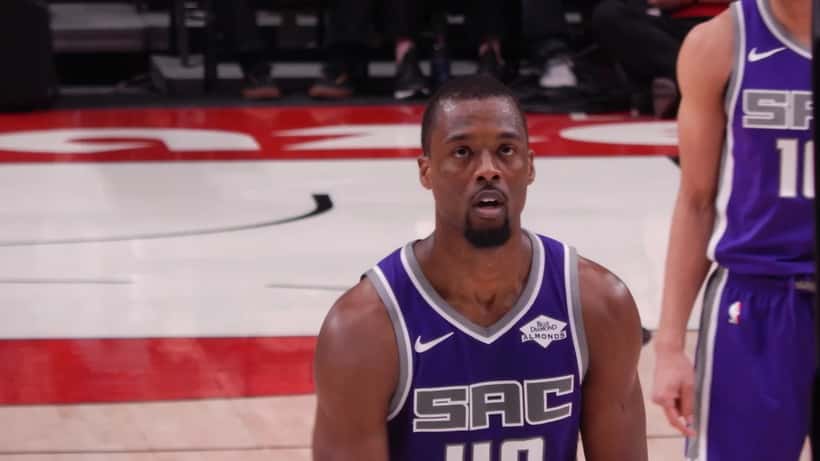
San Antonio Spurs forward Harrison Barnes left Game 2 of the NBA Playoffs against the Portland Trail Blazers on April 21, 2026, clutching his left wrist and heading directly to the locker room in the fourth quarter. As of April 24, he is listed day-to-day for Game 3 — a classification that in professional sports often means anything from "probably fine" to "playing through something serious." For fans, it raises a question that applies far beyond the hardwood: when does a wrist injury warrant a specialist?
What Happened to Harrison Barnes
Barnes exited the Spurs-Trail Blazers Game 2 playoff contest after sustaining a wrist injury in the final quarter. He had logged 15 minutes by that point, recording 4 points and 1 rebound. His status for the remainder of the series remains uncertain, with the Spurs medical staff monitoring the injury on a day-by-day basis.
The stakes are high on multiple fronts. Barnes is 34 years old and becomes an unrestricted free agent after this season. His contract value heading into that free agency depends in part on what he demonstrates in these playoffs — and how he recovers. He had played all 82 games in each of three consecutive seasons before this year, a durability record that speaks to how he has historically managed his body.
Why Wrist Injuries Are Deceptively Complex
The wrist is one of the most structurally intricate joints in the human body, containing eight small bones, multiple ligaments, tendons, and a network of nerves. Injuries that look minor — a twist, a hard landing, an awkward impact — can mask damage that only imaging reveals.
The most commonly underestimated wrist injury is a scaphoid fracture. The scaphoid is one of the eight small carpal bones, and fractures of it often present as a sprain: tenderness along the thumb side of the wrist, mild swelling, pain with movement. Many people walk around for days or weeks assuming it will resolve. If left untreated, a scaphoid fracture can develop avascular necrosis — the bone loses its blood supply and deteriorates — leading to long-term loss of grip strength and mobility.
According to the American Academy of Orthopaedic Surgeons (AAOS), wrist sprains range from mild (stretched ligament) to severe (partial or complete tear), and severity cannot be reliably determined without clinical evaluation and often imaging. X-rays can miss up to 20% of scaphoid fractures in the first two weeks after injury.
Warning Signs That Warrant a Medical Visit
Not every wrist injury requires emergency care. But certain patterns consistently signal that a professional evaluation — and not just ice and rest — is the right call.
See a doctor or orthopedic specialist if:
- Pain persists beyond 48-72 hours without improvement
- There is noticeable swelling or bruising that worsens over the first day
- You cannot fully grip or bear weight through the wrist
- You feel pain directly over the small bones on either side of the wrist (anatomical snuffbox tenderness is a specific red flag for scaphoid fracture)
- The wrist looks deformed or the range of motion is significantly restricted
For Barnes, a professional athlete with access to team physicians and imaging technology, the diagnosis timeline is measured in hours, not weeks. For most people, delays in evaluation are the primary driver of complications.
When to Push Through — and When Not To
Athletes and active adults often face pressure — internal or external — to minimize injury and continue competing or training. There are situations where modified activity is appropriate. There are others where continuing increases long-term risk significantly.
A sprained ligament with mild grade-one damage and stable mechanics can typically be managed with rest, splinting, and guided rehabilitation. A scaphoid fracture, a TFCC (triangular fibrocartilage complex) tear, or significant ligament disruption requires imaging, professional diagnosis, and in some cases surgical intervention. The difference matters enormously for long-term function.
Sports medicine physicians and orthopedic specialists use a combination of physical examination, X-ray, and MRI to map exactly what is damaged. That assessment determines not just whether you can return to sport, but whether you can do so without turning a recoverable injury into a chronic problem.
Leylah Fernandez's return to elite tennis earlier this year after a wrist injury was guided by exactly this kind of structured specialist management — the same approach that helped her avoid long-term damage that a "wait and see" response might have allowed to develop.
Finding the Right Expert Before the Injury Gets Worse
Harrison Barnes has an entire medical staff evaluating his wrist in real time. Most people do not.
ExpertZoom connects patients with orthopedic and sports medicine physicians who can evaluate wrist injuries, recommend appropriate imaging, and design a recovery protocol specific to your activity level. Whether you are a weekend basketball player, a warehouse worker, or a parent who fell on an outstretched hand, the same clinical logic applies: a wrist that doesn't feel right after 48 hours deserves a professional opinion, not just ice and optimism.
The cost of that consultation is low. The cost of a missed scaphoid fracture — or a ligament tear managed as a sprain — can follow you for years.
Medical disclaimer: This article is for general informational purposes only and does not constitute medical advice. If you have sustained a wrist injury, consult a qualified healthcare provider for diagnosis and treatment guidance.
