 Cora Nelson
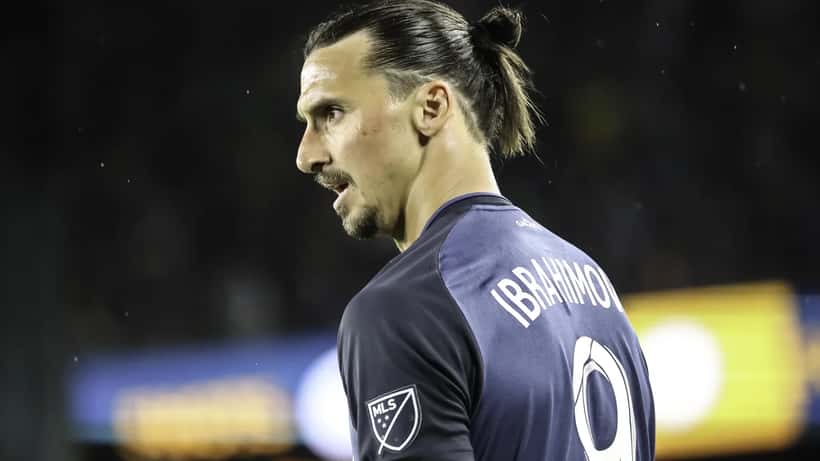
When Zlatan Ibrahimovic tells American soccer fans to "start believing," people pay attention. On June 22, 2026, the Swedish legend — making his broadcasting debut as a FOX Sports studio analyst for the FIFA World Cup — sent a direct message to the United States Men's National Team after their 2-0 victory over Australia secured a knockout round berth: you can win this tournament on home soil.
It is a headline-grabbing moment. But for sports medicine professionals across America, Ibrahimovic's presence at the 2026 World Cup raises an equally compelling question — one with real health implications for millions of weekend warriors, amateur athletes, and fitness enthusiasts nationwide. How did one of soccer's most physically demanding players compete professionally until age 41, accumulating 573 career goals and 34 major trophies over 24 years?
The answer is not genetic luck alone. It is the consistent, proactive use of sports medicine expertise.
Zlatan's Career: Numbers That Defy Biology
Ibrahimovic retired in 2023 after playing at the highest level of European soccer since 1999. His clubs read like a who's who of global football: Ajax, Juventus, Inter Milan, Barcelona, AC Milan, Paris Saint-Germain, Manchester United, and the LA Galaxy. He won league titles in Italy, Spain, France, and Sweden — a feat no other player in history has matched. He played competitively in four different decades.
Most critically, he survived a complete ACL tear in April 2017 — an injury that ends most careers — and returned within 11 months to score at the highest level. He continued playing professionally for six more years after that rupture.
Behind every comeback was a team of sports medicine specialists, physiotherapists, and conditioning experts. Ibrahimovic has discussed this openly in interviews: professional medical guidance was not optional to his method — it was central to it.
Why Most Americans Don't Train Like Zlatan (And Should)
In the United States, millions of people exercise regularly — from recreational youth sports and weekend hiking to CrossFit, running, and pickleball. Yet the majority of American recreational athletes never consult a sports medicine specialist until a problem becomes severe enough to interfere with daily life.
This is a costly pattern. Early professional intervention after sports-related injuries demonstrably reduces recovery time, prevents re-injury, and lowers long-term healthcare costs. According to the American College of Sports Medicine, sports medicine physicians and certified professionals are specifically trained to treat injuries caused by exercise and physical activity — and to optimize the health and performance of athletes at every level, from elite competitors to weekend joggers.
You do not need to be a professional striker to benefit from that expertise.
5 Signs You Should Consult a Sports Medicine Specialist
1. The Same Injury Keeps Returning
If you have sprained the same ankle three times, pulled the same hamstring repeatedly, or feel persistent tightness in a specific area that never fully resolves between training sessions — that is not bad luck. It is a biomechanical signal. Recurring injuries typically stem from muscular imbalances, improper movement mechanics, or incomplete healing from the original incident. A sports medicine physician can identify the underlying cause and correct it before a minor issue becomes a chronic condition that limits activity for years.
2. Pain That Persists Longer Than Two Weeks
Soreness after intense exercise is entirely normal. Pain that lingers beyond 14 days is not. Persistent pain — whether sharp, dull, or intermittent — often indicates an underlying injury the body cannot resolve independently. Tendinitis, stress fractures, cartilage damage, and nerve impingement are all conditions that worsen without appropriate treatment. Left unaddressed, they can require surgery or permanently restrict the activities you love.
3. Your Performance Has Declined Despite Consistent Training
If you have exercised regularly for months but feel weaker, slower, or more fatigued than expected — rather than fitter — this can signal overtraining syndrome, hormonal disruption, or an undiagnosed underlying injury. Sports medicine specialists evaluate functional performance, not just anatomy. They assess training load, recovery protocols, sleep patterns, and nutrition to identify what is limiting your progress and preventing adaptation.
4. You Are Returning to Sport After a Significant Injury
One of the most dangerous windows in any athlete's journey is the return-to-play period following a significant injury — a torn ligament, a fractured bone, a herniated disc. Many people underestimate how long genuine recovery takes and return to full activity too early, risking re-injury or creating compensatory problems in other joints. A sports medicine physician provides objective, measurable clearance criteria rather than a subjective "it feels fine."
Ibrahimovic's ACL recovery succeeded specifically because his medical team controlled the return timeline with precision — not optimism.
5. Joint Pain During Activities That Previously Felt Effortless
If stairs cause knee pain that never troubled you before, if your shoulder aches when you swim laps, or if hip stiffness limits your morning run — these are early warning signs of cartilage wear, tendinopathy, or early-stage degenerative joint changes. Identified early, these conditions are highly manageable with physiotherapy, load modification, and targeted intervention. Left untreated, they often progress to the point where surgical options become necessary.
The Zlatan Lesson for American Athletes
Zlatan Ibrahimovic's 24-year professional career was not simply a product of raw talent. It was built on treating the body as a professional asset — with the right medical expertise, applied at the right moments. As he backs USMNT from the FOX Sports studio this summer, his physical legacy offers a practical lesson for every American who participates in sport at any level: do not wait until the pain is unbearable before seeking professional help.
Sports medicine specialists work with recreational athletes, high school players, and weekend fitness enthusiasts every day — not exclusively with professionals. Whether you are training for your first half-marathon, recovering from a torn rotator cuff sustained playing softball, or simply trying to keep exercising into your fifties and sixties, an expert consultation is the difference between a brief setback and a season — or a sport — lost permanently.
Medical disclaimer: The information in this article is for general health awareness purposes only and does not constitute medical advice. Consult a qualified sports medicine physician or licensed healthcare provider for the diagnosis and treatment of any sports-related injury or health condition.
ExpertZoom connects you with licensed health specialists and sports medicine professionals who can evaluate your specific situation — whether you are managing a nagging injury or planning a safe return to the sport you love.
