 Elizabeth Chen
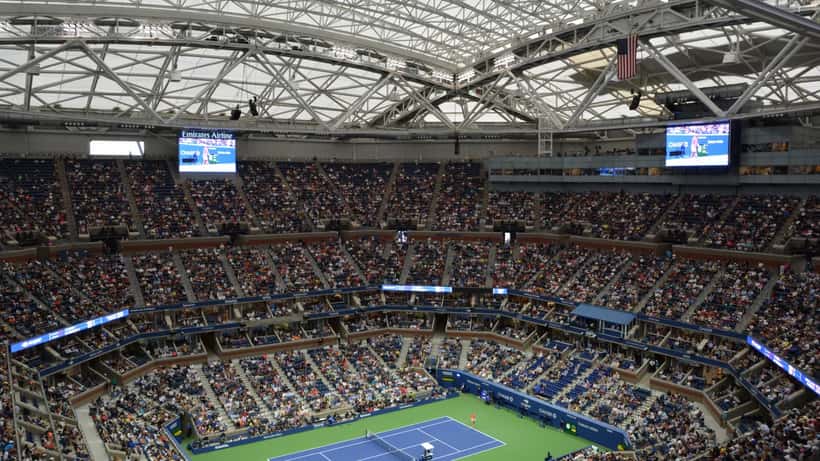
The 2026 US Open, typically the tennis season's crown jewel, opened this month with an unprecedented wave of absences. World No. 1 Jannik Sinner withdrew on August 21 with a persistent right knee injury — the first Grand Slam he has missed since his debut in 2019. He was joined by Holger Rune (ruptured Achilles tendon), Joao Fonseca (abdominal tear), Hailey Baptiste (ACL rupture), Emma Raducanu, and at least nine others, bringing the total withdrawal count to 14 players before the tournament began.
For the millions of recreational tennis players who watch the US Open as both entertainment and inspiration, those headlines raise an uncomfortable question: if the world's best-prepared athletes can't escape sidelining injuries, what does that mean for the rest of us? Specifically — when is tennis pain serious enough to warrant a visit to a health specialist?
YMYL notice: This article is for informational purposes only and does not constitute medical advice. Always consult a qualified health professional for personal diagnosis and treatment.
A Grand Slam Snapshot of the Most Common Tennis Injuries
The 2026 withdrawal list reads like a sports medicine textbook. Sinner's right knee problem — which kept him out of both the Montreal and Cincinnati Masters before ultimately forcing him to skip Flushing Meadows — represents the most prevalent structural joint injury in tennis. Knee injuries account for approximately 18% of all serious tennis injuries, according to International Tennis Federation data.
Holger Rune's ruptured Achilles tendon is among the most severe lower-limb injuries a player can sustain. The Achilles — the thick tendon connecting the calf muscles to the heel — absorbs forces of up to eight times body weight with every explosive lateral movement on a hard court. A complete rupture typically requires surgery followed by 9–12 months of rehabilitation. Rune has been sidelined since October 2025, illustrating just how long recovery can take even with elite medical support.
Joao Fonseca's abdominal tear, Hailey Baptiste's ACL rupture, and the back injuries that forced Alejandro Davidovich Fokina out round out a grim picture. Hard court tennis, played at maximum intensity, places enormous stress on virtually every part of the body. These injuries are not exclusive to professionals — recreational players sustain the same damage, often without the benefit of an immediate medical team.
Why the US Open Withdrawal Wave Matters for Everyday Players
The gap between professional and amateur tennis isn't only about skill — it's about the speed of diagnosis. A professional like Sinner has access to real-time biomechanical monitoring, physiotherapists, sports physicians, and imaging technology within hours of a problem appearing. When his knee first flared in July, his team knew within days how serious the situation was.
Recreational players typically have none of that infrastructure. Research in sports medicine consistently finds that amateur players delay seeking medical attention for an average of three to five weeks after first noticing persistent injury symptoms — a window during which a minor tendinopathy or partial tear can progress to a full rupture requiring surgery.
Health specialists — including sports medicine physicians, physiotherapists, and orthopedic consultants — can provide the same diagnostic clarity for weekend players that elite athletes depend on. The challenge is knowing when to make the appointment. You can read how recurring injuries affect even young professionals in this analysis of Clara Tauson's 2026 injury cascade, which mirrors the patterns seen at Flushing Meadows this month.
A Concrete Case: When "Tennis Elbow" Becomes More Than a Nuisance
Consider a 42-year-old recreational player who has played doubles three times a week for two years. She notices a dull ache on the outer side of her right elbow after each session — a classic presentation of lateral epicondylitis, commonly known as tennis elbow. She applies ice, takes ibuprofen, and plays through it for six weeks.
By week six, the pain has spread to her forearm and is present even at rest. She now struggles to grip a coffee cup in the morning.
The orthopedic assessment reveals a partial tear of the extensor carpi radialis brevis tendon — a Grade 2 injury. Had she consulted a sports medicine physician at week two (when pain first became consistent across multiple sessions), the recommended treatment would have been a structured four-to-six-week physiotherapy protocol and targeted eccentric exercises, at a total cost of approximately $150–$300 in consultation and therapy fees.
Because she waited until week six, her Grade 2 tear now carries a 30–40% probability of progressing to a full rupture if she returns to play without intervention. Her new treatment path includes an MRI (approximately $800–$2,000 depending on insurance), a 10–12-week physiotherapy course, and potential platelet-rich plasma injections — a combined cost that can exceed $3,000, plus a minimum of three months off the court.
The principle here is direct: if you experience pain in the same joint or tendon across two or more consecutive sessions, and it does not resolve after 48 hours of rest, consult a sports health specialist before returning to play. Ignoring that threshold statistically doubles both total recovery time and treatment expenditure.
The Five Warning Signs US Open Pros Take Seriously
The 2026 withdrawal stories share a consistent thread: professional athletes act immediately at the first serious signal, because they understand that delay amplifies risk. Recreational players can apply the same logic.
1. Pain that changes your movement. If your serve action, footwork, or grip has subtly shifted to avoid discomfort, your body is compensating. Compensation accelerates injury elsewhere. This is likely a component of Sinner's knee case — chronic joint irritation alters gait mechanics and stresses adjacent structures over time.
2. Swelling that persists beyond 24 hours. Acute post-match swelling is normal. Swelling that remains in a knee, ankle, or wrist the following morning indicates internal fluid accumulation or bleeding and should be assessed promptly.
3. A sudden "pop" or acute onset of sharp pain. Fonseca's abdominal tear and Baptiste's ACL rupture both involved a discrete moment of injury. A sudden sharp pain accompanied by a popping or tearing sensation during play warrants same-day or next-day medical evaluation — not a self-prescribed week of rest.
4. Numbness or tingling. Neural symptoms — pins and needles along the arm after serving, or numbness in the fingers — indicate nerve compression that does not resolve with rest alone and requires specialist assessment.
5. Night pain. Pain that wakes you from sleep or is present the moment you wake up has moved beyond delayed-onset muscle soreness. This is an inflammatory or structural process and warrants a medical consultation within seven days.
What Type of Specialist to Consult
A common source of confusion for recreational players is knowing which specialist to see:
- Musculoskeletal pain (joint, tendon, or muscle): Begin with a sports medicine physician or musculoskeletal physiotherapist. These practitioners can diagnose most common tennis injuries, order imaging when indicated, and prescribe rehabilitation plans.
- Suspected fracture or ligament rupture: Visit an urgent care center or emergency department first, then follow up with an orthopedic referral.
- Chronic overuse conditions (plantar fasciitis, Achilles tendinopathy, repetitive stress injuries): A sports physiotherapist or podiatrist can perform gait analysis and recommend orthotic interventions.
According to the American Academy of Orthopaedic Surgeons, the majority of overuse tennis injuries — including knee pain, tennis elbow, and shoulder impingement — are highly treatable when identified early. Delayed presentation is the primary driver of poor outcomes and extended recovery timelines. The patterns documented at the 2026 US Open are consistent with broader trends seen across the ATP and WTA seasons, where hard court accumulation and compressed schedules combine to push injury rates higher.
Prevention Is the Real Lesson from Flushing Meadows
The 2026 US Open withdrawal list is not only a story about absent superstars. It is a data point confirming what sports medicine specialists have long argued: hard court tennis, played without adequate recovery and timely medical attention, is hard on the body regardless of fitness level.
The critical difference between a professional player and a recreational one is not immunity to injury — it is the speed of response when symptoms appear. Sinner's team acted within days of his knee problem emerging in July. The average recreational player's response timeline is measured in weeks.
If the US Open inspires you to book more court time this autumn, let it also prompt you to recognize the difference between manageable fatigue and a warning sign. A specialist consultation early in the process is the most cost-effective decision any tennis player — at any level — can make.
Consult a health expert on ExpertZoom if you are experiencing persistent or unusual tennis-related pain. Clear professional guidance now can mean the difference between a minor adjustment and a season lost to preventable injury.
