 Cora Nelson
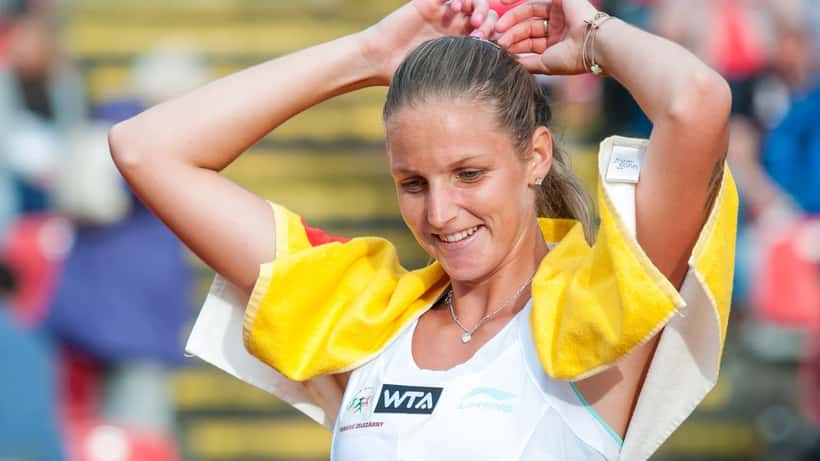
Karolína Plíšková reached the Rome Open round of 16 this week after defeating world No. 46 Laura Siegemund 6-1, 6-4 — a result that would have been unthinkable 18 months ago, when she left the 2024 U.S. Open on crutches with a shattered left ankle. Her story in 2026 is not just about tennis: it's a masterclass in what modern sports medicine can — and cannot — fix.
From No. 1 to Surgery Table: What Happened to Plíšková
At the 2024 U.S. Open, Plíšková broke ligaments and tendons in her left ankle during a match. Surgery followed, and then a complication that no one anticipates: a post-operative infection that extended her recovery from months into more than a year. She finally returned to competition in early 2026, ranked No. 130 in the world — a far cry from the world No. 1 position she held in 2017.
By April, she was already rewriting expectations. At the Madrid Open, she became the lowest-ranked quarterfinalist in tournament history, eliminating ranked opponents on the clay with a protected ranking. In Rome in May 2026, she beat Rybakina to advance further still.
But the numbers hide a harder truth: Plíšková withdrew from the Brisbane International in January 2026 with a right lower leg injury. She is now managing two legs' worth of wear while playing through a brutal clay season at age 33.
The Ankle Ligament Problem Most People Ignore
Ankle ligament injuries are the most common sports injuries in the world. According to the U.S. National Library of Medicine, an estimated 25,000 ankle sprains occur every day in the United States alone — and the vast majority are undertreated. Most people feel better after a few days of rest and ice, return to activity, and then experience repeat sprains that progressively destabilize the joint.
What Plíšková experienced — a severe ligament and tendon rupture requiring surgery — is the end-stage of a process that often begins with a "minor" sprain that never fully healed. The post-surgery infection she suffered represents a complication that, while rare, is more likely when the tissue has been weakened by repeated injury cycles.
This pattern is not unique to elite athletes. Weekend joggers, recreational tennis players, and anyone who has ever "rolled" an ankle at the gym faces the same risk if the underlying damage is not properly assessed and rehabilitated.
What Sports Medicine Specialists Actually Do
The term "sports medicine" is often associated with elite athletes, but the field is relevant to anyone who is physically active. A sports medicine physician or orthopedic specialist can:
- Diagnose the full extent of ligament damage using MRI, which X-rays cannot show. Many sprains that feel minor involve partial tears that only become apparent under imaging.
- Distinguish between conservative and surgical management. Most Grade I and Grade II ankle sprains can be treated with physical therapy and bracing. Grade III tears — complete ruptures like the one Plíšková suffered — often require surgical intervention, especially in active individuals.
- Design a sport-specific rehabilitation protocol. The exercises needed to stabilize an ankle for a professional tennis player differ significantly from those needed for a 40-year-old who plays recreational pickleball twice a week, but both require professional guidance.
- Monitor for post-surgical complications. Plíšková's infection delayed her return by months. A specialist overseeing recovery can identify warning signs — persistent swelling, abnormal warmth, fever — that a general practitioner might not connect to the surgical site.
The cost of skipping this expertise? Chronic ankle instability affects an estimated 40% of people who suffer an initial sprain, according to published research in sports rehabilitation. That means re-spraining, long-term joint degeneration, and — in the worst cases — surgery years after an injury that could have been managed earlier.
At 33, Is Plíšková's Comeback Medically Surprising?
Not according to sports medicine science. Tendon and ligament repair in adults 30 and older was long considered slower and less complete than in younger patients. That view has shifted significantly in the last decade.
Modern surgical techniques, combined with post-operative protocols that include early controlled movement (rather than prolonged immobilization), have dramatically improved outcomes for older athletes. Platelet-rich plasma (PRP) therapy, ultrasound-guided injections, and blood-flow restriction training are now standard tools that many sports medicine practices use to accelerate tissue healing.
Plíšková's real challenge is not her age — it's the compounding effect of managing a recovering left ankle while now dealing with a right lower leg issue. Bilateral lower-limb problems force compensation patterns that can overload the knees, hips, and lower back. This is a recognized clinical risk that a sports medicine specialist or physical therapist would monitor with gait analysis and functional movement screening.
The Lesson for Recreational Athletes
Plíšková is trending because her comeback is inspirational. But the medical story behind it carries a practical message for the millions of Americans who play tennis, pickleball, basketball, or any sport that involves lateral movement.
An ankle injury that persists beyond two weeks — or recurs within six months — deserves professional evaluation. Delaying treatment does not allow an injury to "heal on its own." In many cases, it allows minor structural damage to progress into a problem that eventually requires the kind of surgical intervention Plíšková needed.
ExpertZoom connects patients directly with sports medicine specialists, orthopedic physicians, and physical therapists who can assess ankle and ligament injuries before they become season-ending — or career-threatening — problems. See Rome Open 2026: how pro tennis withdrawals are driving sports medicine consultations for more context on how professional tennis is changing public awareness of sports injuries. And for broader perspective on young athlete health, read Mirra Andreeva's comeback at 18: what it reveals about young athlete health.
If you have experienced a recurring ankle sprain, persistent joint pain after a sports injury, or are returning to activity after orthopedic surgery, a sports medicine consultation can make the difference between a Plíšková-style comeback and a chronic problem.
This article is for informational purposes only and does not constitute medical advice. Consult a qualified healthcare professional for diagnosis and treatment of any injury.
Source: MedlinePlus — Ankle Injuries and Disorders (U.S. National Library of Medicine)
