 Cora Nelson
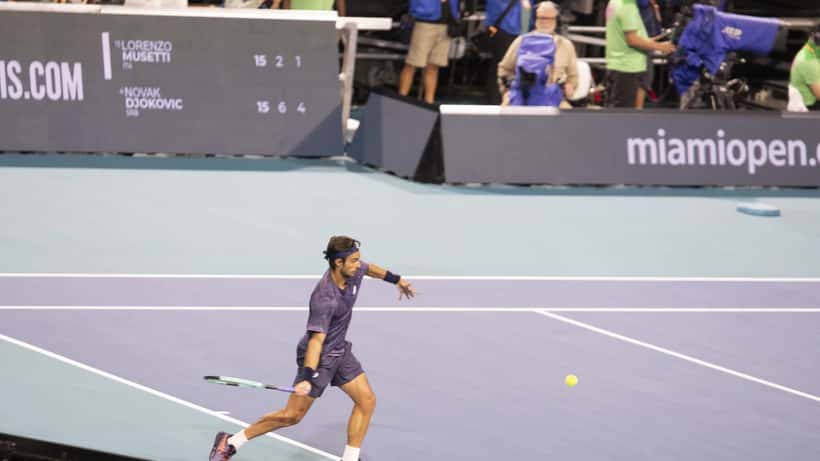
Lorenzo Musetti is making headlines across the tennis world in April 2026. Ranked world No. 5 and seeded 2nd at the ATP Barcelona Open, the Italian star skipped the Miami Masters entirely to spend ten days training on clay in Monaco — a calculated recovery strategy that reflects a growing consensus among sports medicine specialists: rest and targeted rehabilitation are as important as practice time.
Why Musetti's Recovery Choice Matters Beyond Tennis
Musetti's decision to skip Miami was not just tactical. According to ATP Tour data released in April 2026, Musetti holds an 81.8% win rate on clay over the past 52 weeks — the third-best among all active players, behind only Carlos Alcaraz and Jannik Sinner. But that record comes at a cost. Maintaining elite performance across a clay court season, which runs from April through June and includes Monte Carlo, Barcelona, Madrid, Rome, and Roland Garros, places extraordinary stress on a player's body.
The clay court game demands different muscle activation patterns compared to hard courts. Lateral movement, sudden stops, and prolonged baseline rallies generate repetitive strain on the hips, knees, and lower back. According to the National Institute of Arthritis and Musculoskeletal and Skin Diseases (NIAMS), repetitive strain injuries account for more than half of all sports-related injuries among professional athletes, with the shoulder, elbow, and knee being the most commonly affected joints in racket sports — source: niams.nih.gov.
Musetti himself became a father in 2025 — a life event he credits with a "new-found grit and resilience" that has transformed his mental approach. Sports psychologists often note that major personal milestones can reset an athlete's pain threshold and motivation, but they can also mask fatigue signals. This is where professional guidance becomes critical.
The Hidden Risk: Playing Through Fatigue
One of the most dangerous patterns in elite and amateur sports alike is the tendency to play through fatigue. For professionals like Musetti, the financial and ranking pressure to compete is immense. For weekend athletes and fitness enthusiasts, the motivation is often different — personal goals, social commitments, or simple stubbornness.
But the consequences are similar. A 2024 review published by the American College of Sports Medicine found that athletes who skip scheduled recovery weeks are 2.7 times more likely to sustain a significant injury within the following four weeks. For tennis players specifically, the most common overuse injuries include:
- Tennis elbow (lateral epicondylitis): repetitive backhand motion irritates the forearm tendons
- Patellar tendinopathy: repetitive knee bending during serve preparation
- Lumbar stress fractures: hyperextension during the serve motion, especially among younger players
- Rotator cuff impingement: common in serve-dominant players with heavy topspin
Musetti's choice to spend 10 days in structured clay training — rather than competing — mirrors what sports medicine physicians increasingly recommend: active recovery over passive rest. Gentle drilling, targeted strength work, and physiotherapy maintain neuromuscular readiness without accumulating injury risk.
When Should You See a Sports Medicine Specialist?
Most recreational athletes wait too long to consult a professional. The warning signs that warrant an expert assessment include:
Pain that persists longer than 72 hours after activity. Delayed-onset muscle soreness typically resolves within three days. Pain that lingers — especially localized joint pain — is a red flag.
Swelling or warmth in a joint. These are signs of inflammation, which can indicate a developing tendinopathy or early-stage ligament stress.
Change in movement patterns. If you unconsciously alter how you run, serve, or swing to avoid pain, compensatory injuries in adjacent structures are likely developing.
Performance plateaus despite training. A sports medicine doctor or physiatrist can assess whether overtraining syndrome, nutritional deficits, or underlying biomechanical issues are limiting progress.
At ExpertZoom, licensed sports medicine doctors and physical therapy specialists are available for consultations. Whether you play tennis recreationally, cycle on weekends, or train for a marathon, getting a professional assessment before an injury sidelines you is always the better option.
What Musetti's Season Teaches Weekend Athletes
The ATP clay season is a masterclass in periodization — the science of structuring training and competition in phases to maximize performance and minimize injury risk. Elite coaches design yearly calendars with mandatory rest blocks, with Monte Carlo in mid-April serving as a warm-up for the Roland Garros campaign in late May.
For amateur athletes, the lesson is practical: build recovery weeks into your training schedule. Sports science recommends a 3:1 ratio — three weeks of progressive training load, followed by one week of reduced volume. This pattern applies whether you play recreational tennis twice a week or train for a half marathon.
Musetti is also a reminder that elite physical performance is inseparable from mental wellness. The fatherhood-fueled mental reset he describes is consistent with research from the American Psychological Association showing that significant life events — parenthood, job changes, relationship transitions — can profoundly affect athletic motivation, pain tolerance, and recovery behavior.
You don't need to be ranked world No. 5 to benefit from the same principles. A sports medicine consultation at ExpertZoom can help you identify your recovery blind spots, tailor your training schedule to your lifestyle, and ensure that the passion you bring to your sport doesn't turn into time off the court.
The Bottom Line: Recovery Is the Strategy
As Lorenzo Musetti competes at the Barcelona Open this week, his ten days of quiet clay preparation in Monaco are already paying dividends. The choice to prioritize the body over the ranking — to skip one Masters event to be stronger for three — is the kind of decision that separates resilient athletes from fragile ones.
For the millions of Americans who play tennis, run, cycle, or train regularly, the same logic applies. Recovery is not weakness. It is strategy. And when in doubt, consulting a sports medicine professional is always the smarter play — before the injury forces your hand.
For information about sports injuries and prevention, visit the National Institute of Arthritis and Musculoskeletal and Skin Diseases.
Find a licensed sports medicine doctor on Expert Zoom to get personalized recovery guidance.
Disclaimer: This article is for informational purposes only and does not constitute medical advice. Consult a licensed healthcare professional for diagnosis and treatment of sports injuries.
