 Daniel Sterling
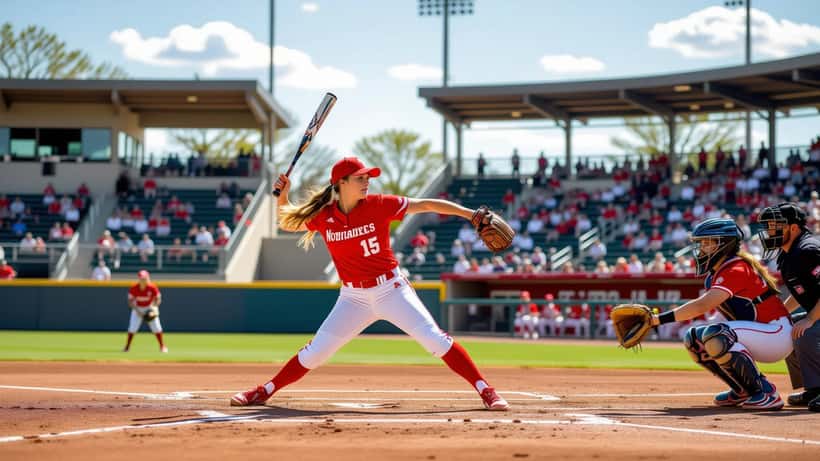
Jordy Frahm, Nebraska's elite pitcher and one of the top college softball players in the country, has opted not to play professionally in 2026. The decision surprised some observers given her credentials: a 1.40 ERA that ranks seventh nationally, 157 strikeouts, a .440 batting average, and Nebraska's single-season saves record. She remains one of just 36 athletes named to Team USA's Women's National Team Talent Pool with the 2028 Olympics in view. While Frahm steps away from the professional circuit, her earning potential through Name, Image, and Likeness deals is not diminished — and the legal landscape around those deals is something every college athlete should understand before signing anything.
What Jordy Frahm's Decision Actually Means
Frahm's opt-out from professional softball in 2026 is not a retirement. It is a strategic choice that keeps her amateur eligibility intact, maintains her NCAA-level NIL access, and preserves her path to the 2028 Olympics through Team USA's talent pool. She married former Husker baseball player Trey Frahm in the offseason, and the lifestyle and scheduling demands of professional softball factor into decisions like these.
Critically, staying in college does not mean staying unpaid. The NCAA's 2021 rule change opened the door for college athletes to profit from their name, image, and likeness — a seismic shift that now generates eight-figure annual deals across college sports. Frahm, as a top-three finalist for the USA Softball Collegiate Player of the Year and a nationally recognized face of Nebraska softball, is one of the most marketable college athletes in the sport right now.
How Much College Softball Stars Can Earn Through NIL in 2026
The benchmark for college softball NIL earnings is NiJaree Canady, who became the first softball player to reach seven-figure NIL status with a $1,050,024 deal from The Matador Club at Texas Tech. That deal — $1 million in base pay, plus $50,000 in living expenses, and $24 symbolizing her jersey number — redefined what the sport's top pitchers can command.
Canady is not the ceiling. In 2026, the Women's College World Series has become a lucrative visibility window for softball stars, with brands actively seeking deals during and around the tournament. Social media following, on-field performance metrics, and community engagement all factor into NIL valuations. An athlete like Frahm — with dominant pitching numbers, a national player-of-the-year nomination, and Olympic program membership — carries a multi-platform brand value that sponsors recognize.
According to USA Softball's official athlete development page, elite talent pool members gain international exposure that amplifies their NIL profiles significantly heading into Olympic cycles.
The Legal Framework Every College Athlete Must Understand
NIL deals are contracts. They govern exactly what an athlete must do — posts, appearances, content creation, brand endorsements — in exchange for payment. The terms that athletes and their families often overlook include:
Exclusivity clauses. A deal with one sports nutrition brand may prohibit any appearance with a competitor for the contract's duration, sometimes including social media content that merely tags a competing brand. Athletes in multiple NIL deals simultaneously must ensure exclusivity clauses in each agreement do not conflict.
Deliverables and timelines. Most brand contracts specify a number of posts, stories, or appearances within a set timeframe. Missing those deliverables can trigger clawback provisions, requiring repayment of already-received funds.
Likeness licensing scope. Some contracts grant the brand broad rights to use the athlete's image, name, and likeness in perpetuity across channels. Others are limited to the contract period. An athlete who signs a broad perpetual license at 20 may find her image used commercially in ways she never anticipated at 30.
State laws governing NIL add another layer. Ohio, Texas, Nebraska, and Florida all have different rules around how involved a school's booster collective can be in brokering deals, what disclosures are required, and what protections exist for the athlete if a collective fails to pay.
The Tax Obligation That Catches Athletes Off Guard
NIL payments are taxable income. Because most college athletes receive NIL payments as independent contractors rather than employees, no taxes are withheld at the source. The athlete receives the full payment — and is solely responsible for setting aside taxes.
This creates specific obligations:
- Quarterly estimated tax payments to the IRS, due four times per year (January, April, June, September)
- Self-employment tax of 15.3 percent on top of ordinary income tax, covering Social Security and Medicare contributions
- Multi-state tax filings if NIL income is earned from appearances or endorsement activities in states where the athlete does not primarily reside
An athlete earning $150,000 in NIL income who fails to pay quarterly estimates can face a federal underpayment penalty on top of the full year's tax liability — a painful lesson that a CPA or tax attorney can help avoid entirely. More information on self-employment tax obligations is available through the IRS Self-Employed Individuals Tax Center.
What Staying in College Means for Frahm's Professional Path
Athletes who remain in college through their eligibility window — including those like Frahm who choose not to go pro in a given year — preserve a well-documented professional track record that translates to professional contracts on their own terms later. Professional softball leagues including Athletes Unlimited consider NCAA performance stats in contract offers.
The 2028 Olympics timeline matters here. If Frahm continues to perform at this level and earns a spot on the full Team USA roster, her post-Olympic NIL and professional market value will be substantially higher than it is today. Choosing to stay in the college ecosystem in 2026 is, from a financial and legal planning perspective, a deferral strategy with real upside.
When College Athletes Need Legal Counsel
The complexity of NIL contracts, tax obligations, and multi-deal exclusivity management means college athletes at the top of their sport increasingly benefit from professional guidance. Situations that warrant a consultation with a lawyer include:
- Before signing any NIL contract exceeding $25,000 or containing perpetual likeness rights
- When a collective or brand fails to pay per the agreed terms
- When contracts from multiple sponsors create potential exclusivity conflicts
- When tax liabilities from prior NIL years were not managed correctly and IRS correspondence has arrived
For athletes like Jordy Frahm — poised for a deep NCAA tournament run, named among the best in the country, and with Olympic ambitions ahead — the legal and financial decisions made in 2026 will shape her options for years. For related context on NIL contract law for top college recruits, see this NIL contracts for top recruits article on ExpertZoom.
ExpertZoom connects college athletes and their families with attorneys who specialize in sports contract law and NIL compliance, available for consultations online at any time.
