 Isabella Torres
Legal Disclaimer: This article addresses legal matters affecting athletes and professionals. The information provided is for educational purposes only and does not constitute legal advice. Consult a qualified attorney for guidance specific to your situation.
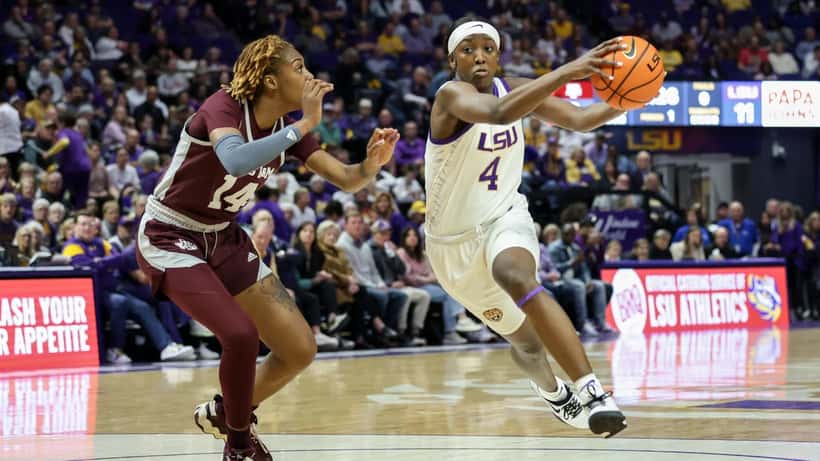
The 2026 WNBA Draft takes place today, April 13, in New York City — and LSU guard Flau'jae Johnson is among the most-watched prospects expected to hear her name called in the first round. But behind every celebrated draft moment lies a complex web of contracts, endorsement deals, and legal obligations that most young athletes are entirely unprepared to navigate alone.
The Draft Is Only the Beginning
Flau'jae Johnson has had a standout senior season at LSU, averaging 14.2 points, 4.2 rebounds, and 2.5 assists per game on her way to First Team All-SEC honors and AP Third Team All-American recognition. Beyond her stats, she's built a significant personal brand as a rapper and entrepreneur — and earned a key to the city of Baton Rouge on April 4, 2026.
Projected to go in the fifth to sixth pick range according to ESPN's 2026 mock draft, Johnson represents a new breed of WNBA prospect: one with a public identity, a following, and multiple income streams before she ever signs a professional contract.
That complexity is exactly why a sports attorney is no longer a luxury — it's a necessity.
What WNBA Rookie Contracts Actually Look Like
WNBA rookie contracts are standardized but not simple. Under the current collective bargaining agreement, first-round picks earn between $60,000 and $75,000 per season — a fraction of what NBA draftees command. But the real financial opportunity for athletes like Johnson lies in endorsement deals, NIL (Name, Image, and Likeness) extensions from college, and overseas playing contracts during the WNBA offseason.
Each of these income streams comes with its own legal considerations:
- Endorsement contracts contain exclusivity clauses, termination triggers, and morality clauses that can void a deal over a single social media post
- NIL agreements negotiated in college may carry carryover obligations into a player's professional career — or conflict with new sponsor relationships
- Overseas contracts with teams in Europe or Asia involve international sports law, currency exchange risk, and visa complications
According to the U.S. Department of Labor's guide to major employment laws, workers — including professional athletes — have rights and protections that vary significantly by contract type and employer classification. Many WNBA players are classified as employees, with all the corresponding benefits and obligations, but the nuances of multi-jurisdictional sports contracts go well beyond standard labor law.
The NIL Era Complicates Everything
Johnson is also a standout example of how NIL has transformed the athlete-contract landscape. During her time at LSU, she reportedly signed deals with brands including Beats by Dre and others, leveraging her music career alongside her basketball profile. As she enters the professional ranks, existing NIL arrangements must be reviewed — and potentially renegotiated — to avoid conflicts with her WNBA team's sponsor relationships.
Sports attorneys who specialize in athlete representation point to three critical moments when legal counsel is most essential:
- Before signing the rookie contract — even standardized deals contain terms athletes often don't fully understand
- When negotiating endorsement deals — especially those involving exclusivity or social media obligations
- When transitioning from collegiate to professional competition — because existing NIL agreements don't automatically dissolve
An experienced sports law attorney can mean the difference between a clean transition and a costly legal dispute.
What This Means for Everyday Professionals
Flau'jae Johnson's story is unique in its scale, but the underlying challenge — navigating a complex employment contract with life-changing financial implications — is one millions of workers face each year.
Whether you're a new hire reviewing a non-compete clause, a freelancer deciphering an intellectual property assignment provision, or a small business owner entering a service agreement, the fine print matters. Research consistently shows that individuals who consult an attorney before signing complex contracts are far less likely to encounter disputes or unexpected obligations.
ExpertZoom connects professionals across the United States with qualified legal experts who can review employment contracts, advise on non-compete enforceability, and guide clients through complex multi-party agreements — the same kinds of situations WNBA draftees face, but in industries ranging from healthcare to technology to real estate.
For more context on how professional athlete contract negotiations compare to high-stakes employment contracts in other fields, see our recent coverage: Skylar Diggins Signs with Chicago Sky: What WNBA Free Agency Reveals About Negotiating Your Own Contract.
The Draft Night Lesson
As Flau'jae Johnson steps onto the stage tonight at The Shed at Hudson Yards, the moment will be about basketball — but the years ahead will be about business. The athletes who build lasting careers are invariably those who surround themselves with the right advisors from day one.
That means an agent, yes. But also a sports attorney, a financial advisor, and ideally an accountant who understands multi-state income. It's the kind of professional infrastructure that turns a first contract into a first chapter, rather than a cautionary tale.
If tonight's draft inspires you to revisit your own professional agreements — whether it's an employment contract, a business partnership, or a freelance arrangement — consider consulting a legal expert who understands the specific terms in your industry. The cost of a consultation is almost always less than the cost of a dispute.
According to the U.S. Department of Labor's guide to major employment laws, understanding your rights and obligations under any professional agreement is a foundational step in protecting your career — advice that applies as much to a WNBA prospect as it does to anyone entering a significant professional commitment.
