 David Carter
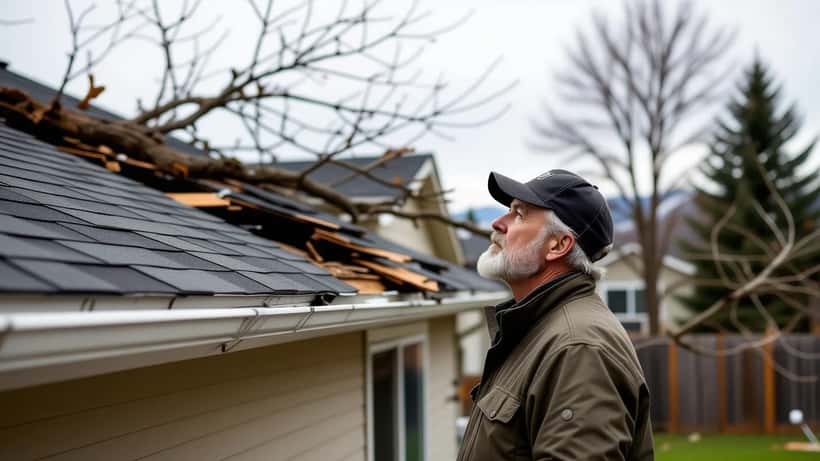
High winds hitting 85 mph swept through Montana and five other western states in mid-May 2026, prompting the National Weather Service to issue high wind warnings across Oregon, Washington, Idaho, Utah, Nevada, and Montana. Forecasters called the timing "very unusual," noting that gusts this strong are typically associated with November through January storm systems — not mid-spring. In Havre, trees toppled and multiple car ports were destroyed. A roof was partially torn off a building in Box Elder. Wind gusts near Big Sandy reached 85 mph.
For homeowners across the affected states, the aftermath raises an urgent question: how do you know whether your home is actually damaged — and when do you need a professional to find out?
Why High Wind Damage Is Often Hidden
Wind damage is deceptive. Unlike flooding or fire, evidence of structural harm isn't always visible from the street. A storm that strips a few shingles from one corner of your roof, or shifts a ridge cap by an inch, can allow water intrusion for months before a stain appears on your ceiling.
According to the National Weather Service, high wind warnings are issued when sustained winds of 40 mph or greater — or gusts of 58 mph or more — are expected to last at least one hour. At 85 mph, the force on structural elements is roughly four times greater than at 40 mph.
That force differential matters. A gust at 85 mph can lift and crack asphalt shingles, loosen or snap gutters from their fascia brackets, shift chimney caps away from the sealing compound, twist fence posts below the soil line while the above-ground portion looks intact, and load trees asymmetrically — weakening root anchoring even when no visible damage appears from the yard.
5 Home Checks After a High Wind Warning
1. The roof — from the ground first
Grab binoculars and walk the perimeter of your home. Look for lifted shingle edges, missing tab sections, exposed tar paper, or displaced ridge cap shingles. Dark streaks on the siding or granule accumulations in gutters can indicate shingle stress even without visible tearing. Do not walk on the roof yourself if gusts have only recently passed or if you notice any sagging. A licensed home improvement professional can assess safely with the right equipment.
2. Gutters and downspouts
Check whether gutters are pulling away from fascia boards — this is one of the most common results of wind loading on a home. Downspouts should be firmly attached at every connection point. Any gap between gutter and fascia creates a direct entry point for water behind your siding, which can lead to rot, mold, and structural damage over time.
3. Siding, trim, and exterior joints
Walk the exterior walls and look for siding panels that have buckled, cracked, or partially separated. Pay close attention to corners and window trim — these are the most wind-exposed points on most home exteriors. If you spot any caulk lines that appear freshly split, document them with photographs and have them re-sealed before the next rain event.
4. Trees and structural loading
Inspect trees within 30 feet of your home's foundation, roofline, and utility lines. After a high-wind event, a structurally compromised tree may appear perfectly upright while its root ball has partially lifted underground. An arborist or experienced home contractor can probe the root zone to assess stability — and help you avoid the far greater cost of emergency removal after a tree comes down on your structure.
5. Garage doors and fencing
Garage doors are large, lightweight panels that act like sails in strong winds. Inspect that all horizontal track alignment is intact and that the door opens and closes evenly without binding. Fencing is often the first casualty of high winds — check post anchoring at ground level and look for lateral lean or loose pickets that could become airborne in the next weather event.
When to Call a Home Improvement Contractor
If you find any of the following, don't delay calling in a professional:
- Exposed underlayment or bare wood on your roof
- Ceiling staining or bubbling interior paint that appeared after the storm
- A gutter section that has fully detached from the fascia
- Cracked or displaced chimney components
- Trees that lean toward the structure or show root disturbance
For cosmetic damage — a missing downspout bracket or minor siding scuff — a DIY repair may be appropriate. But for anything structural or anything connected to potential water intrusion, a licensed contractor's assessment is worth every dollar. A contractor can document the scope of damage for an insurance claim, apply temporary protective measures, and schedule permanent repairs before the next storm cycle arrives.
What About Homeowners Insurance?
High wind damage is typically covered under standard homeowners insurance policies as part of the windstorm or wind-and-hail peril — but coverage terms vary significantly. Some policies in high-risk states impose separate wind deductibles that apply only to wind events. Documenting damage immediately, with photographs and a written contractor assessment, is the most important step toward a successful claim.
For more on navigating weather-related home damage claims, see what the 2026 thunderstorm season means for homeowners insurance coverage.
Storm Chasers: Contractor Red Flags After High Wind Events
High wind warnings across multiple states reliably attract unlicensed contractors — so-called "storm chasers" — who flood affected areas in the days after a major weather event. Warning signs include door-to-door solicitation within 24 hours of a warning, demands for full payment upfront before any work begins, high-pressure tactics to sign contracts immediately, and refusal to provide a license number or written estimate.
Always verify contractor licensing through your state's licensing board and check references before signing any agreement. A licensed home improvement expert will provide a written scope of work, a detailed estimate, and proof of insurance before touching your property.
Act Before the Next Weather Cycle
The unusual timing of these May 2026 wind events reflects a broader pattern of off-season severe weather that homeowners across the western US need to factor into their planning. The next weather system can arrive before repairs from the last one are complete.
For a broader look at how this spring's severe weather patterns are affecting homes across the US, see the 2026 thunderstorm outbreak home damage guide.
If you experienced wind damage and aren't sure whether what you're seeing requires professional attention, a licensed home improvement contractor can walk your property and give you a clear picture of your repair options and timelines. A short consultation now can save thousands in structural or water damage costs in the months ahead.
