 Louis Reynolds
Earthquake Near Me: How Your Smartphone’s Emergency Alerts Work in 2026
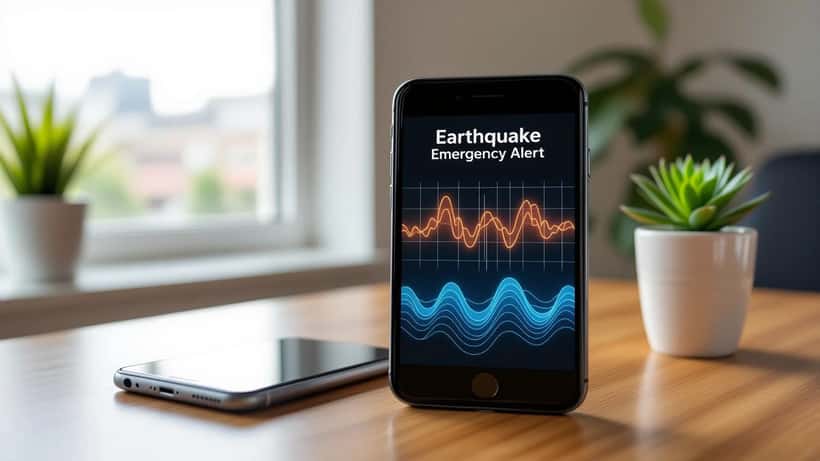
When the ground starts shaking, the first question millions of Americans ask is, “Was that an earthquake near me?” In 2026, the answer increasingly arrives before the tremor even ends, pushed straight to the smartphones in our pockets. Wireless Emergency Alerts (WEA), earthquake early-warning systems such as ShakeAlert, and built-in Android and iOS safety features have turned mobile devices into personal seismic command centers. For users, the experience can feel magical—or confusing when an alert arrives with no perceptible shake. Understanding how these systems work, what their limits are, and how to respond can turn a startling notification into life-saving seconds.
From Rumbling Ground to Buzzing Phone: The Technology Behind the Alert
Modern earthquake alerts begin with a network of seismometers managed by the U.S. Geological Survey and university partners. When sensors detect the faster-moving, less destructive P-waves of an earthquake, algorithms estimate the earthquake’s location, magnitude, and likely shaking intensity. If the predicted shaking in your area crosses a threshold, the warning is routed through FEMA’s Integrated Public Alert & Warning System and broadcast by wireless carriers to compatible handsets.
On Android, the feature is often labeled “Earthquake alerts” inside Settings > Safety & emergency. Google also crowdsources accelerometer data from participating phones to improve detection in regions without dense sensor networks. Apple integrated similar capabilities into iOS, allowing iPhones to receive WEA messages and, in supported regions, to display early-warning notifications with safety prompts.
The goal is not to predict earthquakes—science still cannot do that—but to detect them quickly enough to warn people farther from the epicenter before the stronger S-waves arrive. In ideal conditions, that can provide a few seconds to tens of seconds of notice, enough time to drop, cover, and hold on.
Why “Earthquake Near Me” Searches Spike After Every Tremor
Every time a noticeable quake hits, search engines see a sharp spike in “earthquake near me” queries. The behavior reflects both curiosity and anxiety. People want magnitude, depth, aftershock forecasts, and reassurance. In 2026, platforms have responded by surfacing authoritative cards from the USGS and local emergency management agencies almost instantly.
But search results can also amplify fear. A small, distant event can trigger a flood of local news alerts, social posts, and app notifications that make the quake feel more dangerous than it is. Experts recommend checking a single authoritative source rather than refreshing multiple feeds, which can increase stress without improving safety. If anxiety persists after a quake, professional mental-health support can help; some users find it useful to review coping strategies after a seismic event.
What to Do the Moment Your Phone Alerts You
An alert is only useful if you know how to react. The recommended action is the same worldwide: drop to the ground, take cover under sturdy furniture, and hold on until the shaking stops. If you are in bed, stay there and protect your head with a pillow. If you are driving, pull over safely and stay inside the vehicle until shaking ends.
Do not run outside during strong shaking. Falling glass, masonry, and overhead wires cause many earthquake injuries. Keep a pair of sturdy shoes and a flashlight near your bed so you can move safely through debris afterward. Review your phone’s emergency contacts, medical ID, and location-sharing settings ahead of time; these small steps make a big difference in the chaotic minutes after a quake.
Smartphones as Preparedness Hubs
Beyond early warning, phones are now central to earthquake preparedness. Apps can store insurance documents, home inventories, emergency contact lists, and evacuation plans offline. Maps can route you around road closures if cell networks remain active. Portable batteries and solar chargers become essential because power outages often follow seismic events.
On the home front, preparedness extends to structural safety. Securing water heaters, heavy furniture, and televisions reduces injury risk. After a significant event, inspecting foundations, gas lines, and chimneys for damage is wise, though major repairs should be assessed by qualified professionals. Preparedness is not about panic; it is about stacking small advantages so that when the ground moves, you already know what to do.
Expert Help When You Need It
Even with excellent technology, earthquakes raise complex human questions. Homeowners may wonder whether their insurance covers earthquake damage, which typically requires a separate rider or policy in most U.S. states. Renters may ask about landlord obligations after a unit is damaged. Businesses may need guidance on continuity planning and regulatory reporting. Mental-health professionals can help children and adults process the fear that often follows a tremor.
Expert Zoom connects people with specialists across these fields. Whether you need a licensed contractor to evaluate structural damage, a veterinarian to check on a pet injured during evacuation, or an attorney to review an insurance dispute, timely expert advice can prevent small problems from becoming long-term disruptions.
Looking Ahead: Alerts Will Get Smarter, but Behavior Still Matters
In 2026, machine-learning models are beginning to reduce false alerts and improve magnitude estimates by combining sensor data with phone accelerometers. Researchers are also exploring ways to deliver more granular warnings—telling users not just that shaking is expected, but how intense it is likely to be at their exact address.
Still, no algorithm can replace human readiness. The best protection is a combination of reliable technology, clear response habits, and access to expert guidance when the shaking stops. The next time your phone buzzes with an earthquake alert, you will know it is not just a notification—it is a prompt to act.
