 Elizabeth Chen
This article is for informational purposes only and does not constitute medical advice. Consult a licensed healthcare professional for any health concerns.
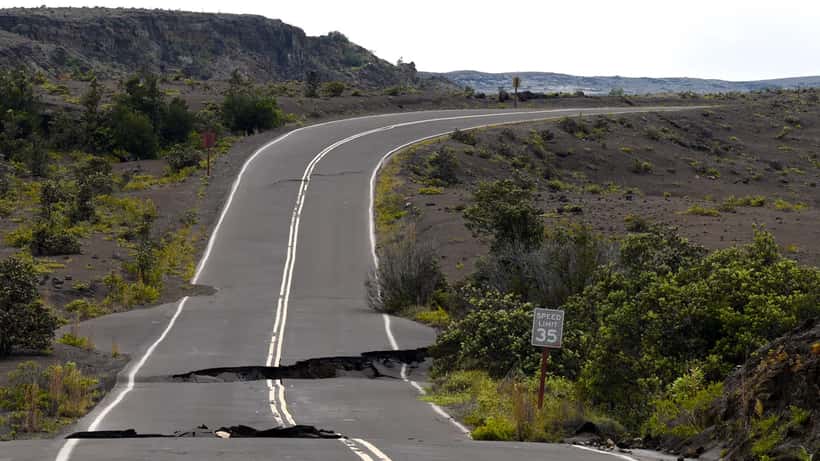
Hawaii has been shaking all week. The most powerful jolt yet — a 4.9-magnitude earthquake — struck near Pāpa'ikou on the Big Island at 8:37 a.m. local time on June 10, 2026, according to the U.S. Geological Survey's Hawaiian Volcano Observatory. The tremor followed a 4.6-magnitude earthquake near Kailua-Kona on June 2 and a 4.1-magnitude event off the southeast coast on June 7. No tsunamis were generated — the Pacific Tsunami Warning Center confirmed this for all three events. But the series of quakes is leaving residents shaken in ways that go well beyond cracked plaster.
What a 4.9-Magnitude Earthquake Can Do to Your Body
Earthquakes in the 4.0–5.0 range are classified as "moderate" by the USGS. They generate enough ground motion to topple unsecured furniture, shatter glass, and displace heavy objects from shelves. That translates directly to injury risk — even when structures remain standing.
The most common injuries sustained during moderate earthquakes include lacerations from broken glass, bruising and fractures from falling objects, and sprains or muscle strains from sudden loss of balance. In Hawaii, where many residential structures in rural Big Island areas are older wood-frame buildings, a 4.9-magnitude tremor at 37 kilometers depth can transmit surface energy across a broad area.
Even if your home looks undamaged after the June 10 earthquake, the hazards don't disappear immediately. Shifted furniture, dislodged ceiling panels, cracked chimneys, and unstable shelving remain dangerous for hours after the initial tremor — especially during any aftershocks.
If you sustained any physical injury during the quake — including what seems like a minor bump to the head, a hard fall, or a cut that bled — a health professional should assess you as soon as possible. Traumatic brain injuries and internal bleeding can present with delayed symptoms, sometimes hours after the original event.
Volcanic Dust and Respiratory Risk: The Silent Hazard
Hawaii's seismic events carry an added health dimension unique to the islands: volcanic particulate matter. The Big Island sits atop the most active volcanic system in the United States. Seismic activity near Kīlauea or Mauna Loa can disturb deposits of volcanic ash, sulfur dioxide residue, and laze (lava haze) — a mixture of hydrochloric acid and steam particles — that have settled over time.
A moderate earthquake can dislodge these fine particles and reintroduce them into the air both outdoors and, through ventilation gaps, indoors. People with asthma, COPD, chronic bronchitis, or cardiovascular conditions face elevated risk when volcanic particulate concentration rises.
After any earthquake in Hawaii, public health officials typically recommend staying indoors initially, keeping windows and doors closed, and avoiding activities that disturb settled ash — including sweeping, vacuuming, or using fans near volcanic residue. If you experienced sudden coughing, shortness of breath, or chest tightness following the June 10 earthquake, do not dismiss these as minor irritation. A physician can assess whether respiratory symptoms are acute reactions requiring treatment or monitoring.
Earthquake Stress: A Medically Recognized Risk
Living through repeated seismic events — as Big Island residents experienced three times in eight days this month — generates cumulative physiological stress. The adrenaline spike triggered by ground shaking elevates heart rate and blood pressure. For people with underlying cardiovascular conditions, that acute stress response is not trivial.
Research following major earthquake sequences has consistently documented elevated rates of acute cardiac events in the days and weeks after significant tremors. The mechanism is well established: sudden fright activates the sympathetic nervous system, triggering a stress response that increases cardiac workload. Even moderate earthquakes can provoke this response in susceptible individuals.
Beyond cardiovascular effects, repeated seismic events generate anxiety, hypervigilance, and sleep disruption — the early hallmarks of acute stress disorder. For many Hawaii residents, the June 2026 earthquake sequence is overlapping with a broader context of climate anxiety and natural disaster fatigue, which can amplify psychological responses.
If you are experiencing persistent heart palpitations, chest pressure, significant sleep disruption, or intrusive anxiety after the Hawaii earthquakes, these are legitimate medical symptoms — not just nerves. Consulting a physician or mental health professional is the right action, not an overreaction.
When to Seek Medical Attention After the Hawaii Earthquakes
Use this framework to decide when to act:
Seek emergency care immediately if you have:
- Any loss of consciousness, even briefly
- Severe or worsening headache, confusion, or disorientation
- Difficulty breathing or sustained chest pain
- Severe bleeding or suspected fractures
- Numbness, weakness, or vision changes
Make a medical appointment within 24–48 hours if you have:
- A blow or bump to the head, even without immediate symptoms
- Persistent joint or muscle pain from bracing or falling
- Respiratory symptoms that began after the earthquake
- Ongoing heart palpitations or elevated anxiety beyond 48 hours
- Disrupted sleep that does not improve after the first night
Monitor at home if you have:
- Minor bruising or soreness that is gradually improving
- Mild general anxiety that is diminishing over time
The key principle in post-earthquake health: do not minimize symptoms. Concussions, internal bruising, and traumatic stress responses all have delayed presentations. When in doubt, consult a professional.
Earthquake Preparedness for Your Health in Hawaii
If you live on the Big Island or in other Hawaii counties with seismic activity, a basic health preparedness plan matters. This means keeping a 72-hour supply of any prescription medications accessible and not just stored in an area likely to be damaged by falling items. It means having a simple first aid kit in an accessible location. And it means knowing your baseline: if you have a cardiac or respiratory condition, tell your doctor you live in a seismically active area and ask specifically what warning signs require immediate action after a tremor.
For residents with elderly family members or children, post-earthquake health monitoring is particularly important. Both groups are more vulnerable to falls, respiratory irritation, and acute stress responses.
How an ExpertZoom Health Specialist Can Help
After a natural disaster, access to a trusted health professional quickly matters. ExpertZoom connects Hawaii residents with licensed health professionals — general practitioners, pulmonologists, cardiologists, neurologists, and mental health specialists — available for remote consultations.
Whether you need a rapid assessment of a potential head injury from the June 10 earthquake, guidance on managing ongoing seismic anxiety, or advice on protecting a family member with a chronic respiratory condition from volcanic particulates, an ExpertZoom health expert can help you make the right decision without waiting weeks for an in-person appointment.
For real-time earthquake data and volcanic activity updates, the U.S. Geological Survey Hawaiian Volcano Observatory provides current information on all seismic events across the Hawaiian Islands.
If earthquake stress is affecting your mental health or sleep, our specialists in earthquake anxiety and coping strategies can provide evidence-based support tailored to natural disaster contexts.
