 Jessica Johnson
Pak vs Ban 2026 Is Packing US Cricket Clubs: 3 Legal Risks Every Organizer Must Know
Why Pakistan vs. Bangladesh Is Filling US Cricket Grounds Right Now
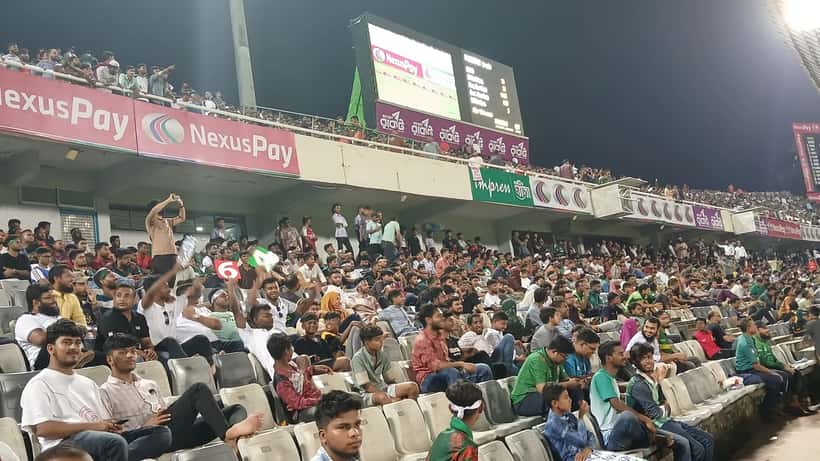
Pakistan and Bangladesh are squaring off in a pivotal two-match ICC World Test Championship series — the first test running May 8–12 at Shere Bangla National Stadium in Mirpur and the second May 16–20 in Sylhet. For the estimated four million South Asian Americans who track cricket closely, this rivalry carries real weight: Bangladesh whitewashed Pakistan 2-0 in their last series in 2024, and the rematch is generating intense community energy from Queens, New York to suburban Houston.
Across the US, cricket clubs are organizing viewing parties, scheduling exhibition matches, and opening their grounds to diaspora fans who want to share the moment. That is good for community building. It is also good for lawyers.
As US cricket clubs grow from informal hobby gatherings into formal organizations collecting membership fees and running youth programs, the legal exposure grows with them. Three risks, in particular, catch club organizers off guard every season.
Risk 1: Player Injury Liability
Cricket is a physically demanding sport involving a hard ball traveling at speeds above 80 mph, metal stumps, and fielding in close quarters. Courts across the US consistently hold that recreational sports organizers owe participants a duty of reasonable care.
A club or event organizer can be found liable for injuries when the playing environment was unreasonably unsafe — and the list of what qualifies is longer than most organizers expect:
- Poorly maintained pitch surfaces — uneven ground, hidden debris, or waterlogged conditions that contributed to a fall
- No protective equipment requirements — allowing fast bowling without mandating helmets creates a documented negligence risk in several states
- Inadequate first aid on-site — the absence of basic medical response protocols can turn an ordinary claim into an aggravated one
A signed liability waiver is the obvious starting point, but waivers do not protect against gross negligence, and courts in California, New York, and Virginia have voided boilerplate templates that failed to meet state-specific language requirements. A sports lawyer can review your waiver and tell you whether it would actually hold up in your jurisdiction — or whether you need to start over.
Risk 2: Venue and Event Liability
Many US cricket clubs play on municipal fields under permit agreements. When the Pak vs. Ban excitement spills over into a fundraiser at a local restaurant or a ticketed watch party at a private venue, organizers take on additional obligations they often have not thought through.
Dram shop liability is the most overlooked risk. If your cricket club's viewing event serves alcohol and a guest later causes an accident, the club may bear legal responsibility under the dram shop laws that exist in 43 states, even if the club is not a licensed establishment.
Public event permits are a separate issue. Gatherings expecting 100 or more attendees typically require city permits, certificate-of-insurance filings, and in some municipalities, off-duty police presence. Skipping this paperwork exposes the organizer — often an individual club president acting in good faith — to fines and, if something goes wrong, personal liability that standard homeowner's insurance will not cover.
For a broader breakdown of what US cricket fans and community clubs should know about sports injury rights, this guide to cricket and US sports medicine offers relevant context.
Risk 3: Worker Classification
As Pakistani and Bangladeshi diaspora cricket clubs in the US formalize — paying umpires, hiring coaches, employing groundskeepers — misclassifying workers becomes a genuine legal vulnerability.
The IRS and the Department of Labor apply a multi-factor test to determine whether a worker is an employee or an independent contractor. If your club pays a regular weekly fee to a coach, that person may legally qualify as an employee regardless of what your agreement says. The consequences of getting this wrong include:
- Back payroll taxes and penalties if the IRS reclassifies the arrangement
- Workers' compensation liability if the umpire or coach is injured during a match and the club had no coverage
- Unpaid wage claims under the Fair Labor Standards Act for minimum wage and overtime violations
A single DOL investigation costs far more to resolve than a one-time consultation with a labor attorney before the season begins.
The Checklist Every US Cricket Club Should Review This Season
The surge in Pak vs. Ban interest is a real business opportunity for community clubs. Youth coaching, sponsorships, and membership fees are all growing revenue streams. But growth brings exposure, and the US legal system rarely gives sports clubs the benefit of the doubt.
Before your next match day or viewing event, work through this practical checklist:
- Have a sports attorney review your liability waiver — outdated templates often fail in court
- Confirm your general liability insurance policy explicitly covers sports activities
- Classify all coaches, umpires, and paid staff before signing recurring payment agreements
- Obtain the correct city or county permits for any public gathering above 50 people
- Document pitch and equipment maintenance in writing — your records are your defense
According to USA Cricket, the official governing body for the sport in the United States, recreational cricket participation has expanded significantly in recent years, with organized leagues operating in more than 35 states. That scale means more clubs, more events, and more potential claims.
When to Consult a Lawyer
If your club is collecting membership fees, running a youth program, organizing an event with outside guests, or paying any staff on a regular basis, it is time to speak with a sports or entertainment attorney.
An attorney can help you:
- Structure the club as an LLC or 501(c)(3) to limit personal liability
- Draft enforceable waivers and event contracts specific to your state
- Navigate city permits and event insurance requirements
- Advise on worker classification before you commit to any payment arrangement
The Pak vs. Ban series runs through May 20. The community energy it generates is an asset for US cricket clubs. The legal risks that come with that growth do not disappear when the series ends. ExpertZoom connects you with qualified sports and entertainment lawyers across the US — a consultation takes less than a day to arrange.
Disclaimer: This article provides general legal information and does not constitute legal advice. Consult a qualified attorney for guidance specific to your situation.
