 Charles Jackson
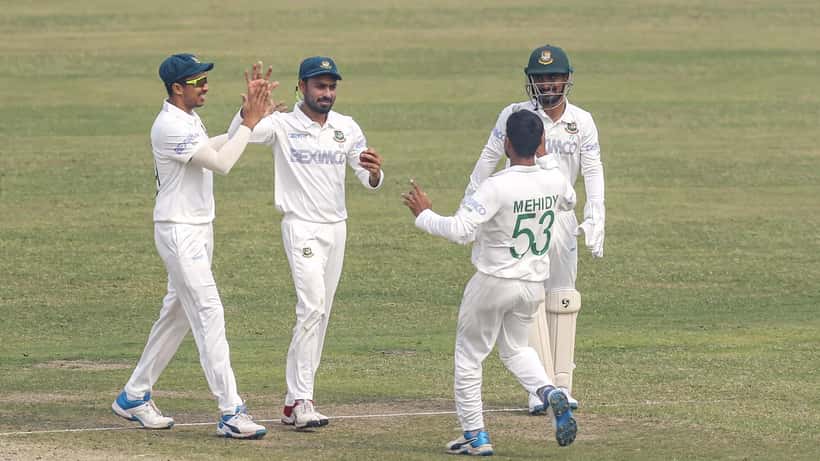
Pakistan needs 303 more runs to pull off a historic chase in the second Test against Bangladesh at Sylhet, and Day 4 results on May 19, 2026, have millions of South Asian Americans glued to their phones during work hours. With Bangladesh having won the first Test by 104 runs and setting a daunting 437-run target, the series has gripped the Pakistani and Bangladeshi diaspora across the United States. That level of passion is legitimate — and it raises a question few employees stop to consider: what are your legal rights when cricket, work schedules, and cultural identity collide?
The Real Stakes Beyond the Scoreboard
An estimated 5.4 million South Asians live in the United States, according to data from the U.S. Census Bureau's American Community Survey. Millions of these Americans trace their heritage to Pakistan, Bangladesh, India, and Sri Lanka — countries where cricket is not just a sport but a generational bond, a cultural language that connects families across continents and time zones.
When a major series like the Pakistan-Bangladesh Tests in Sylhet is live, the 10-hour time difference between Bangladesh (UTC+6) and New York means a 10:00 a.m. local start time corresponds to midnight on the US East Coast. West Coast viewers face even later hours. This forces fans to make real choices: watch during work, call in tired, or miss the match entirely.
Can Your Employer Discipline You for Watching Cricket at Work?
The short answer is: it depends on your workplace policy — but less than you might think.
U.S. employment is generally "at-will," meaning employers can discipline employees for personal device use during working hours if it violates a clear written policy. If your company's acceptable use policy prohibits streaming video on company networks or using your phone for non-work activities, an employer has legal grounds to issue a warning or termination.
However, there are important protections employees often overlook:
Consistent enforcement matters. If your employer allows employees to check sports scores or stream content during breaks but singles out South Asian employees for watching cricket, that inconsistency can form the basis of a national origin discrimination claim under Title VII of the Civil Rights Act of 1964.
Break and off-clock time is yours. Under the Fair Labor Standards Act, employees are entitled to use their break periods as they choose. An employer cannot dictate what you watch on your personal device during an unpaid lunch break. Streaming the Sylhet Test during a 30-minute lunch break is legally protected activity.
Remote workers face different rules. If you work from home, the threshold for "interfering with work performance" is higher. Watching a match on a second screen during working hours may be permissible if you are meeting your deliverables — but employers can still require undivided attention during scheduled meetings or deadline periods.
Requesting Time Off: What the Law Says
Several South Asian employees have begun requesting PTO, adjusted start times, or personal days during major cricket series. These requests are more legally protected than many employees realize.
Under the Family and Medical Leave Act, cricket is not a covered reason for leave. But most employers offer paid time off, personal days, or flexible scheduling that employees can use for any reason. You are not required to explain that you want time off to watch cricket — only that you are requesting leave under the company's PTO policy.
Where it gets legally complicated:
Religious and cultural accommodation requests. Cricket in South Asian culture often intersects with religious identity. If an employee frames a request as tied to a religious observance — for example, a match associated with Eid celebrations or national commemorations — employers are legally required under Title VII to provide a "reasonable accommodation" unless doing so causes undue hardship. Consulting an employment lawyer before making this type of formal request is advisable, since the framing matters.
Retaliation protection. If you have made any protected complaint at work — about pay, workplace harassment, or discrimination — and your PTO request is suddenly denied while colleagues have theirs approved, that sequence of events can support a retaliation claim. Document denial decisions in writing.
National Origin Discrimination: The Often-Missed Protection
Title VII prohibits employment discrimination based on national origin. Courts have interpreted this broadly to include cultural practices, language, and customs associated with a particular country of origin.
If a supervisor makes comments suggesting that cricket is a "distraction," that South Asian employees are "not focused," or that sports like the PAK-BAN series are less legitimate than the Super Bowl or World Series, those comments can constitute evidence of discriminatory animus — particularly if they are followed by adverse employment actions like denial of raises, exclusion from projects, or termination.
South Asian employees in the U.S. face demonstrably higher rates of workplace discrimination than many surveys capture. An employment attorney can help you assess whether a pattern of treatment constitutes actionable discrimination or simply an unpleasant but lawful workplace dynamic.
3 Steps to Protect Yourself This Cricket Season
Review your employee handbook. Find your employer's policies on personal device use, break periods, PTO requests, and flexible scheduling. Knowing the written rules protects you from being blindsided.
Document everything. If a PTO request is denied, ask for the denial in writing. If a supervisor makes a comment about cricket or South Asian cultural events, note the date, the exact words, and any witnesses.
Talk to an employment lawyer. If you believe you have been treated differently from similarly situated colleagues, an employment attorney can evaluate your situation in a free or low-cost consultation.
The Sylhet Test is still live. Pakistan's batters are fighting. Whatever the result, your right to celebrate your cultural heritage in the workplace — and your protections against being penalized for it — are as real as any innings partnership.
This article is for informational purposes only and does not constitute legal advice. Consult a licensed employment attorney for guidance specific to your situation.
