 Laura Clark
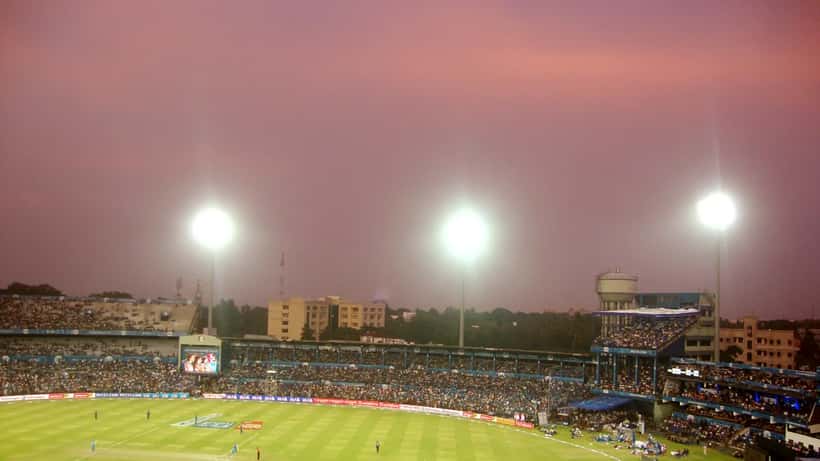
The Indian Premier League (IPL) 2026 season is in full swing, with 10 franchises competing across 74 matches through May 31 — and for the first time, millions of American cricket fans are watching live. IPL viewership in the United States has surged as the sport gains mainstream traction, and with it, amateur participation is climbing fast. That means a growing number of US weekend warriors are picking up cricket bats, running on makeshift pitches in parks and suburban fields, and getting hurt in ways most American sports medicine doctors have rarely treated before.
Cricket Is Now America's Fastest-Growing Sport
The numbers are striking. Major League Cricket (MLC) launched its third season in 2026, and USA Cricket reports over 500,000 registered players nationwide — a figure that has doubled in four years. IPL's popularity has directly fueled this growth: fans who watch T20 cricket want to play T20 cricket.
Cricket is a sport that demands explosive athleticism from people who often play only on weekends or in informal community leagues. Unlike baseball, it involves sustained bowling (pitching) with a straight elbow, fast running between wickets, and sudden lateral movements while fielding — a combination that creates specific injury patterns that US physicians are just beginning to encounter regularly.
The Most Common Cricket Injuries in Amateur Players
According to research published in the British Journal of Sports Medicine, cricket produces a distinct injury profile that differs substantially from baseball or softball despite some superficial similarities.
Shoulder injuries top the list for bowlers. The repetitive overhead motion of bowling places significant stress on the rotator cuff, acromioclavicular joint, and bicep tendon. Side-arm fielding throws — a motion US players often perform without proper warm-up — can produce acute rotator cuff tears.
Lower back pain and stress fractures are the most serious concern for young fast bowlers. The mixed action of cricket bowling (combined rotation and lateral flexion) creates shear forces on the lumbar spine not commonly seen in baseball. Young players under 25 are particularly vulnerable to pars interarticularis stress fractures.
Knee injuries are common for batters and fielders. Running between wickets involves repeated explosive starts and stops. Diving for catches places extreme stress on knee ligaments, and ACL tears — while less common than in soccer or basketball — are a real risk.
Finger fractures are the most acute risk for any position. A cricket ball is hard (five-and-a-half ounces, similar to a baseball) and travels at speeds exceeding 80 mph from professional bowlers. Amateur community cricket is somewhat slower, but direct ball contact to an ungloved finger can produce serious fractures.
When IPL Fever Becomes an ER Visit
The IPL effect on US amateur cricket follows a predictable pattern: major tournament begins, viewership spikes, informal games increase, injuries follow within days of intense play. This is precisely the "weekend warrior syndrome" that sports medicine specialists study — the phenomenon where sedentary or moderately active individuals suddenly attempt high-intensity athletic activity inspired by watching elite professionals.
A 2025 analysis in the American Journal of Sports Medicine found that 68% of amateur cricket injuries occurred in players who had not played in the previous two weeks — meaning rust, inadequate conditioning, and sudden overexertion are the primary risk factors.
Key warning signs that require immediate medical evaluation include:
- Sudden severe shoulder pain during or after bowling — could indicate a rotator cuff tear rather than simple soreness
- Lower back pain that radiates into the leg — nerve involvement requires prompt imaging
- Swelling, deformity, or loss of movement in a finger — fractures must be properly set within hours to prevent permanent limitation
- Knee "giving way" after a dive or pivot — ACL or meniscus damage needs MRI evaluation
- Persistent wrist pain after batting — stress fractures in the scaphoid are notoriously misdiagnosed as sprains
What to Tell Your Doctor If You're a Cricket Player
Most American primary care physicians and even many sports medicine specialists have limited cricket-specific training. The sport simply wasn't common enough in the US until recently. That means patients benefit from being specific about the mechanics of how their injury occurred.
Tell your doctor:
- That you were bowling (overhead repetitive motion), batting (impact and rotation), or fielding (diving, sudden throws)
- Which arm or limb was dominant in the movement
- Whether the injury was acute (sudden pain) or has been gradually worsening over multiple playing sessions
Imaging protocols matter. A shoulder MRI after cricket bowling should specifically look at posterior impingement and SLAP tears, which are common in overhead-throwing athletes but distinct from the anterior pathology more common in baseball pitchers. Request a sports medicine specialist rather than a general orthopedist if possible — they will be more familiar with cricket's biomechanical demands.
The Growing Case for Cricket-Specific Sports Medicine
The US Centers for Disease Control and Prevention (CDC) tracks sports injuries broadly, but cricket-specific data is only now emerging as the sport expands. The surge in IPL viewership and MLC participation means sports medicine practices — particularly in cities with large South Asian diaspora communities like New York, Houston, Dallas, and Chicago — are increasingly seeing cricket injuries in clinic.
For US players inspired by IPL 2026 to get on the pitch this spring, the smartest play is preparation: warm up thoroughly, ease back into bowling after any layoff, and don't ignore pain signals. The weekend after a big IPL match is not the moment to bowl 20 consecutive overs for the first time in months.
A sports medicine physician or orthopedic specialist can provide a pre-season assessment if you're returning to cricket after a long break. Catching imbalances, mobility restrictions, or prior injury scar tissue early prevents the acute injuries that sideline players for weeks or months.
Disclaimer: This article is for general informational purposes only and does not constitute medical advice. Consult a qualified healthcare provider for any injury evaluation or treatment.
