 Carl Graham
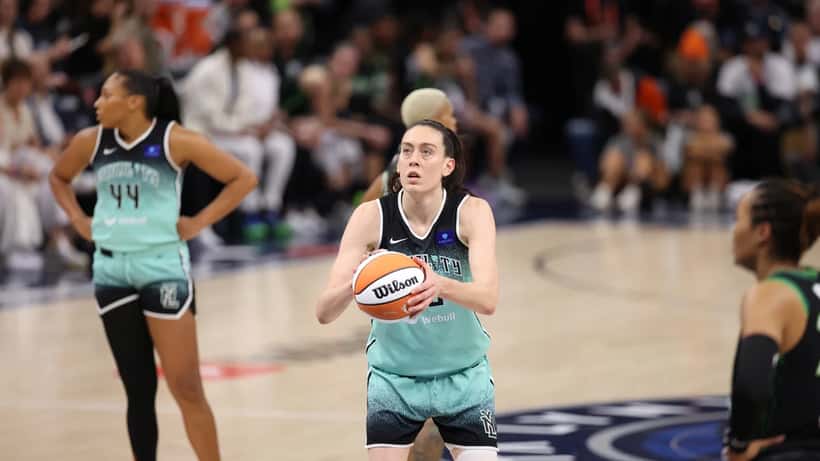
Breanna Stewart did not wait for tip-off to make news on WNBA opening day 2026. Hours before the New York Liberty played their first game of the season, Stewart and Puma unveiled the Stewie 5 Turbo — the latest installment in her signature shoe line — signaling that her business portfolio is expanding as fast as her on-court reputation. Stewart had already re-signed with the Liberty on a multi-year deal, but the Puma partnership is a separate contract entirely, and the terms of that deal reveal as much about modern athlete endorsements as any playbook.
For the vast majority of athletes who will never play in a marquee professional league, the path to a signature shoe or endorsement deal looks nothing like Stewart's. But the clauses that govern those contracts — the ones that determine who controls an athlete's likeness, what happens when performance declines, and who owns the brand after the partnership ends — are identical whether the contract is worth $10 million or $50,000. And most athletes, college players, and fitness influencers sign them without legal review.
What a Signature Shoe Contract Actually Is
A signature shoe deal is a specific type of endorsement agreement in which a brand — Nike, Puma, Adidas, Under Armour, New Balance — licenses a named athlete's identity to develop, market, and sell a product bearing that athlete's name, image, or likeness.
Unlike a general endorsement where a company pays to associate its brand with an athlete (think a car commercial or a protein powder spot), a signature shoe deal typically includes:
- Royalties: A per-unit payment on every shoe sold under the athlete's signature line, often in the range of 5 to 15 percent of the wholesale price
- Advance payments: An upfront sum paid against future royalty earnings
- Performance incentives: Bonuses tied to championship wins, All-Star selections, or media appearances
- Exclusivity provisions: A prohibition on wearing or promoting any competing brand's footwear or apparel during the contract term
Under the Federal Trade Commission's endorsement guidelines, athletes and influencers who receive compensation to promote products are required to disclose that relationship — and the brand is responsible for ensuring those disclosures are made. Violations can result in FTC action against both the brand and the endorser. An attorney familiar with FTC compliance can review endorsement agreements for disclosure obligations before any content goes live.
The 4 Clauses That Define What Happens After You Sign
Entertainment and sports attorneys flag these four provisions as the most commonly negotiated — and most commonly overlooked — in athlete endorsement contracts:
1. Morals and conduct clauses These provisions allow the brand to terminate the contract, suspend royalty payments, or demand repayment of advances if the athlete engages in behavior the company deems damaging to its image. The definitions are frequently broad and subjective. An arrest, a controversial social media post, or even a public disagreement with a coach can trigger a morals clause. Negotiating a specific, narrow definition of what constitutes a triggering event — and what notice and cure rights the athlete retains — is one of the most important pre-signing conversations to have with a lawyer.
2. Performance and playing time requirements Many endorsement contracts include provisions that tie compensation to active professional status. If an injury causes an athlete to miss a threshold number of games, some contracts allow the brand to reduce royalties, suspend payments, or renegotiate terms. Stewart's own career history illustrates the stakes: she tore her Achilles tendon in 2019 and missed an entire WNBA season. How an endorsement contract handles injury-related absence can determine whether that recovery period is a financial setback as well as a physical one.
3. Likeness and AI use rights The post-SAG-AFTRA era has put digital likeness rights at the center of every creative contract negotiation — and athlete endorsements are no exception. Brands now routinely seek the right to use AI-generated versions of an athlete's likeness in digital marketing, video game integration, and augmented reality experiences. Without explicit limitations in the contract, a brand may be entitled to use an athlete's name, face, and voice in AI-generated content without additional compensation after the original contract is signed. As discussed in what young WNBA athletes should know about contract law before signing, likeness protections have become a critical negotiation point at every level of professional sports.
4. Post-termination and signature line ownership What happens to the "Stewie" brand if Stewart and Puma part ways? That depends entirely on the contract. In some arrangements, the signature line reverts entirely to the brand; in others, the athlete retains ownership of the name and design elements. Jordan Brand is the most famous example of an athlete who negotiated ownership in the signature product — but that outcome required specific contractual terms that most initial endorsement agreements do not include by default. A lawyer can assess whether ownership, co-ownership, or reversion rights are negotiable in a given deal.
When College Athletes and Amateur Competitors Need Legal Advice
The NIL (Name, Image, and Likeness) era has made athlete endorsement contracts available at the college level for the first time in American sports history. College athletes are now signing deals — with shoe brands, local businesses, supplement companies, and social media platforms — without the agent representation or legal resources that professional athletes typically have available.
The same clauses that govern Stewart's Puma contract apply to a Division I basketball player signing a sneaker deal worth $12,000. The same FTC disclosure obligations apply to a college swimmer promoting a protein powder on Instagram. And the same post-termination risks apply to any athlete whose likeness appears in a brand's digital marketing campaigns.
ExpertZoom connects athletes, coaches, and creative professionals with licensed entertainment and sports attorneys for contract review consultations. Whether you are signing your first endorsement deal or renegotiating an existing agreement, legal review before signing costs far less than resolving a dispute after the contract is in place.
This article is for informational purposes only and does not constitute legal advice. Endorsement contract law varies by jurisdiction and deal structure. Consult a licensed attorney for advice specific to your situation.
