 Davis Caesar
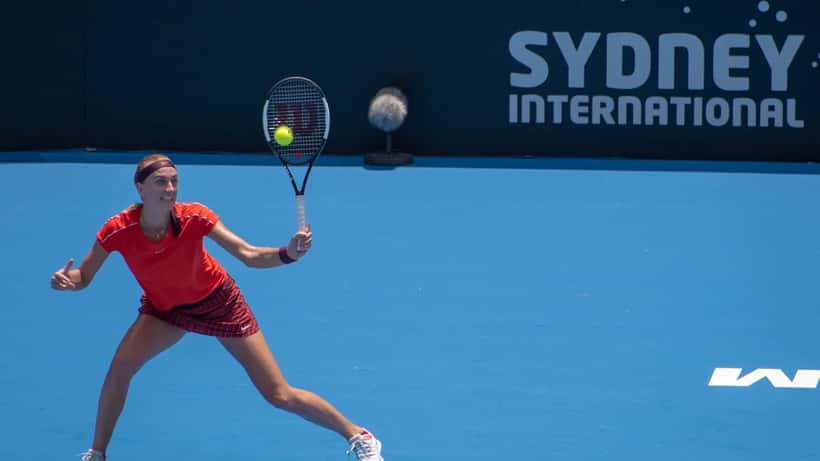
Veronika Erjavec had a remarkable week. The Slovenian professional tennis player, ranked 96th on the WTA Tour as of May 2026, claimed back-to-back titles at WTA 125K tournaments in China — winning at Changsha, then following it up the very next week with victory at the Huzhou Open. Her career-high ranking of 91, achieved in March 2026, makes her the top-ranked Slovenian player in professional tennis history.
She is 26 years old, largely unknown outside tennis circles, and suddenly at a critical inflection point: the moment when an emerging player's career becomes commercially valuable — and legally complex.
What "Breaking Through" Actually Means in Professional Tennis
The WTA 125K circuit — sometimes called WTA Challenger — sits one level below the main WTA Tour. Wins here produce ranking points that push players toward the top 100, where the economics of professional tennis change significantly. Prize money increases substantially, sponsorship inquiries arrive, and so does the paperwork.
For Erjavec, consecutive WTA 125K titles in the same month represent a breakout moment that most professional players spend years trying to reach. But what happens next — how she handles contracts, image rights, and financial planning in the next 12 months — often determines whether a breakthrough becomes a career or a footnote.
The Contract Landscape for Emerging Tennis Players
Immediately after a player cracks the top 100 or earns visibility through a tournament run, the commercial interest follows quickly. Racket manufacturers, sportswear brands, and fitness companies approach players directly or through agents. This is not a moment to act quickly. It is a moment to get legal advice.
Equipment sponsorship contracts typically include clauses requiring the player to use only the sponsor's product in all competitive play, social media posts, and public appearances — sometimes including practice sessions. Breach-of-contract provisions can be severe. A player who appears in a photo using a competitor's racket, even inadvertently, may face financial penalties or early contract termination.
Endorsement agreements involve the licensing of a player's name, image, and likeness. The scope of these licenses matters enormously: does the contract grant the sponsor exclusive use of those rights? For which territories? For how long? Does the player receive royalties if products featuring her likeness are sold in countries not originally specified? These details, buried in standard boilerplate, represent real money.
Apparel and footwear sponsorships are often the most financially significant for WTA 125K-level players, with contracts providing annual fees plus clothing allotments and performance bonuses. They commonly include morality clauses — provisions allowing the sponsor to terminate the relationship if the player's conduct brings "disrepute" to the brand. The breadth of these clauses is negotiable and should be reviewed by an attorney.
Prize Money: Who Gets What
When Veronika Erjavec won the Huzhou Open, she received prize money consistent with WTA 125K standards. That money is subject to a complex distribution structure that many players don't fully understand before signing with an agent.
Agent commissions typically range from 10 to 20 percent of gross prize money and endorsement income. Contracts with agents are long-term agreements — often three to five years — and include exclusivity provisions. Breaking an agent agreement early can result in the agent claiming commissions on deals negotiated after the split, if those deals were initiated during the representation period.
Tax exposure is the issue that catches many young professional athletes entirely off guard. Prize money won in China, the United States, or other countries creates tax obligations in those countries — independent of the player's home country obligations. Slovenia is a European Union member state, and Erjavec likely has Slovenian tax residency. But prize money won in a WTA event in China may be subject to Chinese withholding tax, in addition to her Slovenian obligations, depending on the tax treaty between the two countries.
Without proper guidance from a tax advisor familiar with international athletic income, players regularly pay taxes twice on the same income — or face penalties for failing to file in countries where tournament winnings were earned.
Image Rights and Social Media
Erjavec's social media presence became commercially significant the week she won at Huzhou. Every post featuring a product — even a casual photo of her breakfast — may constitute an endorsement under the FTC's Endorsement Guides if she has a material connection to that brand. Failure to disclose paid partnerships can result in FTC enforcement action.
The right of publicity — a player's legal right to control the commercial use of her name, likeness, and image — is governed differently in each jurisdiction. In the United States, some states have robust publicity rights laws; others offer minimal protection. For a player competing globally, protecting these rights requires legal structuring before the big sponsors arrive, not after.
What Every Emerging Athlete Should Do Now
Veronika Erjavec's situation is a useful mirror for any professional or semi-professional athlete, performer, or creator approaching commercial visibility. The legal and financial decisions made in the first months after a breakthrough typically echo for the length of the career.
Engaging a sports attorney before signing any representation agreement — not after — allows the athlete to negotiate terms rather than accept standard industry boilerplate. Understanding international tax obligations before the first major prize payment arrives prevents costly retroactive corrections. Registering image rights in key markets (US, EU, China) provides enforceable protection when sponsors inevitably appear.
The talent required to win back-to-back WTA 125K titles is extraordinary. The business acumen required to build a career around that talent is learnable — and available through the right professional guidance.
If you're a professional athlete, emerging creator, or entertainer navigating contracts and commercial visibility for the first time, consulting a sports and entertainment lawyer is the most valuable investment you can make at exactly this stage.
