 Jessica Johnson
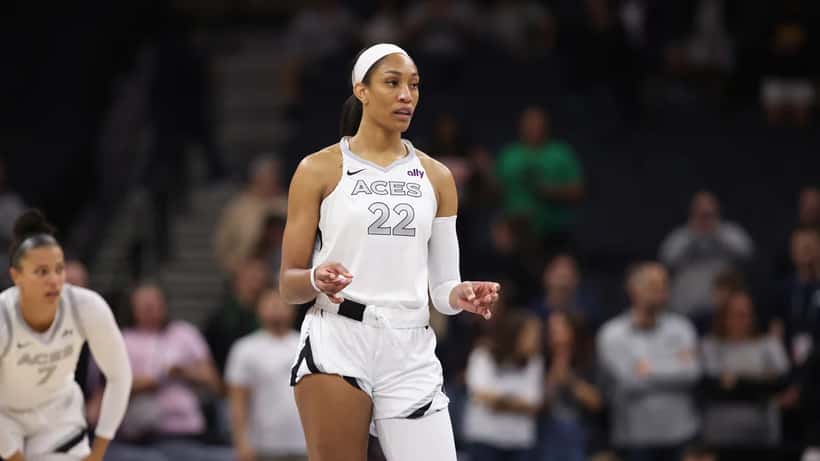
The Minnesota Lynx host the Las Vegas Aces today at Target Center in Minneapolis — and the 25-7 Lynx versus 22-9 Aces matchup, broadcast live on CBS and Paramount+, is the closest thing the 2026 WNBA regular season has produced to a championship preview. But the real story playing out on that hardwood is also a financial and legal one. Today's game is the first full season's showcase for the most consequential labor deal in women's professional sports history: the 2026 WNBA Collective Bargaining Agreement.
The CBA was ratified on March 20, 2026, by both the WNBA Board of Governors and the Women's National Basketball Players Association. It covers seven seasons through 2032. It raised the salary cap to $7 million and created the first revenue-sharing model in women's pro sports. It also introduced legal provisions around rookie contracts and free agency that are still being tested in real time. As the Lynx and Aces take the floor today, those provisions are not abstract policy. They govern exactly what A'ja Wilson earns, what Olivia Miles can demand by January, and what every WNBA player risks losing if she does not have the right legal guidance.
A Showdown Between the League's Two Financial Extremes
Four-time WNBA MVP A'ja Wilson leads the Las Vegas Aces into Minneapolis averaging 26.6 points and 9.8 rebounds per game. Under the 2026 CBA, maximum-contract players earn $1.4 million in the agreement's first year — a figure set to rise to more than $2.4 million by 2032, according to the league's official announcement. For Wilson, that ceiling represents the highest compensation structure in WNBA history and the payoff from years of advocacy for fair pay in women's basketball.
On the other side of the court, Olivia Miles has been the season's defining rookie story. The second overall pick in the 2026 WNBA Draft signed a four-year deal worth $2,090,240 with a 2026 salary of $466,913. At 19.8 points and 5.8 assists per game for the league-leading Lynx, Miles is outperforming every expectation — and in doing so, she has placed her representation in a position of significant legal consequence before her first season is even complete.
These two players, on the same court today in Minneapolis, represent the full financial spectrum the new CBA was designed to address. The gap between Miles's current deal and the maximum she could command next year is larger than most people realize — and the mechanism for closing that gap is an entirely legal one.
What the CBA's New Provisions Actually Say
The 2026 WNBA CBA runs more than 200 pages. Its most closely watched provision is the expedited maximum contract pathway: rookies on guaranteed deals who earn MVP honors or are named to the All-WNBA First or Second Team gain access to accelerated maximum compensation. This clause was designed to prevent transformational players from being locked into below-market rookie contracts while they carry a franchise.
In practice, the pathway is anything but automatic. The player — through her agent or attorney — must formally invoke the clause within a defined window after the All-WNBA team announcement. The written election notice must meet specific format requirements and be delivered to the team within the prescribed period. Miss the deadline by a single day, or file through the wrong league contact, and the right is forfeit for that contract year.
The CBA provides no grace period and no cure mechanism. This provision is new. No arbitration case has yet established precedent for how it will be interpreted when disputed. That legal ambiguity is precisely why sports attorneys specializing in labor law have seen growing demand from WNBA players and their agents this season.
Revenue Sharing: The Historic Breakthrough With Legal Fine Print
The 2026 CBA also established the first comprehensive revenue-sharing model in women's professional sports history. The WNBA and WNBPA project more than $1 billion in total player salaries and benefits over the seven-year term, with annual adjustments tied to league and team revenue growth. As television deals expand — including the CBS/Paramount+ package now carrying today's Aces-Lynx game to a national audience — that pool is expected to grow substantially.
But revenue sharing requires precise legal definition. What counts as "league revenue" versus team-specific income? How are streaming rights contracts distributed across the player pool? What audit rights does the WNBPA retain to verify the figures it receives? These questions are answered in the CBA's appendices and technical schedules — documents that are not accessible to most players without a lawyer who has worked through the full agreement.
For a player negotiating a personal endorsement deal this offseason, understanding where the revenue-sharing provisions begin and her individual image rights end is a threshold legal question. Getting it wrong does not produce a minor administrative inconvenience. It can result in compensation losses that dwarf the value of the endorsement deal itself.
Concrete Scenario: What Olivia Miles Faces in January 2027
Here is the exact situation Olivia Miles and her representatives will confront when the 2026 WNBA regular season closes. Assume she earns All-WNBA Second Team honors — entirely plausible at 19.8 points and 5.8 assists per game as a second-overall rookie.
Her current 2027 salary under the rookie deal is $485,590. The CBA's maximum contract for a second-year player in 2027 is projected at approximately $1.47 million, based on the 2026 cap of $1.4 million plus annual revenue-growth adjustments.
That is a gap of roughly $985,000 in a single contract year.
Under the expedited max pathway, Miles's team must file a written election notice within 30 days of the All-WNBA team announcement. The Minnesota Lynx then have 15 days to exercise their matching right before Miles can enter maximum-contract negotiations with other teams. If Miles's representatives miss the 30-day filing window, that $985,000 difference is not recoverable in the same cycle. The window can be missed for any number of reasons: misreading the CBA timeline, relying on informal confirmation from the team, or simply lacking legal counsel who has reviewed the precise provision.
If the election is filed on time and the Lynx exercise their matching right within the 15-day window, Miles negotiates a new deal at or near $1.47 million for 2027. That outcome requires one thing the CBA itself cannot provide: a sports attorney who knows which clause applies, how to invoke it, and when.
Disclaimer: This article contains general information about professional sports contract law and is for informational purposes only. It does not constitute legal advice. Consult a qualified sports or employment attorney for guidance specific to your situation.
What Free Agency Rights Veterans Cannot Afford to Miss
The 2026 CBA's implications extend well beyond rookies. Veterans with expiring contracts must navigate a restructured restricted free agency timeline under the new agreement. Minimum salaries now range from $270,000 to $300,000 in 2026 based on years of service — nearly double the floor from 2019. Players with more than three years of service carry restricted free agent rights: the team must submit a qualifying offer within a strict deadline, or the player enters unrestricted free agency automatically.
That deadline is not universally known inside WNBA front offices. A qualifying offer missed by a team is, in legal terms, a windfall for the player — if she has representation that recognizes it and acts within her own filing window to declare unrestricted free agency. Without that knowledge, a player may simply accept whatever her team presents next, unaware that the leverage had already shifted to her side.
For more on how the new WNBA contract structure is reshaping player finances, see our coverage of Jessica Shepard's $2M deal and the WNBA's evolving contract market and what the Kelsey Plum trade deadline moment revealed about player rights under the new CBA.
When to Consult a Sports Attorney
A game between the Lynx and Aces is, on its surface, a basketball event. The 2026 WNBA CBA has made it something more: a live showcase of what women's professional athletes can now earn, and a reminder of how easily those earnings can be lost without the right expertise.
Any WNBA player should consult a sports attorney before making a contract decision if she finds herself in one of these situations:
- Her rookie deal is expiring and she has earned All-WNBA First or Second Team honors or MVP recognition
- She has received a qualifying offer and is uncertain whether to accept, negotiate, or hold for unrestricted free agency
- A proposed trade triggers a performance bonus, no-trade clause, or buyout provision in her current deal
- She is entering a personal endorsement negotiation that may intersect with the CBA's image rights and revenue-sharing provisions
- She believes her team has missed a CBA timeline around salary offers, waivers, or the qualifying offer deadline
According to the official WNBA announcement on the 2026 Collective Bargaining Agreement, this deal represents the beginning of a new era for women's professional basketball. An era with more money, more structure, and more legal complexity than the sport has ever seen.
ExpertZoom connects athletes, agents, and sports professionals with certified sports law attorneys who specialize in professional sports contract negotiations. The 2026 WNBA CBA is a landmark. Make sure the guidance you receive matches its significance.
