
 Jessica Johnson
Alaska has no state law requiring employers to provide meal breaks or rest periods to adult employees. That single fact shapes every break policy in the state — and it surprises almost everyone who learns it for the first time. Here are 7 things Alaska workers, HR managers, and employers need to know about break rules in the Last Frontier.
1. Alaska Has No State-Mandated Meal Break for Adult Employees
The Alaska Wage and Hour Act does not require employers to give non-minor employees a meal period of any length. No 30-minute lunch, no 15-minute rest break, no mandatory break at all. Alaska joins the majority of U.S. states — including Texas, Florida, and Wyoming — in having no state break requirement for adults.
This means an employer in Anchorage can legally schedule a full 8-hour shift with zero breaks and be in complete compliance with Alaska law. Whether this is wise from an employee retention and productivity standpoint is a separate question from whether it is legal — it is.
Source: Alaska Wage and Hour Act, AS 23.10; Alaska DOLWD Labor Standards and Safety Division, 2026.
2. Federal FLSA Rules Govern How Breaks Are *Paid*
While federal law (the Fair Labor Standards Act) does not require employers to provide breaks, it does set strict rules about how any breaks that are taken must be compensated:
- Breaks of 20 minutes or less must be counted as paid work time — these are typically called "rest breaks" or "coffee breaks."
- Bona fide meal periods of 30 minutes or more, during which the employee is completely relieved of all duties, may be treated as unpaid non-working time.
The critical phrase is "completely relieved of duties." An employee who eats lunch at their desk, remains on call, answers emails, or is interrupted by work tasks during a 30-minute break has not been fully relieved. That break becomes compensable work time under the FLSA, even if the employer does not count it.
Source: 29 CFR § 785.18–19; U.S. Department of Labor, FLSA Break Rules, 2026.
3. Minor Employees Are Protected — 30 Minutes After 5 Consecutive Hours
Alaska's break-free landscape has one clear exception: workers under 18. Under the state's child labor regulations, minors must receive a 30-minute uninterrupted break for every shift exceeding 5 consecutive hours. This break must be completely free from work obligations — a minor who is interrupted by the employer during their required break has not legally received it.
Violations of the minor break requirement are treated as child labor violations by the DOLWD, which can result in civil penalties separate from any wage claims. Employers who run food service, retail, or summer tourism operations — industries with high concentrations of teenage workers in Alaska — must track break compliance for their under-18 staff.
Source: Alaska child labor regulations, AS 23.10.325; Alaska DOLWD Division of Labor Standards, 2026.

4. Unionized Workers Often Have Negotiated Break Rights
Collective bargaining agreements (CBAs) in Alaska frequently provide break protections that go well beyond what state or federal law requires. Trades unions in the construction, maritime, and oil industries often negotiate:
- Mandatory 10-minute rest breaks every 4 hours
- Paid 30-minute meal periods
- Additional breaks for workers in physically demanding roles or extreme temperatures
For public sector workers — covered by the Alaska Public Employment Relations Act (PERA) — CBAs negotiated by unions like the Alaska State Employees Association (ASEA) typically include detailed break schedules. If you are a union member and unsure of your break rights, your CBA is the starting point — not Alaska statute.
Source: Alaska Public Employment Relations Act, AS 23.40.070; ASEA CBA examples reviewed 2026.
5. A Break Must Be Completely Off-Duty to Be Unpaid
This rule catches many employers off guard. The FLSA's "completely relieved" standard is strictly applied. These scenarios result in a compensable break — even if the employer does not pay for it:
- Employee takes a 30-minute lunch but must stay available by radio or phone
- Employee is asked to "just watch the counter" during their break
- Employee eats at their desk in an open-plan office where interruptions are common
- Employee is required to remain on the employer's premises "just in case"
An employer in Fairbanks who requires their front desk worker to "cover phones during lunch" has created compensable work time for the entirety of that break period. Unpaid deductions for that 30-minute period are, legally, an underpayment of wages. Multiply that across an 8-hour shift for multiple employees, and the exposure adds up quickly.
Source: 29 CFR § 785.19; DOLWD wage and hour enforcement summaries, 2026.
6. Certain Industries May Face Additional Requirements
A few Alaska-specific contexts impose break obligations beyond the general rule:
Healthcare: Hospitals and healthcare facilities often operate under federal or state occupational health guidelines that recommend rest periods for patient safety reasons. While not mandated as wage-law breaks, regulatory compliance programs in Alaska's healthcare system typically include scheduled rest periods as part of duty-of-care standards.
Aviation and transportation: Pilots and flight crew operating in Alaska are subject to Federal Aviation Administration (FAA) rest rules under 14 CFR Part 117, which mandate minimum rest periods between duty periods. These federal transport rules apply separately from Alaska wage law.
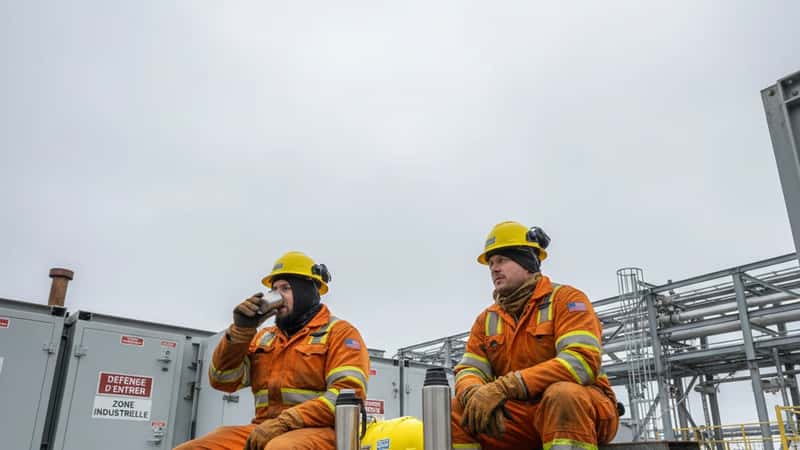
Oil and gas: Workers on Alaska North Slope operations under long-rotation schedules (e.g., 2 weeks on, 2 weeks off) often work under CBAs or company safety policies that mandate minimum rest breaks between shifts. Federal Occupational Safety and Health Administration (OSHA) fatigue guidelines inform these policies.
Source: FAA 14 CFR Part 117; OSHA fatigue management guidelines; Alaska healthcare licensing standards, 2026.
7. Your Employer's Written Policy Is Your Only Guarantee
In the absence of a state break mandate, an employer's own written break policy becomes the primary source of employee rights. If the employee handbook promises a 15-minute paid break every 4 hours, that promise creates a contractual obligation — and failure to provide it is potentially a breach of the employment agreement, if not a direct wage violation.
Employees starting a new job in Alaska should:
- Request the written break policy from HR before beginning work
- Review the employee handbook for specific language about meal periods, paid vs. unpaid status, and break scheduling
- Check whether a CBA applies to their role
- Document any break denials — if an employer is routinely interrupting or denying breaks promised in writing, contemporaneous notes help support a future complaint
States like New Jersey have mandatory break laws that provide stronger baseline protections. Alaska workers without union or contract protections rely entirely on their employer's voluntarily offered policies — making documentation and clarity critical.
À retenir: In Alaska, if it is not in your employment contract, your handbook, or your CBA, there is no state law that guarantees a single break during your workday.
Source: U.S. Department of Labor state break law survey, 2026.
The Alaska Labor Law dossier covers all core employment rules — overtime, final pay, sick leave, and minimum wage — for workers and employers in the state.
Legal notice: This article provides general legal information and does not constitute legal advice. Alaska wage and hour laws are subject to change. Consult a licensed Alaska employment attorney for advice about your specific situation.