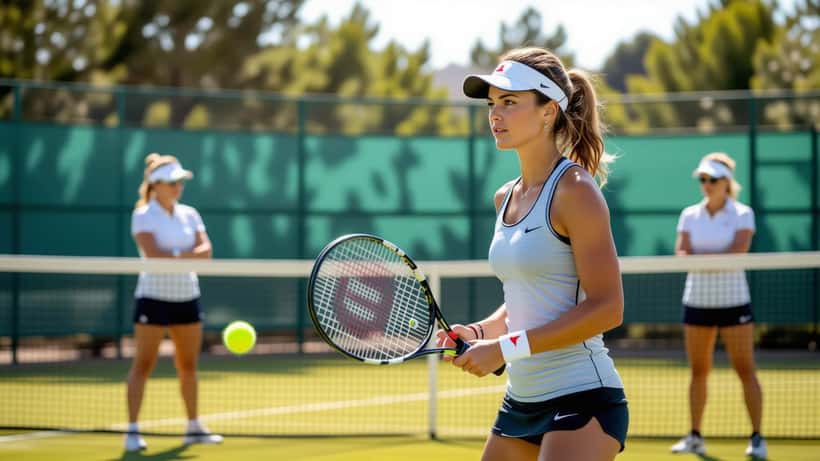
Marion Bartoli’s name is back in tennis conversations across the United Kingdom in 2026, with fans and pundits wondering whether the 2013 Wimbledon champion could stage a meaningful return to the sport. While the Frenchwoman has not committed to a full competitive schedule, her renewed presence at exhibition events and fitness updates has sparked debate about what it takes for an athlete to rebuild form after a long absence. For Expert Zoom, the conversation is not about gossip — it is about the physiology, psychology and practical expertise that define a sustainable comeback.
At 31 years old when she won Wimbledon, Bartoli retired less than two months after lifting the Venus Rosewater Dish. Her sudden exit was driven by persistent injuries and physical exhaustion, a reminder that peak performance can carry hidden costs. Nearly thirteen years later, any discussion of her return must begin with the lessons sports-medicine professionals repeat every day: comebacks succeed when they are paced, personalised and monitored by specialists rather than dictated by ambition alone.
The first expert consideration is load management. A former elite athlete returning to high-level training after more than a decade away cannot simply resume the volume of a twenty-year-old professional. Tendons, joints and the cardiovascular system adapt at different speeds. A sports physician would typically begin with movement screening, followed by a graded return that emphasises tissue resilience before match intensity. This same principle applies to amateur players who pick up a racket after years away: too much, too soon, is the fastest route to injury.
Nutrition is the second pillar. Bartoli has spoken publicly in the past about dietary pressures during her playing career. In 2026, a modern approach would involve a sports nutritionist designing fuel strategies around training blocks rather than weight targets. Carbohydrate timing, protein distribution, hydration and micronutrient status all influence recovery. Experts caution against one-size-fits-all diets; what matters is matching intake to the demands of each session and supporting sleep quality, which is when most muscle repair occurs.
Mental resilience may be the most underestimated element of any comeback. Bartoli was known for an intense on-court focus that bordered on ritualistic. Sports psychologists note that returning athletes often face a different mental challenge from the one they remember: the pressure of past achievement, scrutiny from social media and the frustration of physical limitations. Working with a performance psychologist can help separate identity from results, set process-oriented goals and manage expectations. For anyone watching Bartoli’s 2026 story, the psychological narrative is as instructive as the physical one.
Technical coaching also deserves attention. A player’s game does not freeze in time. Rackets, strings, surfaces and opponent tactics evolve. A tennis coach assessing Bartoli’s return would likely preserve her strengths — the distinctive double-handed groundstrokes on both wings and aggressive returning — while adapting footwork patterns to reduce joint stress. Grass-court transitions, in particular, demand careful preparation; discussions of Davidovich Fokina’s 2026 grass-court comeback show how surface-specific planning can protect a returning player, while Toby Samuel’s 2026 career highlights offer a contrast in how younger athletes build momentum through structured progression. Video analysis and data from practice sets would guide adjustments, ensuring that style supports longevity rather than undermining it.
The broader lesson for Expert Zoom readers is that athlete comebacks are multidisciplinary projects. No single coach, doctor or therapist owns the outcome. The most durable returns in recent memory — whether in tennis, football or athletics — have been built around teams that communicate clearly and adjust plans weekly. Similar comeback dynamics are visible in profiles such as Taylor Townsend's Wimbledon 2026 comeback and postpartum recovery, Jan-Lennard Struff's late-career Wimbledon run and Roman Safiullin's injury-managed return, each illustrating how expert support shapes the outcome. This is where expert consultation marketplaces add value: they connect individuals, whether elite athletes or everyday enthusiasts, with the right specialist at the right stage.
Bartoli’s situation also highlights a question many people face: when is the right time to seek expert help? The answer is earlier than most assume. Waiting for pain to become chronic, for motivation to collapse or for technique to break down makes recovery more expensive and less certain. A biomechanist, physiotherapist or nutritionist consulted at the first sign of trouble can often prevent the small issues that derail larger ambitions.
For tennis clubs and recreational players following the Bartoli headlines, there are practical takeaways. Begin with a movement assessment rather than a match. Schedule rest as deliberately as practice. Track sleep, energy and soreness alongside scores and statistics. And treat expert advice as an ongoing conversation, not a one-off prescription. These habits are the same ones that would underpin any professional comeback, scaled to the individual.
If Bartoli does compete at a high level in 2026, her journey will be scrutinised for its results. But for experts in sports science, the more interesting measurement will be sustainability: can she train, recover and compete without re-injury? Can she manage the psychological weight of public expectation? Can she adapt her game to a body that has changed? Those are the questions that determine whether a comeback is a headline or a lasting chapter.
From Expert Zoom’s perspective, the Marion Bartoli story is a timely example of why expert guidance matters. Whether the topic is a Grand Slam champion returning to court or an office worker returning to the gym, the fundamentals are similar: assess, plan progressively, recover intelligently and adjust based on evidence. In 2026, that disciplined approach remains the clearest path from ambition to achievement.
