 Evelyn Carter
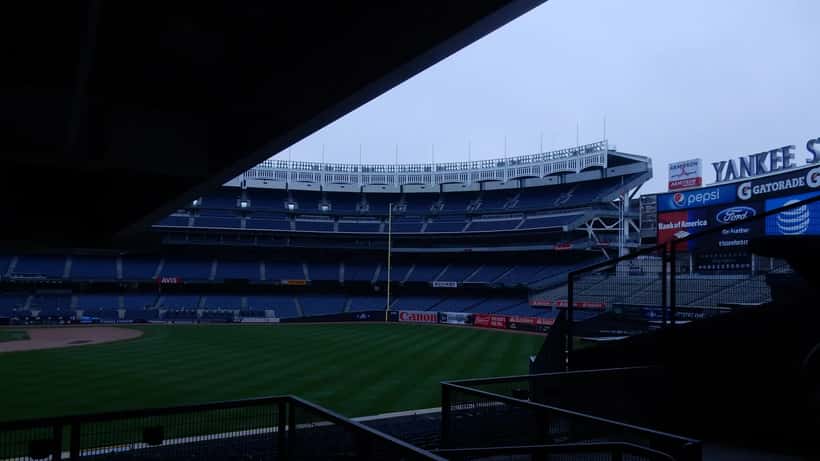
The New York Yankees close out their 3-game series against the Toronto Blue Jays tonight at 7:05 PM ET at Yankee Stadium, with right-hander Ryan Weathers (3.58 ERA, 61 strikeouts) taking the mound. Tuesday night's game was played under a punishing 90-degree sky, and tonight's forecast for the Bronx still puts first-pitch temperatures in the low-to-mid 80s with elevated humidity. As summer heats up, what heat really does to athletes and spectators is worth understanding before you head to the ballpark.
Playing 162 Games in the Heat: The Physiological Reality
Major League Baseball's 162-game schedule runs from April through September, exposing players to some of the most demanding heat conditions in professional sports. Ben Rice, who tied Aaron Judge for the Yankees team lead with his 16th home run on Tuesday night, played a full nine innings in 90-degree heat the same evening. For athletes operating at that level, heat is not a backdrop. It is a variable that directly shapes performance and health.
Research from the American College of Sports Medicine (ACSM) shows that professional baseball players can lose 6 to 8 liters of fluid per game in high-heat conditions. When core body temperature rises, the body faces a direct conflict: it must cool itself through sweat while simultaneously supplying oxygenated blood to working muscles. The cardiovascular cost of managing both demands simultaneously is significant.
A study published in the Journal of Applied Physiology found that a core temperature increase of just 1 degree Celsius above baseline reduces endurance capacity by up to 7 percent. For power athletes like first basemen and starting pitchers, this translates to slower reaction times, reduced explosive strength, and a heightened risk of muscle injuries during repeated sprint or throw efforts.
Ryan Weathers will throw 90 to 100 pitches tonight. Will Warren, who earned the win Tuesday, went five strong innings. These are not just statistical achievements. They are physical outputs completed under conditions that would challenge any person without professional conditioning and medical support.
What Stadium Heat Means for Fans
The Yankees' medical staff tracks player hydration before and after every game using pre- and post-game body weight measurements, a 2-percent weight loss indicating meaningful dehydration. Fans in the stands have no such monitoring.
The Centers for Disease Control and Prevention distinguishes two primary heat-related illnesses that anyone attending an outdoor summer event should recognize.
Heat exhaustion presents as heavy sweating, weakness, a cold or clammy complexion, a fast but weak pulse, and possible nausea or fainting. It is serious but manageable: move to a cooler area, loosen clothing, apply cool damp cloths, and drink water slowly if the person is conscious.
Heat stroke is a medical emergency. It presents as a body temperature above 103 degrees Fahrenheit, hot and red skin that often stops sweating, a rapid and strong pulse, and possible confusion or unconsciousness. Call 911 immediately. Heat stroke can cause permanent kidney, brain, and heart damage if treatment is delayed by even a few minutes.
For specific populations including older adults, young children, and anyone with diabetes, hypertension, or heart conditions, the risk at summer outdoor events increases substantially. Many common medications, including diuretics, antihistamines, and certain blood pressure drugs, also impair the body's ability to regulate temperature. According to the CDC's heat-related illness prevention guidance, these groups require extra precautions and close monitoring during hot-weather outdoor activities.
If you're at Yankee Stadium tonight, know where the first-aid station is located, carry water, and watch for early signs in yourself and those around you.
When Athletes and Fans Need a Sports Medicine Specialist
The Yankees employ sports medicine physicians, nutritionists, and performance scientists who track player responses to heat across the full 162-game season. For the vast majority of athletes competing outside the major leagues, that level of support does not exist.
Several situations warrant a consultation with a sports medicine specialist:
Recurring cramps during warm-weather events. Muscle cramps in the heat are commonly dismissed as dehydration, but repeated episodes may signal electrolyte imbalances, underlying circulation issues, or problems with how the body processes sodium. A specialist can identify the underlying cause and recommend corrective protocols.
Persistent fatigue that extends beyond 48 hours after a game or event. Delayed recovery from heat exposure may indicate incomplete fluid replacement, early cardiovascular strain, or, in rare cases, exertional heat illness that resolved without full treatment.
Dizziness or lightheadedness that recurs. When this pattern repeats over multiple warm-weather events, it may reflect orthostatic hypotension or hyponatremia, both of which require proper diagnosis rather than simply increasing water intake.
Noticeable performance drops in summer. Amateur pitchers, runners, and team-sport athletes who notice a consistent decline in speed, power, or endurance during warm months may benefit from a formal heat tolerance assessment. These evaluations measure sweat rate, core temperature response, and cardiovascular efficiency under controlled conditions. Max Fried and the Yankees pitching staff undergo exactly this type of monitoring through the season, according to reporting on their sports medicine protocols.
Platforms like ExpertZoom connect individuals with sports medicine physicians and health specialists who can advise on heat acclimatization programs, individualized hydration plans based on sweat rate, and safe return-to-play protocols after a heat-related incident. A 30-minute consultation with the right expert can prevent a season-ending injury or an emergency-room visit.
Practical Checklist for Tonight's Yankees Game
Based on ACSM and CDC heat prevention guidance, here is what to do before and during tonight's game at Yankee Stadium:
- Drink 16 to 24 ounces of water in the two hours before entering the stadium
- Wear light-colored, loose-fitting, breathable clothing
- Limit alcohol and caffeine during the game, as both accelerate dehydration
- Seek shade on the upper-deck concourse during pitching changes or inning breaks
- Check on elderly relatives or friends you attend with at regular intervals
- If someone shows heat exhaustion symptoms, flag a stadium attendant immediately and move them to the first-aid station
The Yankees play 81 home games per year. Summer heat will be a factor for many of them. Understanding its effects is not alarmist. It is practical.
The information in this article is educational and does not constitute medical advice. If you or someone with you experiences symptoms of heat illness, seek professional medical attention immediately.
