 Christopher Adams
A late-season winter storm slammed the Upper Midwest in early April 2026, leaving more than 36,000 Wisconsin homes without power and blanketing the Great Lakes region with over 12 inches of snow and damaging ice. As temperatures slowly rise, homeowners across affected states are now confronting a more lasting problem: storm damage that won't fix itself.
What the April 2026 Storm Actually Did to Homes
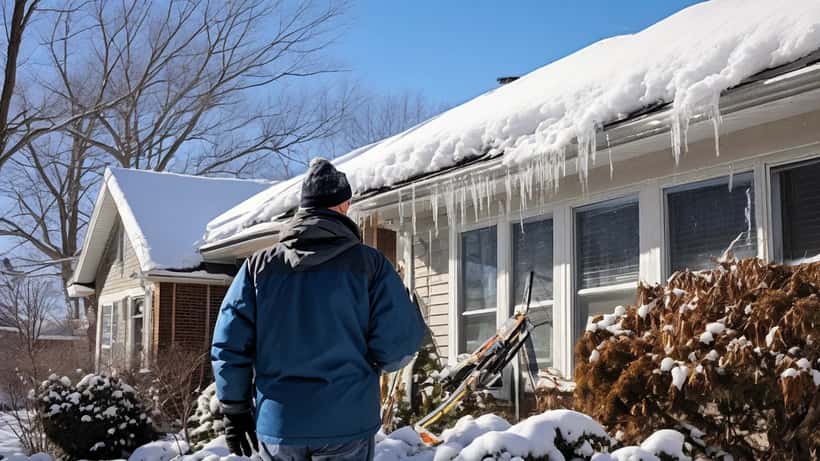
According to the National Weather Service, freezing rain accumulation in Wisconsin and northern Michigan reached critical levels between April 2 and 4, 2026. Ice loading on gutters, rooflines, and tree branches caused widespread structural stress — even to homes that weathered the winter without visible issues.
The storm's back-to-back nature was particularly damaging. A second system intensified before residents could recover from the first, meaning ice accumulation was compounded. FEMA has since opened a 2026 Winter Storm disaster assistance program for the hardest-hit counties.
The three most common types of damage documented after this event:
- Ice dam formation: When ice builds up along the eave line and traps meltwater beneath shingles, water infiltrates the roof deck, attic insulation, and eventually interior walls. This damage is invisible from the outside until mold or ceiling stains appear weeks later.
- Gutter failure: A single inch of ice loading can exceed the rated weight limit of most residential gutter systems. Gutters pulling away from the fascia or visibly bent brackets signal attachment failure.
- Foundation stress: Repeated freeze-thaw cycles cause soil expansion and contraction that can crack foundation walls or shift basement slabs — especially in older construction.
What to Inspect Right Now
If your home sits in the storm corridor — from South Dakota through Wisconsin, northern Michigan, and into northern New England — do not wait for visible water intrusion to act. Here is a priority checklist:
Roof and attic (first priority) Go into your attic on a clear day and look for daylight penetration, wet insulation, or dark staining on the sheathing boards. These are signs that ice dam water has already entered the structure. From outside, scan the eave line for lingering ice formations and check for missing, cracked, or buckled shingles.
Gutters and downspouts Walk the perimeter of your home and pull on gutter sections lightly. Any movement indicates the hangers have loosened. Check that downspouts still channel water away from the foundation — a dislodged downspout extension can funnel hundreds of gallons of snowmelt directly against your basement wall.
Siding and exterior trim Ice expansion can force water behind vinyl or wood siding without any visible crack. Look for bubbling paint, discoloration, or soft spots near windows and doors — these indicate moisture has entered the wall cavity.
Basement and foundation After a thaw, inspect basement walls for new hairline cracks, efflorescence (white mineral deposits), or standing water. Even minor new cracks should be documented with photos and measurements so a professional can assess whether they represent settling or active structural movement.
When to Stop DIYing and Call a Professional
The US Department of Housing and Urban Development estimates that undetected water intrusion after a major storm can result in $10,000–$30,000 in damage that would have cost under $500 to address early. The decision point for calling a licensed home improvement expert is simple: if you see any evidence of water infiltration into the structure, or if you are uncomfortable accessing the roof safely, stop and call.
Specifically, licensed contractors should handle:
- Any roof repair above a single story — ice-compromised rooflines are slippery and structurally unpredictable
- Foundation crack assessment — distinguishing cosmetic from structural cracks requires experience and may require a structural engineer referral
- Mold remediation — if insulation has been wet for more than 48 hours, mold is already growing; professional remediation is required before reinsulating
- Gutter replacement with fascia repair — if the fascia board itself is rotted from ice loading, the gutter system cannot hold without addressing the substrate first
How Home Improvement Experts Can Save You Money
According to the Insurance Information Institute, properly documenting storm damage before any repair work begins — including photos, written contractor assessments, and material receipts — significantly improves insurance claim outcomes.
Beyond insurance, a licensed professional can prioritize repairs correctly. Addressing a failing gutter system before the spring rain season prevents the cascade of basement water intrusion that turns a $300 gutter repair into a $15,000 waterproofing project.
On platforms like Expert Zoom, homeowners can connect directly with licensed home improvement professionals for remote assessments, initial consultations, and referrals to local licensed contractors in your state.
What to Do This Week
The window for documenting April 2026 storm damage for insurance purposes is closing. Most homeowner policies require damage to be reported within a reasonable time after the event — typically 30 to 60 days. Acting now puts you in the strongest position.
Your three-step plan:
- Complete the exterior and attic walkthrough above, photograph everything
- Request a written assessment from a licensed home improvement expert
- Contact your insurance carrier with your documentation before any repair work begins
Late-season storms are increasingly common as polar vortex disruptions extend cold weather deeper into spring, according to NOAA's seasonal outlooks. The April 2026 event will not be the last of its kind. Building a relationship with a trusted home improvement professional now — before the next emergency — is the best investment a homeowner can make.
Disclaimer: This article provides general homeowner guidance. Always consult a licensed contractor and your insurance provider before undertaking structural repairs.
