 Lucas Price
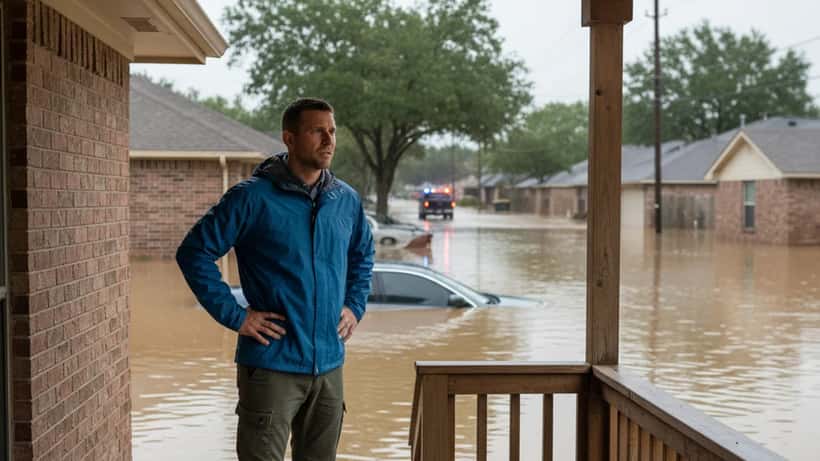
Flash flood warnings were issued across more than a dozen U.S. states this week, with the National Weather Service tracking dangerous conditions from Hawaii to the central plains. Oahu, Hawaii, experienced one of the most dramatic flooding events of 2026 in late March, with hundreds rescued and entire neighborhoods evacuated in Waialua and Haleiwa. If your home is in a flood-prone zone, acting before the water arrives is the difference between a cleanup and a full rebuild.
What Flash Floods Are Doing to American Homes Right Now
The April 2026 flooding cycle follows a pattern already established as the costliest in recent memory. According to FEMA's National Flood Insurance Program (NFIP), flood damage cost American homeowners over $8 billion in 2024 alone — the most expensive natural disaster category that year. Real-time river levels and flood forecasts are tracked by NOAA's Water Prediction Service, which provides flood stage alerts for waterways across all 50 states. Average water damage repair costs run from $1,384 to $6,384 for moderate incidents, while structural reconstruction can cost $20 to $37 per square foot.
The hardest-hit properties are almost always those in zones that homeowners believed were safe. FEMA's flood maps are updated regularly, and many properties that were outside flood zones five years ago are now inside them. Checking your property's current flood zone designation is a critical first step — and it's free through the NFIP portal.
The Three Phases of Flood Damage (And When Each Costs You)
Understanding what flood damage actually does to a home helps homeowners make better decisions about when to call a contractor. Water damage is rarely a single event — it unfolds in three phases.
Phase 1: Immediate (0–24 hours) Structural intrusion of water through foundations, windows, doors, or overflow drainage. This is the phase most visible during a flood event. Carpets, flooring, and lower walls absorb moisture immediately. The clock on mold growth starts here: FEMA and the CDC agree that mold can begin forming within 24 to 48 hours of water intrusion.
Phase 2: Hidden damage (24–72 hours) Once floodwater recedes, the real structural risks emerge. Insulation, drywall and wooden framing hold moisture long after surfaces dry. This is where amateur cleanups often fail: a dry-looking wall can conceal saturated insulation that will generate mold for months. A licensed water damage contractor has moisture meters and thermal imaging to detect hidden wet spots that the naked eye misses.
Phase 3: Structural and legal complications (weeks–months) Improperly remediated flood damage can lead to long-term structural failure — sagging floors, compromised load-bearing walls, and foundation settling. In some states, failing to disclose known water damage when selling a property can constitute fraud. A home improvement contractor can document damage correctly from the start, which protects both your home's integrity and your legal standing.
Contractor Scams Surge After Every Flood Event
One consistent post-disaster pattern is the surge in contractor fraud. The FBI and FEMA have both issued warnings about "storm chasers" — unlicensed contractors who descend on flood-hit communities offering quick, cheap repairs, take large deposits upfront, and either disappear or deliver substandard work that fails within months.
Red flags to watch for after a flood:
- Contractor shows up unsolicited, door-to-door
- Requests large cash payment before work begins
- Cannot provide a valid state contractor's license number
- Offers a verbal-only estimate with no written contract
- Pressures you to decide immediately
Verify any contractor's license through your state's contractor licensing board before signing anything. Your state's attorney general website also maintains an active list of flagged contractors following disaster events.
FEMA Resources: What You're Entitled to After a Flood
Many homeowners don't realize how much federal assistance is available after a flood. FEMA's Individuals and Households Program (IHP) provides grants for temporary housing, home repairs, and personal property losses not covered by insurance. Registration is available at DisasterAssistance.gov within the designated disaster period.
If you have flood insurance through the NFIP, your policy covers both building damage (up to $250,000) and contents damage (up to $100,000). However, claims must be documented correctly — which means having a qualified contractor assess and document damage before any cleanup or repair work begins. Premature cleanup without documentation is the single most common reason NFIP claims are reduced or denied.
Before the Next Storm: What Smart Homeowners Do
The 2026 flooding season is not over. NOAA's spring outlook shows continued above-average flood risk for the central and southern United States through May. Proactive steps that a home improvement contractor can help with include:
- Foundation sealant inspection and application to reduce groundwater intrusion
- Sump pump installation or inspection — the first line of defense in a basement flood
- French drain installation to redirect water away from foundations
- Elevation of HVAC systems and electrical panels above the base flood elevation
Expert Zoom connects you with licensed, verified home improvement contractors and craftspeople across the United States who specialize in flood preparation, water damage assessment, and post-storm restoration — before the next warning is issued, not after.
Disclaimer: This article provides general information only. For individual legal, insurance, or structural advice related to flood damage, consult a qualified licensed professional.
