 Michael Campbell
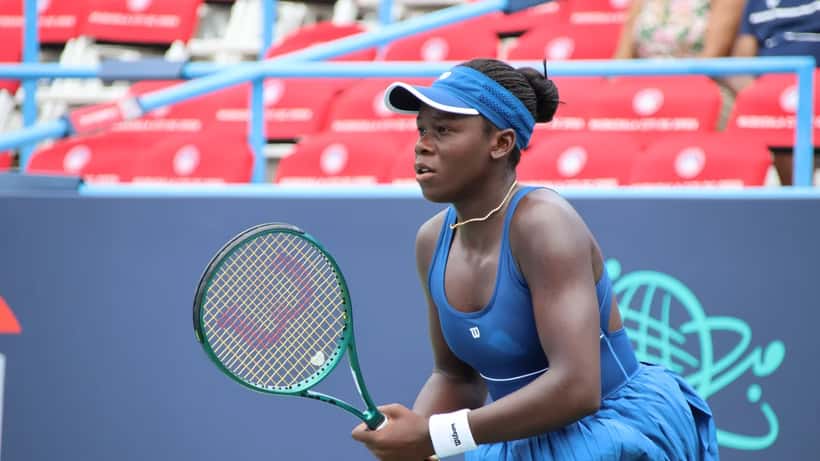
Canadian teenager Victoria Mboko, the No. 9 seed at Roland-Garros 2026, cruised past Nikola Bartunkova 6-1, 6-2 in 69 minutes on May 26 to open her French Open campaign, just three days after losing the Strasbourg final 6-0, 5-7, 6-2 to American Emma Navarro. At 19, Mboko has now collected prize money in three countries inside a single fortnight — and that is where the IRS and the Canada Revenue Agency start paying attention.
Most fans see the trophy run. Sports tax attorneys see something else: a young pro about to face one of the most complicated cross-border tax situations in professional sports. Here is what parents and advisors of rising American tennis players should understand before the prize-money checks start arriving in 2026.
Why Tennis Prize Money Triggers Multi-Country Tax Filings
Tennis is one of the only professional sports where an athlete competes in 15 or more countries in a single year. Every tournament treats prize money as income earned in the country where the event is held. According to IRS Publication 515, foreign athletes performing in the United States are generally subject to a 30 percent withholding on US-source earnings unless a tax treaty reduces the rate.
For Mboko, who trains in Toronto, that means a check from a US event is taxed first by the IRS, then declared in Canada, where a foreign tax credit may avoid full double taxation. American players collecting prize money at Roland-Garros, Wimbledon, or the Australian Open face the reverse situation — and very few first-year pros file the right forms in the right order.
Four Tax Traps Young Tennis Pros Often Miss
A specialist sports tax attorney typically flags four issues that recur in every breakout year.
1. The Withholding Mismatch
Tournament organizers withhold tax at the venue. Players often assume that is the end of the story. It is not. The amount withheld almost never matches the player's actual liability once expenses, endorsements, and treaty benefits are calculated. Filing a US Form 1040-NR is mandatory for most foreign players above the personal allowance threshold at a US event, and US-based players must file a full Schedule C on prize money earned overseas.
2. The Endorsement Allocation Problem
Sponsorship income is allocated across countries based on where the player competes and trains. A poorly drafted endorsement contract can cause the same dollar of income to be taxed twice. Athletes who sign with US-based agents without specialized international tax counsel routinely lose 15 to 25 percent of their net income to avoidable double taxation, according to data published by the United States Tax Court in athlete cases over the past decade.
3. The Coach and Trainer Deduction Trap
Most countries allow players to deduct legitimate business expenses — coaching salaries, court rental fees, physical therapy, and travel. The rules differ sharply between jurisdictions. The IRS requires detailed contemporaneous records. Players who do not retain receipts and signed contracts during their breakout year typically forfeit thousands of dollars in deductions later.
4. The State Residency Audit
For US-based tennis pros, the choice of home state matters enormously. Florida, Texas, Tennessee, and Nevada have no state income tax. New York and California aggressively audit professional athletes who claim a low-tax residence while spending too many days at their training base. The "183-day rule" is the headline, but several states use a more aggressive "facts and circumstances" test that has caught dozens of pro athletes off guard.
What a Sports Tax Attorney Actually Does
A qualified attorney working with young tennis professionals typically handles four things at once. They build a residency strategy aligned with where the player actually trains. They negotiate endorsement contracts with language that allocates income cleanly across jurisdictions. They coordinate with the player's accountant in every country where prize money is collected. And they structure entity formation, often using a personal services corporation, to smooth income across high and low earning years.
The cost of this work usually runs 1 to 3 percent of gross income. The savings, when done correctly, are typically 8 to 15 percent of net income — and that ignores the cost of fixing a problem after a multi-year audit.
Why the First Breakout Year Locks In Future Filings
The IRS opens audits for tax years up to three years after filing, and indefinitely in the case of fraud. State revenue departments can go further. A 19-year-old who wins her first WTA final and reaches the third round of Roland-Garros in the same month is suddenly visible to every revenue authority in every country where she competes, including the United States if she plays the US Open swing.
The window to put a clean structure in place closes fast. By the time a player files her first return showing six-figure international earnings, the residency claim, the endorsement allocation, and the deduction strategy are largely locked in. The pattern set in year one tends to be the pattern audited in year four.
Families of American players entering the WTA or ATP tour should review the same questions Mboko's team is working through right now. For a related look at how prize-money structures shape an athlete's early career, see our feature on Daria Snigur and tennis prize-money planning. A licensed sports tax attorney or international tax CPA can review your specific situation before the next tournament check is cashed.
This article is general information and does not constitute legal, tax, or financial advice. Speak with a licensed attorney and a qualified tax professional about your specific situation.
