 Michael Campbell
Trezeguet's WC2026 Goal Powers Egypt's First Win: 5 Financial Moves Young Athletes Must Make
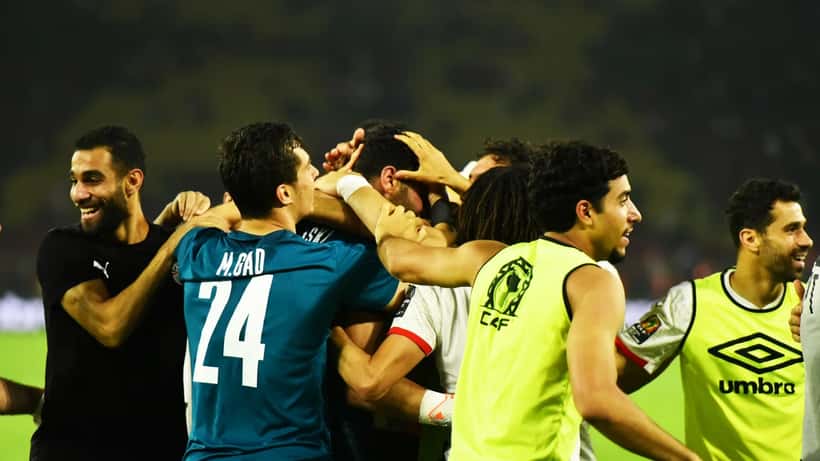
Mahmoud Hassan "Trezeguet" scored the decisive third goal as Egypt defeated New Zealand 3-1 on June 22, 2026 — the North African nation's first-ever World Cup victory. The milestone match, played in group-stage action at the expanded 48-team tournament, has catapulted Trezeguet to the top of American sports search trends and made the Egyptian winger a household name overnight.
Behind the drama of the pitch, though, Egypt's historic win raises an underappreciated question: how should a young athlete manage sudden fame and the financial windfall that follows a career-defining moment?
Egypt Makes History at the 2026 FIFA World Cup
Egypt entered the 2026 FIFA World Cup in North America with no winning record in previous World Cup group stages. On June 22, that changed. Mohamed Salah opened the scoring with a composed finish at 67 minutes — at age 34, rewriting his own legacy. Trezeguet then sealed the victory with a clinical third goal that sparked celebrations from Cairo to Alexandria and across the Egyptian diaspora worldwide.
The result keeps Egypt alive for the knockout rounds — a scenario that would trigger millions of additional dollars in FIFA prize payments to the Egyptian Football Association. According to FIFA, the 2026 World Cup total prize pool reaches $1 billion across all 48 teams, with each participating nation guaranteed a minimum of $13.5 million just for entering the tournament. Advancing past the group stage unlocks an additional $2 million per round.
For Trezeguet and his teammates, this is a moment of peak visibility and peak earnings potential. The question is what happens next.
The Money Behind the Goal
Prize money in soccer operates differently from individual sports. FIFA distributes funds directly to national federations — not to players. Each federation then sets its own internal bonus structure for players and coaching staff. Egypt's Football Association has reportedly structured significant performance bonuses tied to match results, a system common across African and Middle Eastern football programs.
Beyond prize bonuses, a World Cup performance of this magnitude opens doors: sponsorship inquiries, endorsement deals, broadcast appearances, and increased transfer market value. For a 29-year-old winger like Trezeguet, these income streams can arrive simultaneously and without warning.
As documented by the U.S. Consumer Financial Protection Bureau, sudden income events — including large bonuses, prize payouts, and contract windfalls — require careful, proactive financial planning. Without it, the window of opportunity narrows quickly.
5 Wealth Management Moves Every Young Athlete Should Make
Whether you are a professional footballer navigating a World Cup bonus or a competitive athlete in any field receiving a sudden career-peak payday, these five moves are recommended by qualified wealth management experts:
1. Diversify Immediately — Before the Moment Passes
Athletes who receive large prize money often concentrate their wealth in a single asset class, most commonly real estate in their home country. A wealth management advisor structures allocations across diversified assets — equities, bonds, international funds, and property — reducing exposure to any single market. For Egyptian players whose bonuses may be denominated in local currency, diversification into stable foreign-denominated assets is especially critical given the Egyptian pound's recent volatility against the dollar and euro.
2. Manage Currency Risk Across Borders
International athletes operate across multiple financial jurisdictions. Playing in European leagues, receiving FIFA payments in U.S. dollars, and holding life savings in home-market currencies creates compounding currency risk that erodes value quietly. A skilled wealth manager builds account structures that hedge exchange rate exposure — a consideration that can save six figures over a five-year peak earnings window.
3. Build a Post-Career Runway Fund Now
The average professional footballer retires before age 35. At 29, Trezeguet has perhaps five to six peak earning years remaining. Financial planners consistently recommend athletes allocate 30 to 40 percent of peak career income into a post-career runway fund — a reserve designed to generate passive income for ten or more years after retirement, bridging the gap before a second career takes hold. As covered in our analysis of Paraguay's Isidro Pitta at the World Cup, the failure to build this fund is one of the most common financial errors career athletes make.
4. Hire a Fee-Only Fiduciary Advisor
Sports finance has a persistent problem: commission-based agents and financial advisors whose incentives are misaligned with an athlete's long-term interests. A fee-only fiduciary advisor is legally required to act in the client's best interest and charges a flat fee rather than a percentage of assets managed. For an athlete receiving multi-currency income from multiple sources — as World Cup players do — this distinction can save hundreds of thousands of dollars in mismanaged fees over a career. Similar guidance was explored in the story of Nishan Velupillay's World Cup debut financial decisions, where early fiduciary engagement made a documented difference.
5. Plan for Multi-Jurisdiction Tax Exposure
Athletes competing internationally face taxation in multiple countries: country of residence, country of competition, and in some cases their home nation. Without proactive planning, an Egyptian player competing on U.S. soil during the World Cup may face unanticipated U.S. tax obligations — particularly on income generated or earned while physically present in the country. A wealth management specialist with international sports expertise structures income flows to remain fully compliant while minimizing unnecessary tax drag, a consideration that grows in importance with each additional tournament round Egypt advances.
When Should an Athlete Consult a Wealth Expert?
The answer from every certified financial planner is the same: before a major income event, not after. The window for optimal financial structuring — creating trusts, establishing accounts in the right jurisdictions, setting up investment vehicles at favorable tax rates — closes quickly once income has arrived and been distributed.
Trezeguet's goal on June 22, 2026 opened that window. The decisions made in the days and weeks that follow will shape whether this World Cup moment becomes a foundation for lasting financial security or simply a memory.
Expert Zoom connects individuals, entrepreneurs, and athletes with vetted wealth management specialists who understand the demands of high-earning, short-tenure careers. A consultation during a career-peak moment is not an expense — it is the highest-return investment most athletes will ever make.
Disclaimer: This article is for informational purposes only and does not constitute personalized financial or investment advice. Consult a licensed, fiduciary financial advisor before making investment, tax, or estate planning decisions.
The Bigger Picture
Trezeguet's goal will live long in Egyptian football memory. But the financial architecture built — or neglected — in the months following a defining moment often determines whether that success translates into lasting independence.
The parallel to sports performance is direct: the best wealth outcomes, like the best athletic performances, result from preparation, the right team, and expert guidance applied at exactly the right moment.
