 Emily Wang
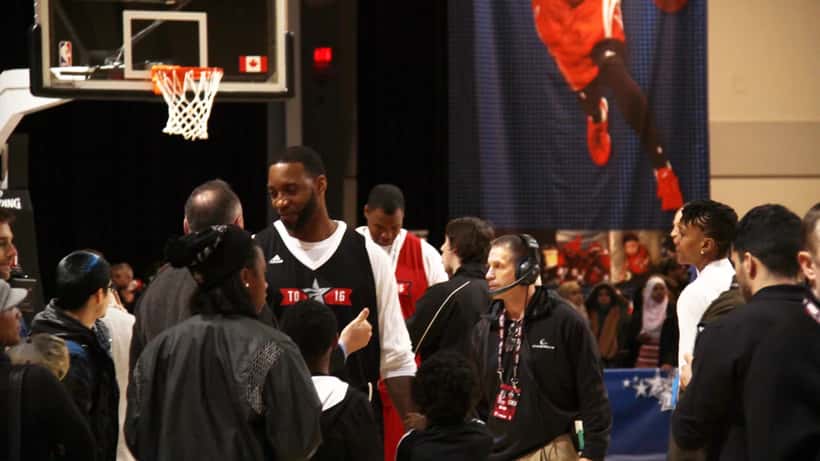
NBA Hall of Famer Tracy McGrady announced in May 2026 that he is joining Wagner College as a strategic adviser to the men's basketball program, taking no salary in a role focused specifically on name, image, and likeness development. McGrady's son plans to play for the Seahawks, but his advisory mandate extends beyond family connection: he will help coach Dwan McMillan's program build NIL infrastructure, marketing frameworks, and player development pathways for a mid-major program that, unlike Power Four schools, cannot simply outspend competitors for recruiting talent.
McGrady made his name as one of the most gifted offensive players of his generation — a player whose career was cut short by injuries rather than ambition. At Wagner, he is betting that his expertise and network can deliver something more lasting than a check: a functional understanding of what NIL rights college athletes actually hold, and how to exercise them before signing anything.
What NIL Actually Changed for College Athletes
Before July 2021, the NCAA prohibited college athletes from monetizing their name, image, and likeness while maintaining amateur eligibility. The rule change — triggered by state legislation and ultimately by the NCAA's own revised policy — did not create a new market so much as unlock one that had been artificially suppressed.
Under current rules, college athletes at any level can enter into endorsement deals, sign with social media sponsors, license their name and image for merchandise, receive payment for autograph sessions, and participate in business ventures. The NCAA's NIL framework sets the guardrails, but individual states, conferences, and schools have layered their own policies on top — creating a patchwork of rules that varies significantly depending on where an athlete plays.
McGrady's Wagner role centers on helping athletes at a Staten Island school navigate this landscape with more sophistication than they typically receive.
5 NIL Rights College Athletes Frequently Underestimate
Sports attorneys working in the NIL space consistently identify the same five rights that student athletes fail to fully exercise:
1. The right to retain an agent or representative: College athletes can hire licensed agents, attorneys, or marketing representatives to negotiate NIL deals on their behalf. There is no prohibition on professional representation, and given the complexity of contract terms across varying state laws, experienced representation can materially improve deal quality.
2. The right to review and reject school-facilitated collective deals: Many schools have connected athletes with boosters through "collectives" — organizations that pool resources to fund NIL arrangements. Athletes have the right to review the terms of any collective agreement before signing, consult independent legal counsel, and decline arrangements that do not serve their interests.
3. The right to negotiate exclusivity windows and competing brand clauses: NIL contracts frequently include exclusivity clauses that prohibit athletes from working with competing brands during the deal term. Athletes have the right to negotiate the scope and duration of those exclusivity provisions — and in many cases, an experienced negotiator can limit them significantly.
4. The right to income reporting without forfeiting eligibility: NIL income is taxable. Student athletes receiving payments must report income to the IRS and often to their state tax authority. The right to earn money without jeopardizing eligibility coexists with the obligation to comply with federal and state tax law. Failing to understand this has cost some athletes penalties; getting it right from the first deal is straightforward with proper guidance.
5. The right to exit underperforming deals: Not every NIL contract contains a performance-based exit clause, but many can be negotiated with them. If an endorsement partner fails to provide promised promotional support, or the deal underperforms against agreed metrics, athletes may have contractual or state consumer protection grounds to exit or renegotiate.
Where NIL Deals Break Down
The NIL space has matured significantly since 2021, but certain deal structures continue to create problems for athletes at every level — from top recruits like those choosing Power Four schools with NIL packages to mid-major players navigating Wagner-level collectives.
Three patterns recur in NIL disputes:
Vague performance obligations on both sides: Contracts that require an athlete to produce "social media content" without defining frequency, format, or approval process create disputes over whether obligations were met.
Missing termination and dispute clauses: Standard contract language should specify what happens if either party wants to exit early. NIL contracts negotiated without legal review frequently lack these provisions, leaving athletes locked into underperforming arrangements.
Transfer portal complications: Athletes who enter the transfer portal and move to a new school may find that existing NIL deals contain geographic restrictions, team association clauses, or school-specific branding requirements that conflict with their new situation. Review before entering the portal prevents this.
Getting Real Help Before Signing
McGrady's decision to work without salary at Wagner signals something specific: he believes the advisory and development side of college basketball is structurally underserved, especially at programs without dedicated compliance and NIL staff. Most mid-major athletes receive minimal guidance on the business terms of agreements they are expected to sign on short notice during recruiting processes.
Sports and entertainment lawyers with NIL experience provide a service that pays for itself on virtually any deal above a modest threshold. A 30-minute consultation before signing an endorsement agreement — reviewing the exclusivity scope, the exit clause, the performance obligations, and the governing law — is substantially less expensive than unwinding a poorly structured deal after the fact.
ExpertZoom connects student athletes, families, and coaches with licensed sports and contract attorneys in all 50 states who specialize in NIL review, negotiation support, and compliance guidance. McGrady will do this work for Wagner's athletes; every college athlete deserves access to the same level of care.
This article provides general legal information only and does not constitute legal advice. Consult a licensed sports or employment attorney for guidance specific to your situation.
