 Daniel Sterling
No. 1 Texas descends on Knoxville today, September 26, 2026, for what is already being called the biggest home game in years for the Tennessee Volunteers — and with it comes one of the highest-stakes betting days Tennessee sportsbooks have ever seen. But while fans are debating the Texas -5.5 spread and a juicy over/under of 54.5, a quieter legal story is playing out in the background: what happens when your winning bet doesn't get paid? Across Tennessee, bettors are increasingly filing formal disputes with the state's Sports Wagering Council — and many of them don't know they had that right until it was almost too late.
The Game Drawing the Biggest Bets of the Year
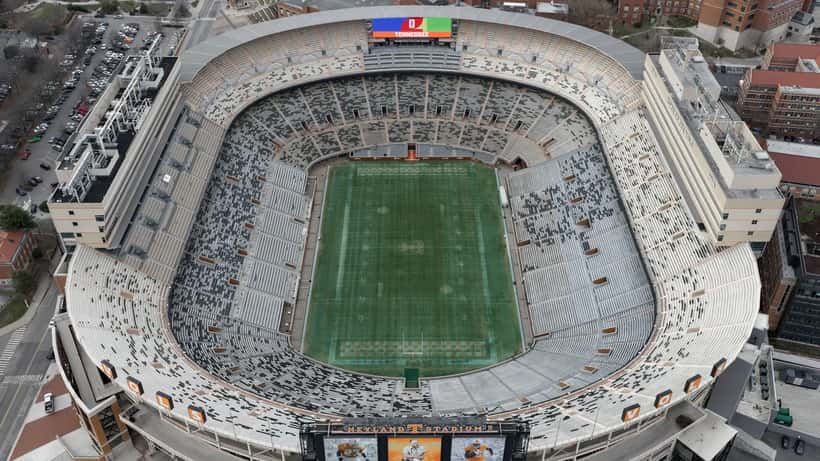
Tennessee's matchup with top-ranked Texas at Neyland Stadium is a noon kickoff on ABC, with the Longhorns installed as -200 moneyline favorites and Tennessee sitting as a +164 underdog. The spread has fluctuated between Texas -4.5 and -5.5 throughout the week, settling at -5.5 as of game day.
Those lines matter more than ever in a state where mobile sports betting has been legal since 2020. Tennessee now hosts 12 licensed online sportsbooks — including FanDuel, DraftKings, BetMGM, bet365, and Hard Rock Bet — and you must be 21 or older to place a wager. There are no retail sportsbooks; every bet happens on an app or website.
The Tennessee-Texas game is drawing the kind of betting volume that strains customer service operations at every major platform. And when volume spikes, so do disputes.
Why Legal Rights Matter More Than Ever This Season
Tennessee sports betting is regulated by the Tennessee Sports Wagering Council (SWAC), a state agency that has grown its enforcement activity significantly in 2026. In January, it ordered Kalshi, Polymarket, and Crypto.com to cease operations in the state, accusing prediction market platforms of offering unlicensed sports wagering. Kalshi filed suit and secured a preliminary injunction in February — a federal court case that is still unresolved as Tennessee fans bet on today's game.
That legal battle has a direct consequence for everyday bettors: if you placed wagers on a prediction market platform thinking it was equivalent to a licensed sportsbook, you may have no consumer protection. According to the Tennessee SWAC, unlicensed operators that take deposits offer no recourse if a payout dispute arises.
The distinction between a licensed sportsbook and an unlicensed prediction market is not always obvious to casual bettors — and the window to seek help is tight.
The 30-Day Rule Most Bettors Don't Know About
Under Tennessee's sports betting regulations, bettors who believe a licensed sportsbook has wrongly withheld a payout must follow a two-step dispute process. First, you file a formal grievance directly with the sportsbook — and that clock starts ticking from the moment the incident occurs. You have 30 days from the incident to file that initial grievance. If you are unsatisfied with the sportsbook's response, you have a second 30-day window to escalate the dispute to the Sports Wagering Council.
Miss either deadline and your legal path to recovery narrows sharply. A sports and gambling attorney can help you document the dispute correctly, meet those deadlines, and identify whether the sportsbook's terms of service were applied lawfully. As highlighted in our earlier coverage of DraftKings odds and legal rights in 2026, platform terms of service can be dense — and disputes often hinge on a single clause that bettors agreed to at signup without realizing the implications.
A Concrete Case: When Your Tennessee +164 Bet Doesn't Pay Out
Picture this scenario: you place $500 on Tennessee to win outright at +164 odds on a licensed Tennessee sportsbook this morning. If the Vols pull off the upset, that's a $820 payout — $500 back plus $320 in winnings.
Tennessee wins. You check your app. The balance hasn't moved. You try to withdraw. The sportsbook flags your account for "unusual activity" and freezes your funds pending review.
If this happens today, September 26, 2026, your 30-day clock to file a formal grievance starts immediately. Here is the if/then framework:
- If you file a grievance with the sportsbook within 30 days and they deny it or fail to respond within a reasonable period → you may escalate to the Tennessee Sports Wagering Council within 30 more days.
- If the sportsbook resolves in your favor within that first window → you receive your $820 and the dispute ends.
- If you miss the 30-day grievance window → you lose your right to formal state-level dispute resolution, and your only remaining avenue is civil litigation — which for a $820 dispute is rarely worth pursuing alone.
- If the sportsbook is unlicensed (a prediction market, crypto betting site, or offshore operator) → the SWAC has no jurisdiction. Your only avenue is a civil lawsuit or a chargeback through your bank, and the odds of recovery are substantially lower.
The $500 bet scenario may seem like a small amount, but the same rules apply to any bet size — and the same 30-day deadlines govern a $50,000 parlay as readily as a $500 moneyline wager. A lawyer can evaluate whether the sportsbook's account freeze violated Tennessee's licensed operator rules and whether the freeze itself constitutes an improper withholding of funds.
The Prop Bet Prohibition: A Trap for Casual Bettors
There is one additional legal wrinkle unique to Tennessee that is directly relevant to today's game. Tennessee prohibits prop bets on college football. You cannot legally wager, through any licensed Tennessee sportsbook, on individual player performance markets — things like passing yards for a Texas quarterback or receiving yards for a Tennessee wide receiver.
If a Tennessee-based sportsbook accepted your college football prop bet and then refused to pay out, citing the state prohibition after the fact, you are in a complex legal position: the sportsbook arguably should not have accepted the bet in the first place. An attorney who handles gambling disputes can argue that the operator's own failure to filter prohibited wager types may give you a claim for recovery — or at minimum, a refund of your stake.
This is not a theoretical edge case. As we reported in our coverage of SEC betting legal frameworks this season, licensed operators have faced complaints in multiple states for accepting bets they later voided citing local law — after the event had already concluded.
What to Do Before You Place a Bet on Today's Game
The Tennessee-Texas game is one of the best viewing opportunities of the 2026 college football season. If you are betting on it, a few legal hygiene steps take less than five minutes and could save you a major headache:
1. Verify your sportsbook's license. The Tennessee Sports Wagering Council maintains a list of licensed operators. The 12 current licensees include FanDuel, DraftKings, BetMGM, Caesars, bet365, Fanatics, theScore Bet, Hard Rock Bet, Action 24/7, Bally Bet, Betly, and VIP Play. Any platform not on that list is unlicensed in Tennessee — and your consumer protections do not apply.
2. Screenshot your bet confirmation. If a dispute ever arises, timestamped confirmation screenshots are your primary evidence. Store them somewhere besides the app itself.
3. Read the withdrawal terms before you win. Most bettors discover account restrictions only when they try to cash out. A two-minute review of withdrawal policies can alert you to wagering requirements or identity verification steps that could delay access to funds.
4. Know the 30/30 rule. Thirty days to file a grievance with the operator. Thirty days after their response (or non-response) to escalate to the SWAC. Mark those dates in your calendar the moment an issue arises.
5. If the amount is significant, consult a lawyer promptly. For high-stakes disputes, a sports and gambling attorney can help you navigate the formal SWAC process, advise on whether the operator's terms were lawfully applied, and determine whether your situation falls under Tennessee consumer protection statutes.
This article covers legal frameworks and consumer protection in Tennessee sports betting. It is not legal advice. If you have a specific dispute with a sportsbook, consult a licensed attorney in your state.
format_used: News brief
