 Jessica Johnson
As No. 2 Georgia travels to Fayetteville on September 19, 2026, to face the Arkansas Razorbacks in a high-stakes SEC matchup, millions of American sports bettors are logging onto their apps to place wagers — many without knowing the sweeping legal changes that could put their bets, and potentially their winnings, in jeopardy. The Bulldogs are 24.5-point favorites with an over/under set at 54.5 points, but the real stakes go beyond the scoreboard: college football betting has entered a new regulatory era, and the rules vary dramatically depending on where you live.
Why Georgia vs. Arkansas Is a Legal Flashpoint This Season
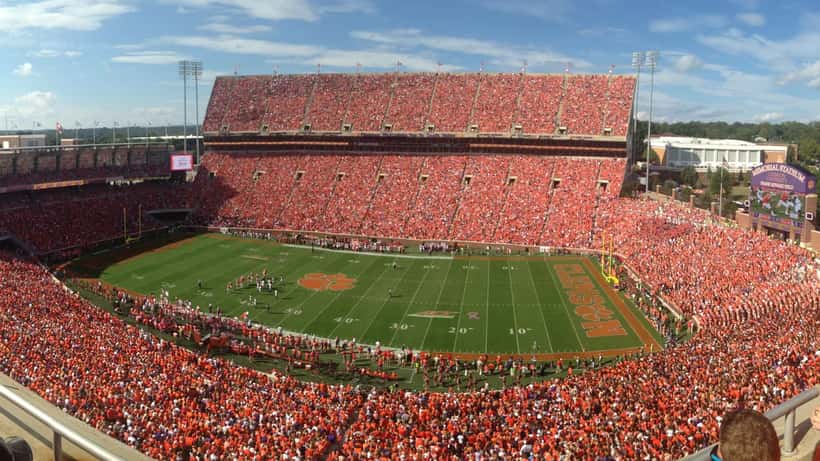
Georgia enters Week 3 of the 2026 season ranked No. 2 nationally with a 2-0 record under returning quarterback Gunner Stockton. Arkansas, playing at home at Donald W. Reynolds Razorback Stadium, is the clear underdog. The matchup airs on ABC at noon ET and draws national betting interest precisely because of Georgia's dominant line — at -24.5, it represents one of the largest spreads in SEC play this season.
That size of spread matters legally. When point spreads exceed 20 points, certain state regulatory frameworks trigger additional scrutiny around so-called "lopsided line" propositions. Several state gaming boards have introduced reporting thresholds for sharp betting activity on college games with extreme spreads, especially since the NCAA began lobbying in earnest for stricter prop-bet prohibitions in 2025. Any bettor placing a wager above a specific dollar threshold on a -24.5 college favorite should understand that their transaction may be flagged for anti-fraud review under newer state compliance frameworks.
A Legal Expert's Take: Three Regulations Bettors Are Ignoring
Sports law attorneys and gaming compliance specialists have flagged three under-the-radar legal developments that directly affect anyone betting on the Georgia-Arkansas game today.
First: The Protect College Sports Act. Discussed by the Senate Commerce Committee in June 2026, this proposed federal legislation would establish a national standard for college sports betting restrictions — including banning proposition bets tied to individual student-athlete performance nationwide. Right now, the patchwork is state-by-state: Tennessee bans individual player prop bets on college athletes; other states allow them freely. If passed, any prop bet you place today — say, whether Gunner Stockton throws for over 275 passing yards — could be retroactively problematic under federal rule-making guidance, particularly if a sportsbook opts for early compliance.
Second: In-state team restrictions. More than 39 states and D.C. have legalized sports betting as of 2026, but the majority impose at least one college-specific restriction. Arkansas bettors, for instance, cannot wager on Arkansas Razorbacks games through licensed platforms operating under Arkansas's gaming compact. A Georgia resident who moved to Arkansas in the last six months may not realize their account is geofenced — and discovering a "void bet" after the game is a common, avoidable legal surprise. The NCAA's own guidance, published in March 2026, clarifies that platforms are not legally obligated to notify users proactively when in-state restrictions apply.
Third: Prop bet harassment liability. The NCAA documented in 2026 that detailed proposition betting on college players — scoring touchdowns, receiving yards, turnover performance — has led to measurable harassment of student-athletes on social media. Several states have begun exploring civil liability frameworks where sportsbooks or bettors who amplify harassing behavior tied to prop outcomes could face consumer protection claims. While no state has enacted such a law yet, gaming attorneys confirm that cease-and-desist letters tied to this theory have already been sent in at least two jurisdictions.
The Concrete Case: What Happens to a $500 Parlay Bet on a Georgia-Dominated Spread
Take a specific scenario that plays out thousands of times on a day like today. A bettor in Tennessee, newly relocated from Texas, opens their DraftKings account and places a $500 three-leg parlay: Georgia -24.5, game total over 54.5, and an individual player prop for the Arkansas quarterback to throw fewer than 1.5 touchdowns.
Here is the if/then breakdown a gaming attorney would walk through:
- If the bettor's account was registered with a Texas billing address but is now accessed from a Tennessee IP address, then Tennessee's geolocation compliance system may void the session mid-bet, with winnings held in escrow for up to 21 business days during an identity verification review.
- If the individual player prop bet (the Arkansas QB under 1.5 TDs) is on a currently enrolled student-athlete, then under Tennessee's existing college prop ban, this leg is automatically voided regardless of outcome — but the full parlay payout calculation may be disputed, not automatically recalculated to a 2-leg bet at normal odds.
- If the bettor placed over $600 in cumulative daily wagers (total, not per bet), then federal IRS Form W-2G reporting applies to net winnings exceeding $600, but Tennessee's platform operators are only required to issue the form at $1,200 under a recent state-level carve-out — leaving the bettor with a federal tax obligation their platform never flagged.
At $500 principal in this parlay, a successful 3-leg payout at typical -110 lines could return approximately $1,800. But if the prop leg is voided and the payout recalculated on only 2 legs, the bettor would receive roughly $960 instead — nearly $840 less than expected. That gap is a legal dispute, not a platform error, and resolving it requires understanding how your specific state's gaming compact treats voided prop legs inside multi-leg wagers.
The bottom line: a single game like Georgia vs. Arkansas, with its high-profile national spread and multiple prop markets, exposes bettors to compounding regulatory risk that a five-minute conversation with a gaming or consumer law attorney could have clarified in advance.
What the Odds Don't Show You: The Georgia and Arkansas State Contrast
Both states in today's matchup have strikingly different betting landscapes. Georgia does not currently have a compact covering collegiate sports betting through licensed online platforms — Georgia residents legally betting on today's game must use offshore or out-of-state platforms, which operate in a gray zone the state has not prosecuted aggressively but has not legalized either. A Georgia resident placing a legal bet through a nationally licensed platform is technically conducting a transaction under another state's licensing framework, and any winnings are taxable as out-of-state gambling income under Georgia's Department of Revenue.
Arkansas, on the other hand, has a licensed sportsbook market through Oaklawn Racing Casino Resort and Saracen Casino Resort's associated apps — but, as noted, Arkansas residents cannot legally bet on Arkansas Razorbacks games under those licenses. An Arkansas fan wanting to back their own team against Georgia would need to cross state lines to a licensed jurisdiction, or use an unlicensed platform, neither of which is legally ideal.
This creates an irony where fans of both teams playing in today's game have restricted betting access on their own home team — a quirk of the college sports betting framework that the Protect College Sports Act, if passed, would formalize nationally rather than resolve.
According to NCAA sports betting regulatory guidance published in 2026, the organization continues to push for comprehensive federal oversight of college sports wagering, specifically citing concerns about student-athlete welfare and betting market integrity.
How a Lawyer Can Help Before, During, and After Placing Your Bet
Most bettors assume that as long as they're using a major, recognized sportsbook app, they're fully protected. Gaming attorneys routinely advise otherwise. The three most common legal services around college sports betting are:
Pre-bet compliance review: Particularly for high-value wagers ($1,000 and up), a gaming attorney can confirm whether a specific bet type is permitted in your state, identify geolocation pitfalls if you travel, and clarify your federal tax exposure based on current IRS guidance.
Dispute resolution: When a platform voids a bet or withholds winnings pending identity verification, a gaming attorney can file formal complaints with state gaming control boards, escalate to the relevant compact authority, or pursue small claims actions if the dispute amount warrants it.
Tax planning for frequent bettors: If college football betting represents more than occasional recreation — and at $500 or more per session, it quickly does — a tax attorney or CPA can structure your betting records to maximize deductible losses under Schedule C or Schedule A, depending on whether you qualify as a professional gambler under IRS criteria.
If you placed a bet on today's Georgia-Arkansas game and encountered any of the issues described above — a voided prop leg, a held payout, an unexpected account restriction — you may benefit from a consultation with a licensed attorney who specializes in sports gambling law. You can find vetted gaming law and consumer rights attorneys through ExpertZoom to review your specific situation.
Disclaimer: This article is for informational purposes only and does not constitute legal or financial advice. Sports betting laws vary by state and change frequently. Consult a licensed attorney in your jurisdiction for advice specific to your situation.
For more context on how US sports betting laws affect game-day wagers, see our guide on DraftKings odds and your legal rights as a bettor.
