 Sarah Miller
On May 22, 2026, SeaWorld San Diego unveiled a redesigned Shark Encounter — a rebuilt habitat housing 11 shark species, including the endangered Australian leopard shark — to applause from marine enthusiasts and fresh legal pressure from animal rights advocates. The question behind the spectacle: what does US law actually require when you keep marine predators in captivity?
What's New at SeaWorld San Diego
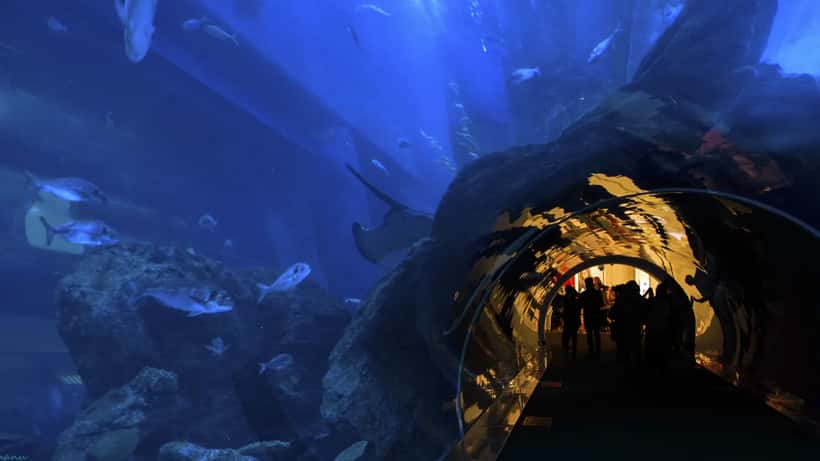
The rebuilt Shark Encounter replaces the original 1992 structure and features an extended underwater tunnel, upgraded water filtration systems, and a supervised paid feeding experience. Eleven shark species are now housed, several carrying IUCN Vulnerable or Endangered classifications, including blacktip reef sharks and the Australian leopard shark.
The park also launched a nightly drone show featuring 600 synchronized drones depicting marine life — replacing its traditional fireworks display after sustained criticism over noise pollution and chemical runoff into Mission Bay. SeaWorld cited environmental responsibility as the driver of the change.
NOAA Fisheries, which maintains an active rescue partnership with SeaWorld San Diego, has documented the facility's marine animal response record: the park rescued more than 40 pinnipeds, 150 seabirds, and a dolphin in the first five months of 2026 alone.
The Legal Framework for Captive Marine Animals
US law governing captive marine animals is built on two primary federal statutes: the Marine Mammal Protection Act (MMPA) of 1972 and the Animal Welfare Act (AWA). The MMPA prohibits taking marine mammals from the wild without a federal permit and sets minimum standards for captive care. The AWA establishes physical and psychological welfare requirements for animals in commercial exhibition facilities.
For sharks, the regulatory picture is more complex. Sharks are fish, not mammals, and fall outside the MMPA's scope. Endangered shark species kept in captivity are instead covered under the Endangered Species Act (ESA), which requires facilities to demonstrate that holding the animals does not harm the species' long-term survival. Facilities must obtain ESA Section 10 "enhancement of survival" permits to possess listed species.
"The distinction between mammals and fish matters enormously under federal law," says a veterinarian with expertise in aquatic animal medicine. "Dolphins and orcas have explicit federal care standards with detailed space requirements. Sharks have general AWA protections but far less regulatory specificity. The standards come primarily from accreditation, not from federal statute."
The PETA Factor: When Legal Pressure Raises Standards
PETA's ongoing legal campaign against SeaWorld has not yet produced a successful criminal prosecution, but it has demonstrably shifted internal standards at major marine parks. Following a 2022 incident in which orca Corky injured a trainer one day after orca Nakai died, PETA filed a formal complaint with the San Diego District Attorney seeking criminal cruelty charges. In 2026, PETA filed a legal objection to a SeaWorld settlement, alleging continuing animal welfare violations.
Animal cruelty law in California — codified under Penal Code Section 597 — applies to all animals, including marine species. Criminal liability requires proving that an animal was subjected to "unnecessary suffering" or "cruel mistreatment." Courts have generally declined to apply this standard to accredited facilities following approved care protocols, but the legal theory remains viable when documented neglect or abuse is present.
"The value of legal advocacy, even when cases don't result in conviction, is that it creates accountability pressure," notes an animal law specialist. "SeaWorld's response to that pressure — better filtration, drone shows instead of fireworks, expanded rescue operations — shows how legal scrutiny shapes institutional behavior even without a court order."
What Accreditation Actually Means for Captive Animals
The Association of Zoos and Aquariums (AZA) accreditation is not a government program. It is a voluntary professional standard that SeaWorld's Shark Encounter holds. AZA accreditation covers:
- Minimum habitat dimensions calibrated to species and population size
- Water quality parameters and filtration system requirements
- Veterinary care access and detailed medical record-keeping
- Behavioral enrichment and anti-stress protocol documentation
For endangered species such as the Australian leopard shark, AZA standards also require participation in Species Survival Plans — coordinated breeding programs designed to maintain genetically viable captive populations as insurance against wild extinction. AZA member institutions undergo full peer review every five years, with unannounced inspections between cycles.
"Accreditation is genuinely demanding," says an aquatic veterinarian with 20 years of marine mammal experience. "It doesn't mean a facility is perfect. But it means independent experts with unrestricted access have reviewed operations and found them meeting baseline standards. That distinction matters when evaluating whether a legal complaint has evidentiary merit."
What Visitors and Advocates Can Do
If you visit SeaWorld San Diego or any marine park and observe what you believe to be animal mistreatment, several formal channels are available:
File a complaint with USDA APHIS Animal Care. This is the federal agency responsible for AWA enforcement. Complaints can be submitted online at aphis.usda.gov and are reviewed by federal inspectors. APHIS has authority to impose fines and in severe cases revoke exhibition licenses.
Contact California Department of Fish and Wildlife. For concerns involving state-listed species or violations of California Fish and Game Code, the CDFW accepts public reports through its online portal.
Consult an animal law attorney. If you have documented evidence — video, photographs, written records — an attorney can assess whether the evidence meets the standard required for a criminal complaint or civil petition.
California has some of the strongest animal welfare statutes in the United States. Courts in the state have increasingly recognized standing for animal welfare organizations to participate in proceedings involving captive wildlife, expanding the practical reach of existing laws.
For context on the broader health of the marine ecosystems that wild shark populations depend on, see this coverage of coral reef bleaching and its effects on marine animals in 2026.
The Bigger Picture for Marine Animal Welfare in 2026
SeaWorld San Diego's summer 2026 launch — a new shark habitat, 600-drone aerial show, and record rescue numbers — represents a calculated repositioning toward conservation credibility. Whether that shift satisfies ongoing legal scrutiny under the MMPA, AWA, and ESA depends on federal oversight, AZA peer review cycles, and the continued pressure of public and legal advocacy.
For pet owners, wildlife enthusiasts, and anyone concerned about captive animals, knowing what US law requires — and where gaps remain — is the foundation of effective advocacy.
This article provides general legal and veterinary information and does not constitute professional advice. Consult a licensed veterinarian or attorney for guidance specific to your circumstances.
ExpertZoom connects you with verified veterinarians and animal law specialists who can answer questions about animal welfare regulations, captive species law, and your options as a concerned visitor or advocate.
