 Sarah Miller
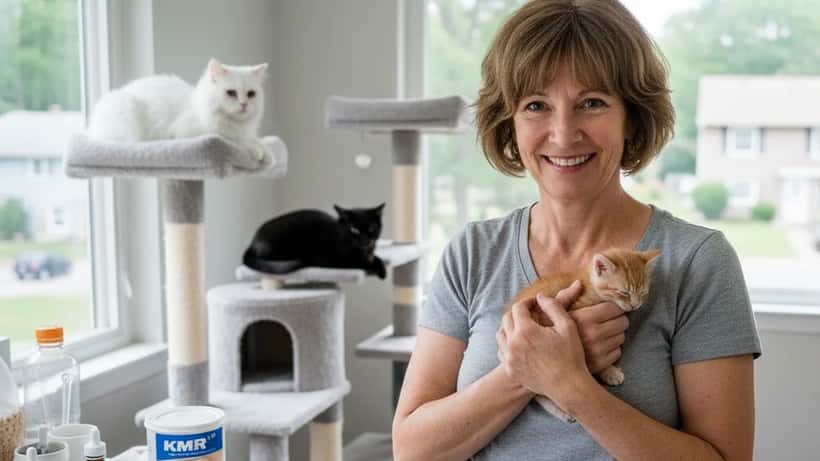
A lawsuit filed on April 5, 2026, against Howard and Beth Stern by former executive assistant Leslie Kuhn has put Beth Stern's legendary cat rescue operation back in the spotlight. The complaint — which Howard Stern moved to dismiss on May 1, calling it a "transparent shakedown" — references Beth's extensive at-home fostering work as a source of workplace demands. With over 900 cats fostered across her career and a role as national spokesperson for North Shore Animal League America, Beth Stern has long been one of the country's most visible animal rescue advocates. Her story raises a question that matters to every foster pet parent in America: what does proper veterinary care for a foster animal actually look like?
The Lawsuit and What It Reveals About Large-Scale Fostering
The April 2026 lawsuit doesn't allege any wrongdoing related to the animals themselves. But it does highlight the logistics of running what is, in effect, a private rescue operation from a private home. Managing foster cats involves coordinating veterinary appointments, administering medications, monitoring health conditions, and knowing when a kitten or adult cat needs emergency care.
Beth Stern's operation is exceptional in scale. She founded Bianca's Furry Friends Feline Adoption Center at North Shore Animal League, a cage-free, vet-equipped adoption space in Port Washington, New York. She hosted the Great American Rescue Bowl on February 8, 2026, on Great American Family, advocating for shelter pet adoption nationwide. Her 2026 book "Coco and Stephen, Together Forever" continues her work spotlighting rescue animals. And she currently shares her home with six adopted cats — Walter, Bella, Pebble, Helen Rose, Cocomelon — and a rabbit named Jessica Rabbit.
Most foster families are not Beth Stern. But the veterinary challenges she navigates are the same ones that confront any household that takes in a foster pet.
The Medical Reality of Fostering Cats
Foster cats — especially kittens — arrive with unknown medical histories and a range of health conditions. According to the ASPCA, the most common health issues in recently surrendered or rescued cats include upper respiratory infections, parasites (fleas, ear mites, roundworms, ringworm), malnutrition, and trauma-related injuries.
Neonatal kittens (under four weeks old) are particularly vulnerable. Without their mother, they require feeding every two to three hours, precise temperature management, and daily weight monitoring. A kitten that loses more than 10% of its body weight in 24 hours is in medical distress. Even experienced foster caregivers often miss early warning signs that a vet would catch immediately.
For adult cats, stress-triggered conditions are the primary concern. Upper respiratory infections (URIs) — runny nose, sneezing, eye discharge — are the most common intake diagnosis and can deteriorate quickly in immunocompromised animals. Ringworm, a fungal infection rather than a worm, is highly contagious and often misidentified as a minor skin issue.
Five Signs Your Foster Cat Needs a Vet — Not a Home Remedy
Experienced fosters learn to distinguish minor adaptation stress from genuine medical emergencies. Veterinarians consistently flag these five warning signs that require professional attention, not watchful waiting:
1. Not eating for more than 48 hours. In cats, prolonged food refusal can trigger hepatic lipidosis (fatty liver disease) within days — a life-threatening condition that requires intravenous nutrition therapy.
2. Breathing difficulties or open-mouth breathing. Cats are obligate nasal breathers. Open-mouth breathing at rest signals respiratory distress and needs immediate evaluation.
3. Lethargy combined with fever or hypothermia. A rectal temperature below 99°F or above 104°F in a cat is an emergency. Foster caregivers with large operations like Beth Stern's typically maintain a rectal thermometer and a heating pad protocol for exactly this reason.
4. Diarrhea lasting more than 24 hours in kittens. Young kittens dehydrate rapidly. What appears as a minor stomach issue can become fatal within hours without fluid support.
5. Swollen, weeping eyes that don't improve within 48 hours. Herpesvirus (feline rhinotracheitis) is lifelong and chronic; early antiviral intervention reduces long-term corneal damage.
What Fostering Organizations Expect of Veterinary Care
North Shore Animal League and other large rescue organizations typically pair fosters with a network veterinarian who provides discounted or covered care for foster animals. This model exists because the economics of fostering only work if medical costs don't fall entirely on the foster family.
But gaps exist. Not every rescue organization has a vet network. Rural fosters may have limited access to feline-specialist care. Emergency visits — a common reality when fostering medically fragile animals — are rarely fully covered by rescue stipends.
This is where a private veterinarian familiar with feline rescue medicine becomes essential. A vet who understands the specific disease profiles of shelter and rescue cats — and who is available for urgent consultations — makes a measurable difference in survival rates for neonatal fosters.
How to Find a Vet Who Understands Rescue Medicine
Not all veterinary practices are equally equipped to handle the health profile of a rescue cat. When choosing a vet for foster animals, experienced fosters recommend asking specifically about experience with shelter medicine, ringworm protocols, and neonatal kitten care.
Platforms like Expert Zoom connect foster families with veterinary professionals who specialize in exactly these scenarios — whether for a one-time urgent consultation or ongoing support for a fostering household managing multiple animals at once.
Beth Stern has spent nearly two decades demonstrating that responsible animal rescue is a serious commitment with real medical dimensions. For the thousands of Americans inspired by her work to take in their first foster cat in 2026, knowing when to call a vet — and having the right one on call — is the single most important preparation they can make.
Disclaimer: This article is for informational purposes only and does not constitute veterinary advice. Always consult a licensed veterinarian for guidance specific to your animal's health needs.
