 Ava Sterling
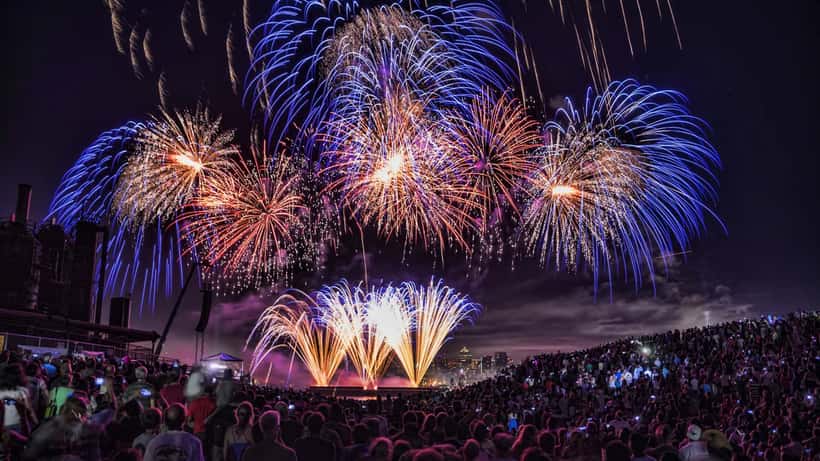
Seattle's Seafair Fourth of July fireworks returned to Lake Union on the night of July 4, 2026, drawing hundreds of thousands of spectators to Gas Works Park and Lake Union Park for a 20-minute choreographed show — 10,000 pounds of fireworks launched over the water to mark America's 250th birthday. What the crowd experienced as a spectacular celebration, millions of dogs and cats across the Pacific Northwest experienced as something far more frightening.
Why Fireworks Are So Traumatic for Pets
Dogs can detect sounds at four times the distance humans can, according to the American Veterinary Medical Association (AVMA). That means a fireworks burst that feels exciting at the viewing area may register as an overwhelming sensory assault for a dog nearby — or even blocks away. The combination of unpredictable loud booms, bright flashes, and the smell of gunpowder can trigger a full fear response, sending even otherwise calm animals into panic.
Cats, though less expressive, are equally affected. They tend to hide, stop eating, and show signs of acute stress for hours after exposure. Urinary tract issues and other health complications have been linked to prolonged stress episodes in cats, making fireworks one of the more insidious health events in the veterinary calendar.
The Numbers: America's Worst Day for Lost Pets
July 5 is the single day when more stray animals arrive at shelters than any other day of the year. Shelters report a 30 to 60 percent spike in lost pet intakes in the days immediately following the Fourth of July, and nearly one in five lost pets goes missing after being startled by loud noises — fireworks and thunderstorms being the leading causes.
In Seattle, where the Seafair celebration spans multiple parks and unofficial fireworks are set off in neighborhoods across the city well past midnight, the noise exposure window extends far beyond the official 10:15 p.m. show start. For pet owners in the University District, Capitol Hill, Ballard, and West Seattle, the chaos of surrounding community displays can last until 1 or 2 a.m.
By the time an owner notices their dog is gone, they have often already slipped the fence or bolted through an open door. The panic reaction in dogs is involuntary — it is not misbehavior, it is survival instinct.
What Your Veterinarian Can Do
This is precisely where professional veterinary guidance matters. For animals with a known history of anxiety, a licensed veterinarian can prescribe situational medications that make a dramatic difference. The two most commonly used options are trazodone, a short-acting anxiolytic, and gabapentin, which blunts the nervous system's alarm response.
Both work significantly better when introduced in a 2-4 week window before the noise event — not the night before. If your pet was not seen by a vet ahead of this year's July 4, now is the time to book an appointment before next summer's fireworks season. For dogs with severe noise phobia, a behavior consultation may be recommended alongside medication.
Over-the-counter calming aids — including melatonin chews, ThunderShirts, and pheromone diffusers — can help in milder cases, but should be discussed with your veterinarian before use, particularly if your animal takes other medications.
For broader context on managing pet stress during loud celebrations, see how veterinarians approached similar anxiety spikes during World Cup 2026 festivities.
What You Can Do Right Now
Even if it is too late for full medication titration this season, there are steps you can take immediately to reduce your pet's distress.
Create a safe zone: move your pet to an interior room as far from exterior walls as possible, close curtains to block light flashes, and add familiar bedding and toys. A fan, white noise machine, or calming playlist can take the edge off the percussive bursts outside — several playlists designed specifically for dogs are available on major streaming platforms.
Take outdoor breaks well before sunset. Walk your dog by 7 p.m. if possible so they have had adequate exercise and a final bathroom break before the noise begins. Do not take your pet to Gas Works Park, Lake Union Park, or any public viewing area — the crowd, heat, and sustained explosive noise make these environments a genuine welfare risk for any animal.
Most importantly, check your pet's microchip registration tonight. According to the American Veterinary Medical Association, microchipped dogs are more than twice as likely to be reunited with their owners as those without chips — but only if the contact information in the national database is current. Update your details now, before another dog goes missing on a night like this.
Recognizing Signs That Require Veterinary Attention
Most animals recover within a few hours of the noise subsiding. However, some signs indicate your pet needs prompt evaluation by a licensed veterinarian:
- Trembling that continues several hours after fireworks have ended
- Refusal to eat or drink into the following day
- Sudden aggression or disorientation
- Self-injury such as excessive scratching at skin, paws, or face
- Hiding continuously for more than 12 hours after the event
- Signs of cardiac stress: labored breathing, pale gums, or collapse
If you observe any of these symptoms, contact your veterinarian or an emergency animal clinic without delay.
Note: this article provides general information for educational purposes. Always consult a licensed veterinarian for diagnosis, treatment, or medication decisions for your pet.
When to Consult an Expert
For Seattle pet owners, the Seafair celebration is annual — which means the stress exposure is predictable and preventable. A single consultation with a veterinarian in early June can result in a tailored plan covering the right medication, the right dose, and the right timing. For pets with chronic anxiety that extends beyond noise sensitivity, a longer behavioral management program may be the appropriate next step.
ExpertZoom connects pet owners with licensed veterinarians and animal behavior specialists across the Pacific Northwest. Whether your concern is fireworks anxiety, nutrition, or a post-celebration health check, a professional consultation is available on demand.
Seattle's fireworks season does not have to be your pet's worst week of the year. With the right preparation and the right expert by your side, it can be just another summer night.
