 Marcus Samuel
Japan's Historic 4-0 Win Over Tunisia Fuels WC2026 Celebrations — But Is Your Pet Paying the Price?
Japan dismantled Tunisia 4-0 on June 21, 2026, at Estadio BBVA in Monterrey, with Daichi Kamada opening the scoring in minute 4 and Ayase Ueda netting a brace before Kaoru Mitoma sealed the rout. The result sent shockwaves through WC2026 Group F and ignited massive watch-party celebrations across the United States. From Los Angeles to Miami, living rooms erupted with cheering, air horns, and impromptu street gatherings. But amid the noise, one group is silently suffering: your pets.
Why WC2026 Celebrations Are a Hidden Risk for Household Pets
The 2026 FIFA World Cup, co-hosted by the United States, Canada, and Mexico, has already produced breathtaking moments. Japan's dominant opening win — the biggest margin of victory in Group F — drew millions of US viewers. With more than 62 million Spanish speakers in the country, searches like "posiciones de selección de fútbol de túnez contra selección de fútbol de japón" trended nationwide as fans tracked the live Group F standings in real time.
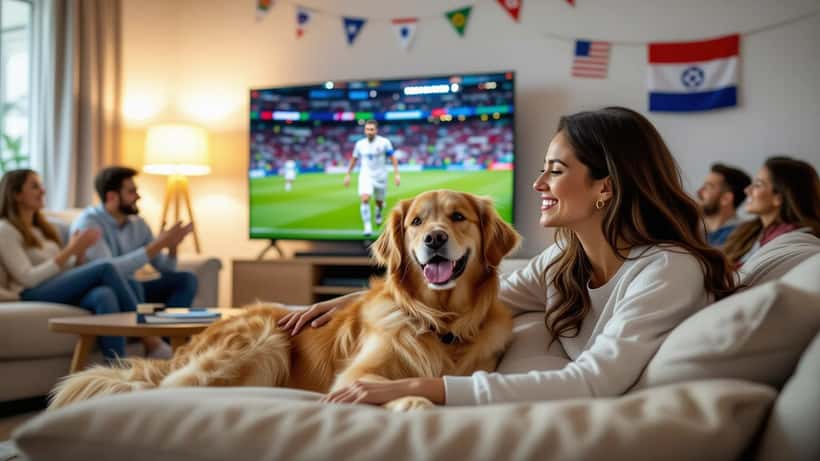
That level of audience excitement creates an unpredictable sensory environment for household animals. Sudden bursts of crowd noise, blaring televisions, group gatherings with unfamiliar voices, and informal post-goal fireworks in neighborhoods can trigger acute stress responses in dogs and cats.
According to the Merck Veterinary Manual, noise anxiety and fear-based behavioral problems are among the most common conditions seen in clinical veterinary practice, with noise phobia estimated to affect a significant proportion of companion dogs in the United States. During major sporting events, emergency veterinary clinics across the country report spikes in calls from worried pet owners who noticed unusual behavior in their animals during and after match broadcasts.
5 Warning Signs Your Pet Is Stressed by WC2026 Watch Parties
1. Trembling or shaking without a physical cause
If your dog is shaking during the match — not from cold or illness — it is a classic fear response. This physiological reaction floods the body with adrenaline and cortisol, the same stress hormones triggered by thunderstorms or fireworks. Trembling lasting more than 20 minutes, or occurring repeatedly across multiple matches, warrants a call to your veterinarian.
2. Hiding or attempting to escape
Cats instinctively retreat when overwhelmed by sensory input. If your cat disappears under the bed when crowd noise peaks on the TV, they are self-regulating by reducing stimulation. Dogs that pace behind furniture, scratch at doors, or try to slip out of the yard during celebrations show the same avoidance behavior. A veterinarian can recommend safe hiding-zone arrangements and assess whether calming aids are appropriate.
3. Destructive behavior or house-soiling
A dog that never chews furniture suddenly destroying pillows during a Group F broadcast is not being defiant — they are overwhelmed. The same applies to accidents inside the house from an otherwise reliably trained adult dog. These behaviors signal that the stress response has exceeded the animal's coping threshold. Punishment worsens the anxiety; professional veterinary guidance is the right next step.
4. Excessive panting, drooling, or open-mouth breathing
Dogs pant to regulate temperature, but stress panting looks different — rapid and shallow, paired with flattened ears and a tucked tail. Excessive drooling with no food present is another stress marker. In cats, open-mouth breathing is rare and abnormal: if your cat breathes with its mouth open during a loud celebration sequence, contact a vet immediately, as this can indicate severe distress or respiratory compromise.
5. Loss of appetite or refusal to drink water
If your pet skips a meal during a WC2026 watch party or in the hours that follow, their nervous system is in fight-or-flight mode and redirecting metabolic resources away from digestion. Appetite loss lasting more than 24 hours in cats or 48 hours in dogs requires veterinary attention. Dehydration can develop faster than most owners expect, particularly in anxious animals that are also panting heavily.
What You Can Do During the Rest of the Tournament
Several evidence-based strategies can reduce your pet's noise anxiety during WC2026 without prescription medication.
Create a quiet sanctuary. Designate a room away from the main viewing area where your pet can retreat with familiar bedding, a worn piece of your clothing, and favorite toys. A white noise machine or calming music playlist can mask sudden crowd surges from the broadcast.
Use pressure wraps. Snug-fitting garments that apply gentle pressure have shown efficacy in reducing cortisol-related behaviors in noise-sensitive dogs in multiple veterinary studies. Fitting the wrap before the match starts — not during a stress peak — produces better results.
Avoid excessive reassurance. While comforting a frightened pet feels natural, over-reassurance can reinforce the anxious response. Instead, model calm behavior and maintain your normal household routine during the broadcast, signaling to your pet that nothing threatening is occurring.
Consider pheromone diffusers. Products containing synthetic dog-appeasing pheromone (DAP) or feline facial pheromone have been shown in controlled studies to reduce stress-related behaviors in companion animals without sedation. They work best when installed one to two hours before anticipated noise events.
Limit outdoor access after major goals. Informal fireworks and car horns in dense urban neighborhoods are common following unexpected results. Japan's 4-0 scoreline against Tunisia was precisely that kind of shock result. Keep dogs on leash and avoid outdoor time in the 30 minutes after the final whistle or significant goals.
When Home Strategies Are Not Enough: Call a Vet
If your pet's anxiety is severe — involving self-injury attempts, prolonged panic episodes, or refusal to eat across multiple days — home management strategies are not sufficient. A licensed veterinarian can assess whether short-term prescription anti-anxiety medication is appropriate for the remaining weeks of the WC2026 schedule, which runs through the final on July 19, 2026.
Behavioral veterinarians can also design systematic desensitization programs that expose pets to recorded crowd noise at gradually increasing volumes, reducing the fear response over days or weeks. This gold-standard approach, combined with counter-conditioning using high-value food rewards, addresses the root cause of noise phobia rather than simply managing symptoms.
Japan's path through WC2026 is far from over — and if their clinical 4-0 performance against Tunisia is any guide, there will be more celebrations ahead. Understanding how World Cup-level sporting excitement can affect pet wellbeing is the first step to ensuring your entire household — four-legged members included — stays safe through July.
If you noticed any of the five warning signs during today's match, connecting with a veterinarian through ExpertZoom can give you answers fast, without waiting for an emergency clinic appointment.
This article is for general informational purposes only and does not constitute veterinary advice. Always consult a licensed veterinarian for diagnosis, treatment, and care specific to your pet's health needs.
