 Jessica Johnson
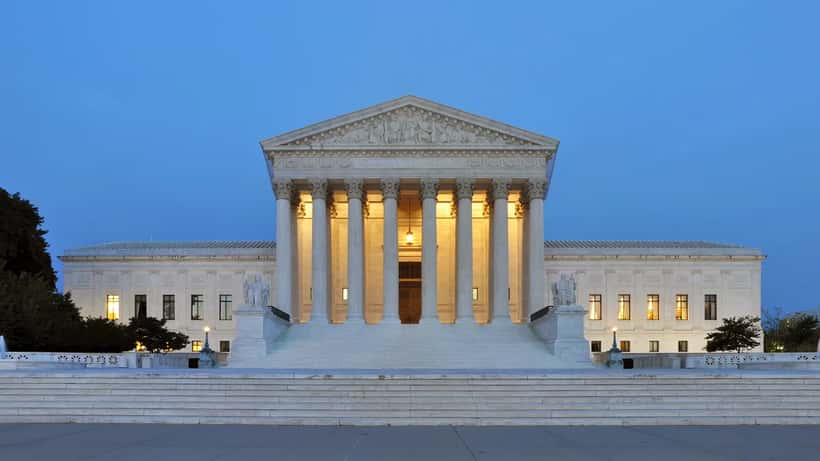
The Supreme Court of the United States delivered a barrage of consequential decisions on June 30, 2026 — the final day of its term — reshaping immigration law, civil rights protections, and the boundaries of presidential power in ways that will directly affect millions of Americans. Legal experts say this year's term ranks among the most transformative in decades, and for ordinary citizens, the rulings raise urgent questions about rights, status, and recourse.
Birthright Citizenship: A 14th Amendment Battle Resolved
The most-watched ruling of the term came down 5-4: the Court struck down President Trump's executive order that sought to end automatic citizenship for children born on U.S. soil to non-citizen parents. The order, signed on Trump's first day back in office in January 2025, would have limited birthright citizenship to children with at least one parent who is a citizen or lawful permanent resident.
The majority held that the 14th Amendment's language — "All persons born or naturalized in the United States, and subject to the jurisdiction thereof, are citizens" — leaves no room for executive reinterpretation without a constitutional amendment. For families who have been living under legal uncertainty since that order was issued, this decision closes a year and a half of anxiety. However, immigration attorneys caution that the ruling does not automatically resolve every pending case arising from the order's enforcement period.
"Anyone whose citizenship documentation was affected or delayed because of the executive order should consult an immigration lawyer to understand their current legal standing," said one Washington-based immigration attorney familiar with the litigation. "The ruling is clear on the constitutional principle, but administrative remedies may still be needed for individual cases."
If you or a family member faced citizenship challenges tied to this order, this is the moment to seek qualified legal counsel to clarify your status and pursue any necessary corrective filings. An experienced lawyer at ExpertZoom can help you understand how today's ruling applies to your specific situation.
Transgender Athletes: State Bans Upheld
In a second major ruling announced the same morning, the Court upheld state laws in West Virginia and Idaho that bar transgender athletes from competing in girls' and women's sports. The 6-3 decision affirms that states may legislate in this area without running afoul of federal anti-discrimination law, at least as currently written by Congress.
The ruling leaves in place a patchwork of state-level restrictions that legal advocates say will now face fewer constitutional challenges. For schools, athletic programs, and individual students navigating participation rights, the legal landscape has shifted decisively. Civil rights attorneys warn that disputes over implementation — which students are affected, what documentation schools can require, and what remedies exist for affected athletes — will generate significant litigation in the months ahead.
If you are an athlete, parent, or school administrator dealing with questions raised by this ruling, consulting a civil rights or education lawyer is advisable before making policy decisions.
Campaign Finance Limits Struck Down
The Court also struck down longstanding Federal Election Commission rules that capped how much a national political party committee could spend in coordination with individual candidates. The ruling effectively means that a single donor can now contribute up to $550,000 to boost a specific candidate through coordinated party activity, overturning restrictions that had been in place for decades.
This decision has immediate consequences for elections law practitioners, political campaigns, and donors. According to legal experts, it dramatically expands what "coordinated expenditures" can accomplish and opens new strategies for campaign fundraising and spending. Organizations and individuals involved in campaign activities should review their compliance posture with an election law attorney, since the rules governing acceptable coordination have materially changed as of today.
Presidential Power Over Independent Agencies
One day earlier, on June 29, the Court handed down a 6-3 ruling further cementing executive power over independent agencies. The case arose from President Trump's 2025 firing of Federal Trade Commissioner Rebecca Kelly Slaughter without cause, an act that had been blocked by lower courts citing a 91-year-old precedent limiting presidential removal authority.
The Court found the firing lawful, extending a doctrine that has been building since the 2020 Seila Law decision. In practice, this means the president now has broader authority to remove commissioners and board members from agencies like the FTC, NLRB, and CFPB without needing to cite misconduct or cause.
For businesses regulated by these agencies, this ruling creates real uncertainty. If the composition of these commissions can shift rapidly based on presidential will, enforcement priorities and regulatory interpretations could change with far less predictability. Legal counsel specializing in administrative and regulatory law should be consulted by any company with active matters before independent agencies.
Temporary Protected Status: Broad Executive Discretion
Also decided this term was Mullin v. Doe, in which the Court ruled 6-3 that the president has virtually unreviewable authority to terminate the Temporary Protected Status (TPS) program. Justice Samuel Alito, writing for the majority, held that TPS terminations are essentially a political decision beyond the reach of judicial challenge.
According to U.S. Citizenship and Immigration Services data, more than 700,000 individuals currently hold TPS designations from countries including El Salvador, Haiti, Honduras, and Ukraine. The ruling does not immediately end TPS for anyone, but it removes a significant judicial check on the executive's ability to do so in the future.
For TPS holders, this decision is a warning signal. Immigration attorneys are urging TPS beneficiaries to proactively explore whether they qualify for other forms of immigration relief — such as family-based petitions, asylum, or employment-based visas — rather than relying on TPS as a long-term solution. An immigration lawyer can assess your individual situation and identify the most stable path forward.
What You Should Do If These Rulings Affect You
Today's decisions collectively shift rights and responsibilities across several domains. Here is a practical summary:
If you are an immigrant or child of immigrants: Consult an immigration attorney to verify your citizenship or status documentation is accurate and complete in light of the birthright citizenship ruling's corrective implications.
If you work in education or athletics administration: Get legal guidance before implementing or enforcing any policy changes related to the transgender athletes decision.
If you are involved in political campaign activities: Review your compliance obligations with an elections law attorney, as the campaign finance ruling opens new avenues but also new risks if procedures are not properly followed.
If your company is regulated by an independent federal agency: Speak with an administrative law attorney about how the executive removal ruling may affect the regulatory environment for your sector.
The Supreme Court's term is now closed, but the real-world effects of these rulings are just beginning to unfold. Legal advice tailored to your personal or professional circumstances is the most effective way to navigate the changes — and to protect your rights before disputes escalate.
This article is for informational purposes only and does not constitute legal advice. Consult a licensed attorney regarding your specific situation.
