 Davis Caesar
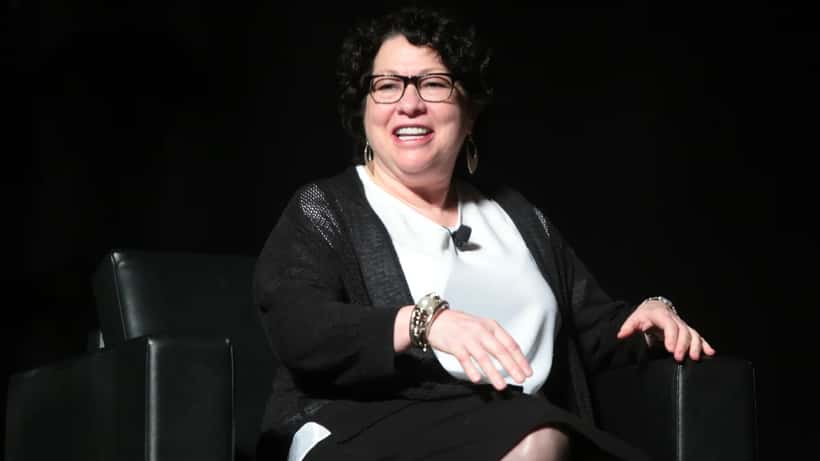
Justice Sonia Sotomayor issued a rare public apology to Justice Brett Kavanaugh on April 15, 2026, after publicly criticizing him as "out of touch with the working class" during a law school appearance — a breach of the Supreme Court's traditional collegiality that has reignited debate about judicial accountability and immigration enforcement.
What Sotomayor Said — and Why It Matters
On April 8–9, 2026, Justice Sotomayor spoke at the University of Kansas School of Law, where she publicly rebuked Kavanaugh for his concurrence in Noem v. Vasquez Perdomo, a September 2025 shadow docket ruling that allowed Immigration and Customs Enforcement (ICE) and Customs and Border Protection (CBP) to resume enforcement sweeps in the Los Angeles area.
In her remarks, Sotomayor said Kavanaugh "probably doesn't really know any person who works by the hour" — a personal jab that crossed what legal scholars say is an unspoken but firm boundary between justices. By April 15, she had walked it back: a rare public apology between sitting Supreme Court justices.
The ruling at the center of the dispute is what critics have dubbed "Kavanaugh stops" — ICE enforcement actions that permit officers to detain individuals based, at least in part, on their "apparent ethnicity." Civil liberties organizations have challenged these stops as a form of racial profiling that violates the Fourth and Fourteenth Amendments.
The Immigration Case Behind the Tension
Noem v. Vasquez Perdomo is not just a legal technicality. The shadow docket ruling — issued without full briefing or oral argument — restored enforcement authority the Trump administration had sought, authorizing sweeps targeting Latino communities in the Los Angeles metropolitan area.
Shadow docket rulings are increasingly controversial because they allow the Supreme Court to make consequential decisions quickly, with limited transparency. Sotomayor has been among the Court's most vocal critics of this practice, according to the U.S. Supreme Court's official case records.
For immigrants and their families, the practical consequences are significant. "Ethnic stop" authority means that being Latino in a targeted area can be sufficient grounds for an ICE encounter — even without a warrant, without prior contact with law enforcement, and without a criminal record.
What Does This Mean for Immigrants' Legal Rights?
The Sotomayor-Kavanaugh exchange has made one thing clear: the Supreme Court is deeply divided on immigration enforcement, and the rights of millions of people hang in that division.
If you or someone you know has been stopped, detained, or questioned by immigration authorities, understanding your rights is essential:
You have the right to remain silent. Under the Fifth Amendment, you are not required to answer questions about your immigration status or country of origin.
You have the right to refuse consent to a search. ICE officers without a judicial warrant cannot enter your home. A warrant signed by a judge (not an administrative warrant) is required for home entry.
You have the right to speak with an attorney. This right applies to everyone on U.S. soil, regardless of immigration status. An experienced immigration attorney can assess whether a stop or detention was lawful and whether grounds exist for a challenge.
Documentation matters. If you believe you were stopped based on your ethnicity alone, record the date, time, location, officer badge numbers if visible, and what was said. This information is critical if a legal challenge is pursued.
How a Lawyer Can Help
The "Kavanaugh stops" ruling does not mean all stops are legal. Each encounter must still meet constitutional standards. An immigration attorney can:
- Review whether the stop met Fourth Amendment requirements for reasonable suspicion
- Advise on your options if detained, including bond hearings and removal proceedings
- File complaints with the Department of Homeland Security's Office for Civil Rights if racial profiling is documented
- Represent you in removal proceedings, where procedural errors can be grounds for dismissal
This is precisely the kind of situation where consulting an attorney early — before a removal order is issued — dramatically improves outcomes. Courts have consistently ruled that delays in seeking legal counsel in immigration cases lead to fewer options.
The Bigger Picture: Courts, Accountability, and Your Rights
Sotomayor's apology, while personal, reflects the strain inside the nation's highest court. When justices openly clash over whether enforcement actions are constitutional, the uncertainty flows downward — into the lives of ordinary people navigating an increasingly complex immigration system.
The release of her apology on April 15, 2026, the same day as today's trending news, underscores how quickly a judicial dispute can become a matter of public concern. For immigrant communities, it is a reminder that legal protection requires active, informed steps — not passive waiting.
YMYL Disclaimer: This article provides general legal information only and does not constitute legal advice. Immigration law is complex and situation-specific. Consult a licensed immigration attorney for guidance on your specific circumstances.
If you have questions about your rights following an ICE encounter or immigration enforcement action, connecting with a qualified legal expert is the most important step you can take.
