 Christopher Adams
A liquefied petroleum gas explosion tore through the Jaguaré neighborhood of São Paulo on May 11, 2026, killing one person, injuring three others, and destroying or seriously damaging approximately ten homes. Brazil's largest city deployed 12 fire engines to the scene. Local fire officials confirmed that an LPG blast was the likely cause — the same type of gas that heats water, powers stoves, and fuels outdoor grills in tens of millions of American homes.
The tragedy is a reminder of a hazard that rarely makes headlines until something goes wrong: the invisible, pressurized risk that sits in tanks, pipes, and appliances across the country.
What LPG Is and Why It Matters to US Homeowners
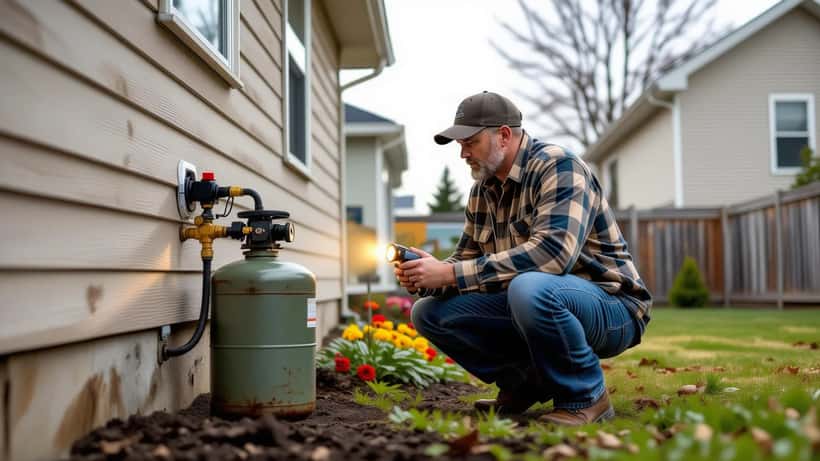
Liquefied petroleum gas — commonly sold as propane in the United States — is widely used in rural and suburban areas where natural gas pipelines do not reach. According to the US Consumer Product Safety Commission (CPSC), propane is also used in portable generators, outdoor grills, water heaters, and industrial equipment.
Unlike natural gas, which has a utility company responsible for maintaining the supply infrastructure, propane is typically stored in tanks owned or leased by individual homeowners. The responsibility for maintenance, proper storage, and equipment compatibility often falls to the property owner — not the energy company.
That distinction has significant legal and financial consequences when something goes wrong.
The Liability Gap: Who Pays When a Gas Explosion Damages Your Property
In the São Paulo case, the blast damaged neighboring homes beyond the one where the incident originated. For US homeowners in a comparable situation, the legal questions are immediate and complex.
If the explosion starts on your property: Your homeowner's insurance policy may cover structural damage to your own home. However, if the explosion spreads to neighboring structures or injures a neighbor, you may face personal liability for those losses. Standard homeowner's liability coverage typically applies, but the limits may be inadequate for multi-property damage scenarios.
If a neighbor's explosion damages your home: Your own insurance policy generally responds first — even if you were not at fault. You would then need to pursue recovery from the at-fault neighbor or their insurer, a process that often requires legal assistance.
If a faulty appliance caused the blast: When a defective water heater, regulator, or gas line component is the root cause, a product liability claim against the manufacturer may be available. These claims require documentation of the defect and typically benefit from expert legal support.
Understanding which layer of liability applies — and whether your coverage is adequate — is not something most homeowners think about until after an incident. It should be part of an annual review.
What Triggers Home Insurance Exclusions in Gas Incidents
Not all gas-related damage is automatically covered. Standard homeowner's policies routinely exclude:
Neglect and deferred maintenance. If a gas appliance or connection was visibly corroded, improperly installed, or had not been serviced according to manufacturer guidelines, an insurer may argue that the damage resulted from negligence rather than a sudden accident. In that case, the claim may be denied entirely.
Intentional acts. If investigators determine that a gas line was tampered with or that the explosion was not accidental, coverage is almost certainly void.
Business activities on residential property. Homeowners who operate a business from their residence — including those using propane for commercial cooking or agricultural equipment — may find that their residential policy excludes incidents connected to commercial activities.
Reviewing the exclusions in your current policy before an incident, rather than reading them for the first time after one, is the single most actionable step a homeowner can take.
Practical Steps After Any Gas Incident — Even a Minor One
Experienced property attorneys advise homeowners to take the following steps immediately after any gas-related incident on or near their property:
Photograph and document everything before cleanup. Even if the damage seems minor, comprehensive photo and video documentation of the scene — before any repairs or debris removal — is critical for any insurance claim or legal proceeding that may follow.
Report to your insurer within 24 hours. Most policies have prompt-notification requirements. Waiting to report a loss — even by a few days — can complicate or void your claim.
Do not admit fault or sign anything at the scene. Statements made in the immediate aftermath of an incident are often used in later legal proceedings. Anything you say to a neighbor, a contractor, or a first responder can become evidence.
Request the fire department incident report. Official first responder documentation establishes the timeline and identified cause of the incident. This report is one of the most important documents in any subsequent insurance or liability proceeding.
Consult a property attorney before making structural repairs. If another party may bear liability for your damage, making repairs before that party has been formally notified — and before an inspection has been conducted — can eliminate your ability to recover those costs.
Getting the Coverage Right Before the Next Incident
The São Paulo explosion injured people and destroyed property that had nothing to do with the original hazard. The homeowners affected had no advance warning. The only meaningful protection available to them was whatever coverage and legal resources they had in place before May 11.
For US homeowners, that preparation means reviewing liability limits, confirming appliance maintenance records, and understanding exactly what your policy covers — and what it does not. A qualified attorney who specializes in property and homeowner liability can walk you through your coverage gaps and advise on whether additional umbrella insurance or documentation is appropriate for your situation.
ExpertZoom connects you with verified home improvement and property law professionals who can assess your current situation and help you prepare before the next unexpected event occurs.
This article is for informational purposes only and does not constitute legal or insurance advice. Consult a qualified attorney or insurance professional for guidance specific to your situation.
