 Lucas Price
Salt Lake City Fire 2026: What Homeowners Must Know About Insurance Claims and Contractor Fraud
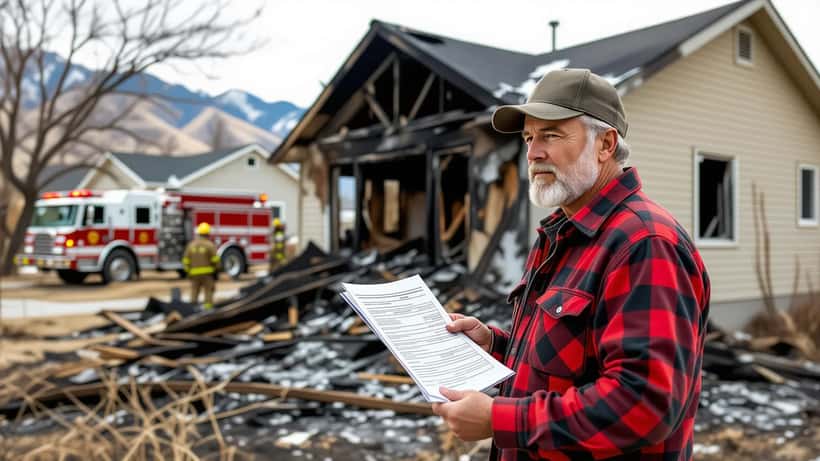
A significant fire event in Salt Lake City in 2026 has left hundreds of residents scrambling to assess damage, contact insurers, and find reliable contractors — all while facing the emotional aftermath of property loss. If your home or business was affected by a fire in the Salt Lake City area, the decisions you make in the first 72 hours can have a major impact on the compensation you receive and whether your repairs are done correctly.
Here is what every affected homeowner needs to know — from filing your initial claim correctly to protecting yourself from contractor fraud.
Document Everything Before Touching Anything
Before calling a contractor or beginning any cleanup, documentation is your most valuable asset. Insurance adjusters are trained to minimize payouts, and gaps in your documentation give them leverage.
Take time-stamped photos and video of every room, every damaged surface, and every destroyed item. Do not throw away any damaged belongings — salvage documentation matters when proving the extent of your loss. If the fire department responded, request a copy of the incident report, which serves as an official record of the event and cause.
Notify your insurance company as soon as possible. Most homeowner policies require "prompt notice" after a covered loss, and delaying notification — even by a few days — can give an insurer grounds to question your claim.
How Fire Insurance Claims Actually Work in Utah
Utah homeowners with standard HO-3 policies are generally covered for fire damage under the "open perils" structure, meaning fire is covered unless specifically excluded. However, the claims process has several pressure points where disputes commonly arise.
Actual Cash Value vs. Replacement Cost Value. Many policies pay actual cash value (ACV) by default — meaning the depreciated value of your belongings and structure, not what it costs to replace them. If your policy includes a replacement cost value (RCV) endorsement, you are entitled to the full cost of rebuilding or replacing items with new equivalents. Review your declarations page immediately and, if needed, ask an attorney to help you interpret the language.
Code upgrade coverage. If your home was built before current Utah building codes, repairs may need to bring the structure up to code — work that is often not covered unless you have "ordinance or law" coverage. This gap can leave homeowners thousands of dollars short of a full repair.
The adjuster is not your advocate. Insurance adjusters work for the insurance company. You have the right to hire a public adjuster — an independent professional who works on your behalf — or to consult an attorney if you believe the settlement offer is too low. In Utah, you can also request an appraisal process if you dispute the insurer's valuation.
According to the Utah Insurance Department, insurers must acknowledge a claim within 10 working days and pay or deny claims within 30 working days after receiving all required documentation. You can find consumer resources at https://insurance.utah.gov/consumer/.
Contractor Fraud Spikes After Every Major Fire Event
Following any large fire, communities attract out-of-state contractors and unlicensed operators who target distressed homeowners with lowball bids and disappear after collecting deposits. Salt Lake City is no exception — and the Utah Division of Occupational and Professional Licensing reports a consistent pattern of contractor fraud complaints following disaster events.
Warning signs of contractor fraud:
- Demands for large cash deposits upfront. Reputable contractors typically require 10-30% down, not 50-100%.
- No Utah contractor license. Every general contractor working in Utah must be licensed through DOPL. Verify at the DOPL online lookup at dopl.utah.gov before signing anything.
- Pressure tactics and "limited time" offers. Legitimate contractors will let you take time to review a written contract.
- No written contract. Verbal agreements are nearly impossible to enforce. Every scope of work, timeline, and payment schedule should be in writing.
- No proof of insurance. Contractors should carry general liability and workers' compensation insurance. Ask for a certificate of insurance — not just their word.
If a contractor takes your money and disappears or does shoddy work, you have legal remedies. Utah's Contractor Recovery Fund provides limited compensation to victims of licensed contractor fraud. For unlicensed operators, small claims court or a civil lawsuit may be appropriate — and a lawyer can advise whether the amount at stake justifies litigation.
What If Your Landlord's Property Was Damaged?
Renters in fire-affected areas face a distinct set of legal questions. Utah law (Utah Code § 57-22-6) requires landlords to maintain rental units in habitable condition. If a fire makes your unit uninhabitable and the landlord fails to repair within a reasonable timeframe, you may be entitled to:
- Terminate your lease without penalty
- Receive a prorated rent refund for lost days of habitable occupancy
- Recover moving costs if the loss was due to the landlord's negligence
Your renter's insurance — if you carry it — covers your personal belongings, temporary living expenses (additional living expense coverage), and liability. Your landlord's insurance covers the structure. These are separate policies with separate claims.
The Role of a Contractor or Lawyer After a Fire
The aftermath of a fire creates overlapping legal, financial, and construction decisions that most homeowners have never had to navigate before. An attorney specializing in property insurance disputes can help you:
- Review the insurance company's settlement offer against your actual loss
- File a bad faith claim if the insurer unreasonably delays or denies your claim
- Draft or review a contractor agreement to protect your interests
- Pursue legal action against a contractor who committed fraud or delivered defective work
Meanwhile, a licensed contractor with fire restoration experience can assess hidden smoke and water damage — often more extensive than visible fire damage — and provide an independent estimate that may support a higher insurance settlement.
Whether your loss is large or small, connecting with a qualified professional early in the process is the single best step you can take. ExpertZoom connects you with vetted lawyers and home improvement specialists who handle fire damage cases across Utah and the Mountain West.
This article provides general legal and home improvement information. For advice specific to your situation, consult a qualified professional.
