 Evelyn Carter
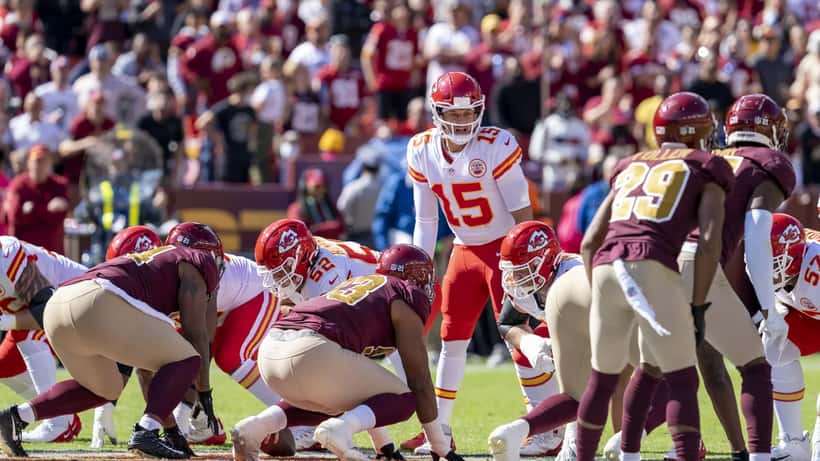
Patrick Mahomes, the Kansas City Chiefs' three-time Super Bowl MVP, tore both his ACL and LCL in his left knee during Week 15 of the 2025 NFL season against the Los Angeles Chargers. By June 2026 — roughly six months post-surgery — he is back on the field at OTAs, reportedly ahead of schedule, with his own medical team urging him to slow down. His case has become one of the most closely watched sports injury recoveries of the year. It also raises questions that matter for every athlete: What does a combined ACL and LCL tear actually involve, and what should non-professional athletes know about getting this type of injury diagnosed and treated correctly?
What a Combined ACL and LCL Tear Actually Means
The ACL (anterior cruciate ligament) runs diagonally through the center of the knee and stabilizes the joint during rotational movements — the cuts, pivots, and sudden direction changes that define nearly every sport. The LCL (lateral collateral ligament) reinforces the outer edge of the knee against sideways force. Tearing one of these structures alone is a serious, career-threatening injury. Tearing both simultaneously is among the most complex lower-body injuries in sports medicine.
Mahomes underwent reconstructive surgery shortly after the December 2025 injury. The standard recovery timeline for an isolated ACL reconstruction is 9 to 12 months. Combined ligament repairs, depending on the graft type, extent of secondary damage to cartilage or meniscus, and the individual's overall health, typically extend that timeline to 12 to 18 months.
Why Mahomes Is Back in Six Months — and Why Most People Wouldn't Be
Six months post-surgery, Mahomes is participating in 11-on-11 drills. This pace is genuinely exceptional, and it reflects a set of resources unavailable to most athletes:
- A full-time dedicated medical team: Orthopedic surgeons, physical therapists, athletic trainers, and nutritionists working in daily coordination
- Advanced rehabilitation technology: Cryotherapy chambers, neuromuscular stimulation, underwater treadmill therapy, and motion-capture gait analysis
- Zero competing obligations: Rehabilitation is his full-time job
- Elite pre-injury baseline: His cardiovascular and musculoskeletal conditioning gave the surgical repair optimal raw material to work with
According to the National Institute of Arthritis and Musculoskeletal and Skin Diseases (NIAMS), ACL reconstruction success rates are high overall, but functional outcomes depend heavily on the quality and consistency of post-surgical rehabilitation. This is precisely the variable where elite athletes hold a structural advantage over the general population — and why Mahomes' timeline should not be treated as a benchmark for recreational athletes.
Warning Signs That Mean You Need a Specialist Now
For non-professional athletes — weekend runners, youth sport participants, gym-goers, recreational league players — knowing when a knee injury requires specialist evaluation is critically important. Seek an orthopedic or sports medicine assessment immediately if you experience:
- A distinct "pop" sensation at the moment of injury
- Significant swelling within the first two to four hours
- The feeling that the knee is unstable or "giving out"
- Pain concentrated along the outer edge of the knee (a common LCL signal)
- Inability to bear full body weight within 24 hours of the injury
Delaying evaluation after a potential ligament tear allows secondary damage — particularly to the meniscus and articular cartilage — to develop and worsen. This secondary damage can transform a manageable injury into one requiring far more complex and expensive surgical intervention, with a correspondingly longer recovery timeline.
The Return-to-Sport Decision: Why Confidence Is Not Clearance
One of the clinically significant details in the Mahomes story is that his medical team has had to actively hold him back from pushing further. His determination to return is exceptional — and his physicians are still exercising restraint. This reflects a well-established principle in sports medicine: the subjective feeling of readiness does not reliably correspond to biological tissue readiness.
Research on ACL reconstruction outcomes consistently finds that athletes who return to sport before achieving full neuromuscular recovery face re-injury rates that can exceed 20% within two years. The reconstructed ligament may have adequate tensile strength on paper, but full proprioceptive function — the knee's ability to react and stabilize automatically during dynamic movement — takes longer to restore.
Sports medicine physicians use objective, validated benchmarks to determine actual readiness: single-leg hop tests, isokinetic strength symmetry ratios, and psychological readiness scales. These tools exist precisely because self-reported readiness is an unreliable indicator. For athletes recovering from combined ligament injuries, clearance from a sports medicine specialist is not optional — it is the difference between a successful comeback and a re-injury that may be more severe than the first.
Three Practical Lessons from Mahomes' Recovery
1. Begin rehabilitation immediately after surgery. Mahomes reportedly started his protocol the day after the procedure. Early mobility work and pre-surgical conditioning are both strongly associated with better long-term functional outcomes, and delay in beginning physical therapy is one of the most common recovery mistakes.
2. Professional oversight is not optional, even for motivated patients. The most determined athlete in the NFL needed his doctors to pump the brakes. A specialist's timeline is evidence-based, not overcautious — trust the benchmarks, not your gut.
3. Combined injuries require specialized expertise. Managing a simultaneous ACL and LCL tear is substantially more complex than either injury in isolation. If you suspect a multi-ligament knee injury, request a referral to an orthopedic surgeon with specific multi-ligament reconstruction experience, not a general practitioner who handles all musculoskeletal complaints.
For context on how knee health issues affect elite athletes across sports and what the recovery trajectory looks like over years, see how Steph Curry's patellofemoral syndrome is being managed at age 38.
This article is for informational purposes only and does not constitute medical advice. Consult a licensed healthcare professional for any health concerns or before making decisions related to your medical care.
Dealing with a knee injury or unsure whether your symptoms warrant specialist attention? A sports medicine physician or orthopedic expert on Expert Zoom can review your situation and build a recovery plan tailored to your activity level and goals.
