 Charles Jackson
A major crude oil discharge at the Louisiana Offshore Oil Port in late February 2026 is still generating legal and environmental fallout four months later, as cleanup crews continue recovering oil from Gulf waters and coastal barrier islands. The spill, caused by an offshore mechanical failure at the nation's only deepwater very large crude carrier terminal, released approximately 31,500 gallons of crude and has reignited debate over liability limits, environmental enforcement, and compensation for Gulf Coast businesses.
The LOOP Incident: What Happened
On February 26, 2026, personnel at the Louisiana Offshore Oil Port detected crude oil near the offshore facility approximately 18 miles south of Grand Isle, Louisiana. A mechanical failure at the deepwater terminal triggered the discharge, which federal officials estimate at roughly 750 barrels.
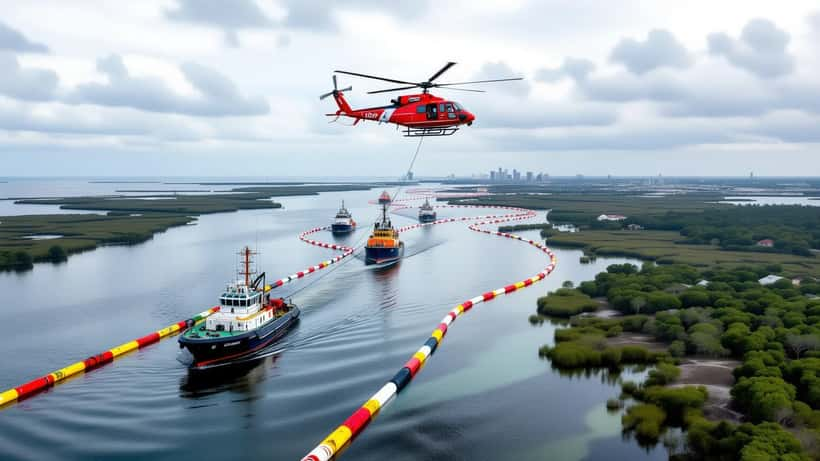
A Unified Command comprising the U.S. Coast Guard, the Louisiana Oil Spill Coordinator's Office, and LOOP operators mobilized immediately. By March 7, response teams had deployed 464 personnel, 60 vessels, and 28,300 feet of protective boom. Aerial surveillance using fixed-wing aircraft, helicopters, and drones tracked oil movement daily. Responders recovered approximately 27,888 gallons from open water, with smaller amounts removed from nearby barrier islands along the Louisiana coast.
The source of the leak has been secured, but environmental monitoring continues. The Louisiana Department of Wildlife and Fisheries and the U.S. Fish and Wildlife Service are assessing impacts on birds and shoreline habitats.
Legal Framework for Oil Spill Liability
Under the federal Oil Pollution Act of 1990, responsible parties face strict liability for cleanup costs and damages resulting from discharges into navigable waters. OPA 90 establishes a liability cap based on vessel tonnage or facility type, but these caps can be broken if the discharge results from gross negligence, willful misconduct, or violation of applicable safety standards.
For offshore facilities like LOOP, the responsible party must pay all removal costs plus damages for natural resource injuries, lost profits for commercial fishermen, property damage, and lost tax revenues for state and local governments. The federal Oil Spill Liability Trust Fund, financed by a per-barrel tax on imported and domestic oil, can advance cleanup costs when the responsible party disputes liability or is insolvent.
Who Can File Claims
Gulf Coast residents and business owners affected by the LOOP discharge may have standing to file claims under multiple theories. Commercial fishermen and oyster leaseholders can seek compensation for lost income if fishing grounds or breeding beds were contaminated. Charter boat operators, marinas, and coastal hotels may recover lost profits if the spill deterred tourism or recreation.
Property owners whose land or structures were oiled can demand restoration costs or diminution in value. Even businesses indirectly affected, such as seafood processors or fuel distributors, may have viable claims if they can demonstrate a clear economic chain linking the spill to their losses.
The Claims Process and Deadlines
OPA 90 requires claimants to present their demands to the responsible party first. If the responsible party denies the claim or fails to settle within 90 days, the claimant may sue in federal court or seek payment from the Oil Spill Liability Trust Fund. The statute of limitations for OPA claims is three years for property damage and economic loss claims, but claimants should document losses immediately rather than waiting.
Maritime attorneys who specialize in environmental liability advise claimants to preserve all records of income, expenses, and operational disruptions during the spill period. Photographs of oil on property, canceled bookings, and correspondence with customers or suppliers can all strengthen a claim. Independent expert testimony, such as marine biologists assessing damage to oyster beds or economists projecting lost revenue, is often necessary in complex cases.
Broader Implications for Offshore Infrastructure
The LOOP spill comes as the United States expands its deepwater oil export capacity. In February 2026, the Department of Transportation approved the Texas GulfLink Deepwater Oil Port, the first such facility licensed under the Trump administration. Located roughly 27 nautical miles off Brazoria County, Texas, GulfLink will enable VLCCs to load directly in the Gulf of Mexico.
Environmental groups and coastal advocates have raised concerns that increasing deepwater traffic elevates the risk of catastrophic spills. The LOOP incident, while smaller than the 2010 Deepwater Horizon disaster, demonstrates that even mechanical failures at established facilities can cause significant environmental and economic harm.
When to Consult a Lawyer
If you own or operate a business along the Louisiana coast and believe the LOOP spill affected your operations, consulting an attorney with experience in maritime and environmental law should be your first step. A qualified lawyer can evaluate your claim, negotiate with the responsible party or the Coast Guard claims process, and ensure you meet all filing deadlines and evidentiary requirements.
The NOAA Office of Response and Restoration incident news feed publishes official updates on active spill responses and can help affected parties track ongoing environmental assessments.
Disclaimer: This article provides general legal information and does not constitute legal advice. Oil spill claims are fact-specific and subject to strict deadlines. Affected parties should consult a qualified maritime or environmental attorney promptly.
