 Odette Caplan
On April 24, 2026, the Trump administration extended the Jones Act waiver by 90 additional days, allowing foreign-flagged vessels to transport oil, fuel, and fertilizer between U.S. ports through August 15. The initial waiver, issued on March 18 amid the Iran war's impact on global energy markets, was set to expire on May 17. The extension reflects continued pressure on domestic fuel prices — and reopens a long-running debate about one of American maritime law's most consequential and least-understood statutes.
For most people, the Jones Act is invisible. It operates in the background of every tanker that moves crude oil from Texas to New Jersey, every barge carrying grain on inland waterways, every ferry crossing between the mainland and Hawaii. When the White House suspends it — even partially, even temporarily — it signals that the law's costs have become politically untenable. Understanding what the Jones Act does, why it exists, and what the current waiver actually means for consumers and businesses is useful regardless of where you stand on trade policy.
What the Jones Act Actually Says
The Jones Act is the colloquial name for Section 27 of the Merchant Marine Act of 1920. It requires that goods transported by water between two U.S. ports must be carried on vessels that are: built in the United States, owned by U.S. citizens or entities, and crewed predominantly by U.S. citizens or permanent residents.
This applies to coastal shipping between the continental U.S., Hawaii, Alaska, Puerto Rico, and Guam. It does not apply to foreign trade — goods moving between a U.S. port and a foreign port can be carried on any vessel.
The law was enacted to protect the domestic maritime industry and ensure that the United States maintained a viable merchant fleet capable of supporting military logistics in wartime. Its supporters argue it has accomplished both goals. Its critics argue it has done so at enormous cost to consumers and to the competitiveness of U.S. industries that rely on water transport.
Why the Waiver Was Granted — and Extended
The Trump administration's original Jones Act waiver in March 2026 was a direct response to the Iran war's disruption of global oil markets. The conflict eliminated roughly one-fifth of global oil supply from the market, causing energy prices to spike sharply in the United States.
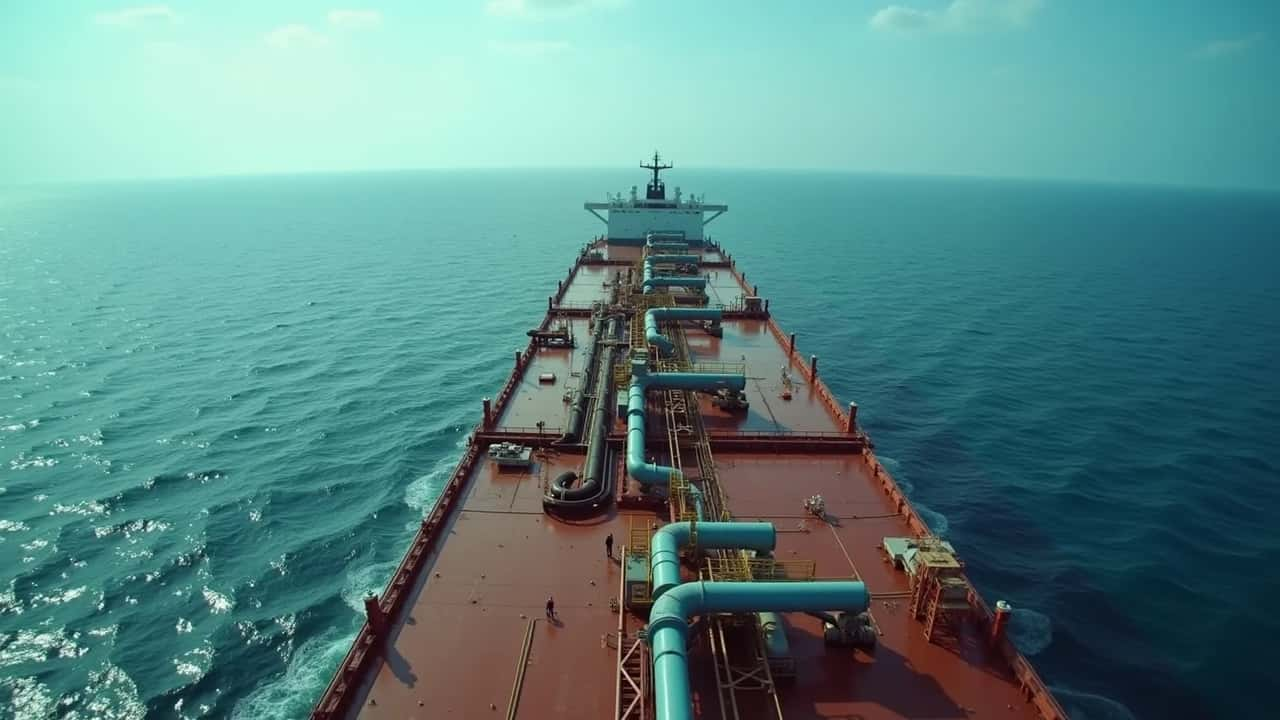
By waiving Jones Act requirements for domestic petroleum transport, the administration allowed approximately 40 foreign-flagged tankers to move oil between U.S. ports — boosting the effective capacity of the domestic fleet by roughly 70%, according to White House figures. Those vessels have moved more than 9 million barrels of American oil and fuel since March.
The 90-day extension, covering May 18 through August 15, reflects the administration's judgment that the energy cost pressure has not abated sufficiently to let the waiver lapse. With midterm elections in November and fuel prices among the most politically visible economic indicators, the calculus is partly policy and partly politics.
What It Has Actually Done to Prices
The impact on fuel costs has been contested. Average U.S. gasoline prices have risen by approximately 32.4 cents per gallon since the initial waiver was issued in March — meaning prices went up even with the waiver in place. Critics point to this as evidence that the Jones Act is not the primary driver of fuel price variation and that waiving it offers limited consumer relief.
The Center for American Progress estimated in March 2026 that waiving the Jones Act would reduce East Coast gas prices by approximately 3 cents per gallon, while potentially increasing costs on the Gulf Coast where domestic shippers compete directly with the newly eligible foreign vessels.
The picture is more complex for non-energy commodities. For businesses shipping goods between Hawaii, Alaska, Puerto Rico, or Guam and the continental U.S. — industries including agriculture, construction materials, and retail — Jones Act compliance requirements have historically meant higher shipping costs than comparable routes in non-Jones Act markets.
The Legal Landscape: Who Benefits and Who Pays
Jones Act economics are redistributive. The law transfers value from shippers (who pay higher freight rates for compliant U.S. vessels) to U.S. shipbuilders and maritime unions (who benefit from protected market demand). Whether that transfer is worth the cost depends on how you weigh national security considerations against economic efficiency.
From a legal standpoint, the waiver authority allows the Secretary of Homeland Security — acting through the Maritime Administration — to exempt specific voyages from Jones Act requirements when the national defense or national emergency justifies it. The Trump administration has invoked national security as the legal basis for both the original waiver and its extension.
Businesses operating in industries affected by maritime transport — energy, agriculture, manufacturing, construction — may have compliance obligations, contractual issues, or disputes arising from the shifting legal landscape. The waiver changes what routes are legally available to certain vessels, which can affect freight contracts, shipping schedules, and cost structures that were negotiated under different assumptions.
When Maritime Law Requires Legal Guidance
The Jones Act's complexity extends beyond freight transport. The statute also governs the rights of maritime workers — sailors, offshore oil platform workers, and others engaged in navigable water commerce — to seek damages for injuries. This is a distinct body of law from general personal injury, with its own standards, statutes of limitation, and procedural rules.
Businesses that charter vessels, negotiate freight contracts, or operate in coastal or offshore industries may encounter situations where maritime law intersects with commercial contracts, insurance claims, or regulatory compliance in ways that require specialist legal input. Similarly, workers injured in maritime contexts have legal rights that differ substantially from those available under standard workers' compensation frameworks.
If your business is affected by Jones Act compliance requirements, freight pricing shifts, or contract terms that reference maritime regulatory status, or if you are a maritime worker with questions about your legal rights, consulting an attorney with maritime law expertise is the appropriate first step. The rules are specialized, the stakes in disputes are often high, and the interplay between federal maritime law and state tort law is not intuitive.
Expert Zoom connects individuals and businesses with legal specialists available for online consultation, including attorneys with experience in maritime and transportation law. A 30-minute consultation can clarify whether your situation falls within maritime law's scope and what your options are.
For official information on Jones Act requirements and waiver processes, the U.S. Maritime Administration (MARAD) provides authoritative guidance on domestic shipping regulations.
This article provides general legal information for educational purposes only. It does not constitute legal advice. Consult a qualified attorney for guidance specific to your situation.
