 David Carter
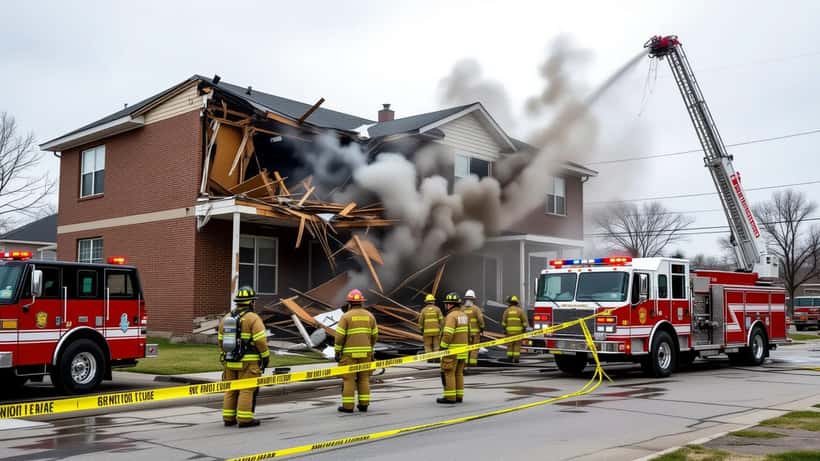
On May 28, 2026, a natural gas explosion destroyed a two-story apartment building in Dallas’s Oak Cliff neighborhood. The blast killed three people and injured at least five others. Dallas Fire-Rescue said a construction crew struck an Atmos Energy gas line shortly before the explosion, turning a routine afternoon into a five-alarm emergency.
The tragedy has put gas safety back in the national conversation. It also highlights a simple, free habit that homeowners and contractors often skip: calling 811 before digging.
Why Gas Safety Is Back in the Headlines
The Dallas blast was not an isolated incident. In the first week of June 2026, KERA reported that excavators in Texas had damaged underground pipelines more than 4,800 times since the start of the year. Over 1,000 of those incidents happened in the Dallas–Fort Worth metroplex alone.
The Pipeline and Hazardous Materials Safety Administration, the federal agency that oversees U.S. pipeline safety, warns that third-party excavation damage is the leading cause of pipeline incidents. A single strike on a pressurized gas line can fill a structure with fuel in minutes. One spark can do the rest.
Federal regulators and local utilities have stressed the same message for years: know what is below before you break ground. The 811 “Call Before You Dig” system exists so utilities can mark buried gas, electric, water, and telecom lines before any excavation work begins.
The 811 Rule: A Free Call That Prevents Disasters
Calling 811 is free and available in every state. Homeowners and contractors submit a locate request two to three business days before digging. Utility locators then mark underground lines with paint or flags at no cost.
According to PHMSA, calling 811 before digging gives a 99 percent chance of avoiding contact with an underground utility line. Despite that, many homeowners skip the step for small projects such as planting trees, installing fences, or building decks.
Those small projects can have big consequences. A scraped gas line may not leak immediately, but damage to the pipe coating or a dent in the line can lead to corrosion and failure later. That is why PHMSA requires a call to 911 any time gas is released from a damaged line.
Warning Signs Every Homeowner Should Know
Natural gas has no odor on its own. Gas utilities add a sulfur-like chemical called mercaptan so leaks are easy to smell. The most common sign is a rotten-egg odor near appliances, meters, or outdoor lines.
Other warning signs include a hissing or roaring sound near a gas line, blowing dirt, bubbling water, or dead or dying plants in an otherwise healthy yard. Indoors, a yellow or orange burner flame on a gas stove can signal incomplete combustion. A properly adjusted gas flame should burn blue.
Homeowners should also watch for physical symptoms when gas appliances are running. Headaches, dizziness, nausea, or fatigue can indicate carbon monoxide buildup. Unlike natural gas, carbon monoxide has no smell, which makes working detectors essential.
When to Bring in a Home-Improvement Expert
Gas lines, fittings, and appliances are not DIY projects. A licensed plumber, HVAC technician, or contractor who handles gas work can inspect lines, test for leaks, and verify that appliances vent correctly.
A professional inspection is especially important after any excavation work near your property. Even if the work was permitted and 811 was called, private service lines between the meter and the house may not be marked. Those lines belong to the homeowner, and damage to them is the homeowner’s responsibility.
Experts also recommend installing UL-listed combustible gas detectors near furnaces, water heaters, ranges, and fireplaces. These devices sound an alarm before gas reaches explosive levels. They are a small investment compared with the cost of a fire, explosion, or insurance claim.
What to Do If You Suspect a Leak
If you smell gas or suspect a leak, leave immediately. Do not light matches, smoke, flip switches, use a flashlight, or operate any electrical device. Static electricity or a small spark can ignite gas that has accumulated in the air.
Once you are safely away, call 911 and your gas utility from a neighbor’s phone or from outside the area. Do not try to locate the source yourself. Do not start your car if it is parked near the leak. Wait for emergency responders or utility crews to clear the scene before returning.
Homeowners who are planning any outdoor project should add 811 to their checklist before the first shovel goes in the ground. The call takes only a few minutes, and the utility marks can prevent a tragedy like the one in Dallas from happening again.
Expert help is one click away. A licensed home-improvement contractor or plumber can inspect your gas lines, check your appliances, and make sure your home is ready for summer projects. For official pipeline safety guidance, visit the U.S. Department of Transportation’s PHMSA.
