 William Reed
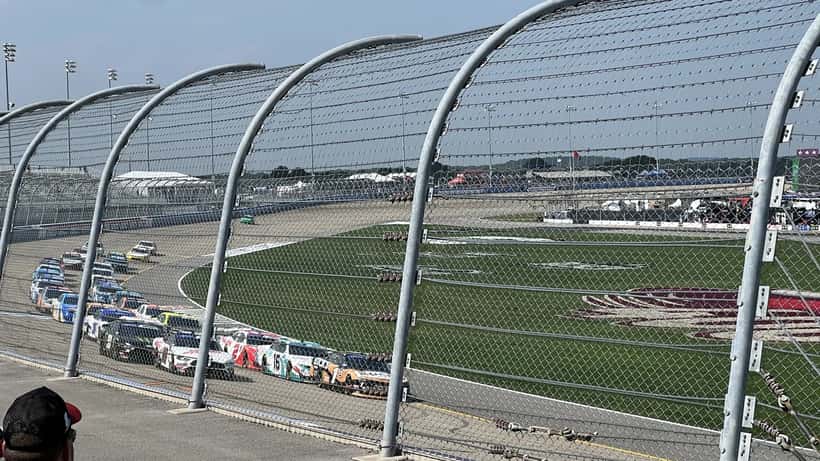
NASCAR's Cracker Barrel 400 is set for Sunday, May 31, 2026 at Nashville Superspeedway in Lebanon, Tennessee — the 14th points-paying race of the 2026 Cup Series season. The race weekend, which opened Thursday with the Craftsman Truck Series and continues through the weekend, puts the country's best-prepared vehicles on display. What goes into making those cars race-ready translates directly to the safety of any vehicle on American roads.
Why NASCAR Mechanics Set the Standard for Vehicle Safety
No vehicle in daily use is inspected as thoroughly or as often as a NASCAR Cup Series car. Before a race, mechanics run through a comprehensive safety protocol covering every major system on the vehicle. Each item on that checklist corresponds to a failure mode that can cause a serious accident — not just at 180 mph on a concrete oval, but on the interstate at 70.
For the 2026 Nashville race, the stakes are higher than usual. NASCAR shifted Nashville Superspeedway from intermediate-track to short-track rules this season, meaning Cup cars are now running with a higher horsepower ceiling of 750 hp, up from the previous limit of 670. Higher power means greater strain on every mechanical system. The same principle applies to road cars when drivers push them with heavy loads, in summer heat, or on long highway trips.
5 Checks Race Teams Run That Every Driver Should Too
1. Tire condition and pressure. NASCAR teams check tire pressure before every session, and pressure changes are tracked continuously throughout a race. The reason is simple: pressure affects handling, braking distance, and blowout risk. For street vehicles, the National Highway Traffic Safety Administration recommends checking tire pressure at least once a month and before any long trip. Underinflated tires are one of the leading causes of highway blowouts in the U.S. According to NHTSA, you can use the penny test — if Lincoln's head is fully visible when inserted into the tread groove, your tires are dangerously worn and must be replaced.
2. Brake system integrity. Race crews inspect brake pads, rotors, calipers, and brake fluid before every session. Brake fade — the loss of stopping power under repeated heavy use — is a real risk in racing and on mountain roads or in stop-and-go traffic in summer heat. For your vehicle, brake fluid should be flushed approximately every two years; brake pads should be inspected annually. A mechanic can spot hairline cracks in rotors that a visual inspection from the outside cannot detect.
3. Fluid levels and cooling system. NASCAR engines run at extreme temperatures, and overheating can destroy an engine in minutes. Race teams maintain every fluid at exact specifications before a race. Engine coolant, oil, power steering fluid, and transmission fluid all degrade over time. If your temperature gauge rises above its normal range during a summer drive, pull over immediately — driving a few extra miles on an overheating engine can cause damage that costs thousands of dollars to repair.
4. Belt and hose condition. A snapped timing belt or burst coolant hose ends a race instantly. On a highway, it creates a breakdown in traffic that carries real safety risk. NASCAR teams replace belts and hoses on strict intervals regardless of apparent condition. For road vehicles, mechanics recommend inspecting belts and hoses at every oil change and replacing them proactively at intervals specified in your owner's manual — usually every 60,000 to 90,000 miles for timing belts.
5. Lights and electrical systems. NASCAR's 2026 technical updates include mandated A-post flaps — safety components that deploy electronically during a spin or rollover to reduce the risk of the car becoming airborne. The mandate underscores how much modern race cars depend on electrical systems functioning correctly under stress. For street vehicles, non-functional brake lights, turn signals, or headlights are not just a traffic citation risk — they remove critical safety information from other drivers. Test every exterior light monthly, including the rear brake light that is most likely to burn out undetected.
What NASCAR Technology Is Now in Your Car
The Next Gen race car introduced in 2022 features an electronic control unit (ECU) — a centralized computer that monitors and governs engine performance. Similar technology has been standard on consumer vehicles for decades. Modern ECUs in consumer cars track engine temperature, fuel injection, emissions, and hundreds of other parameters, and store error codes when something is wrong.
If your dashboard warning light comes on and turns off, the error code may still be stored. A mechanic with an OBD-II scanner — standard equipment in any repair shop — can read those codes and identify problems before they escalate into expensive failures. Many auto parts retailers also offer free OBD-II scans. Do not ignore a warning light that appeared even briefly; in modern vehicles, intermittent warnings often precede recurring failures.
When to See a Mechanic Before a Long Drive
A pre-trip inspection with a qualified mechanic is the closest analog to the pre-race inspection NASCAR teams conduct. Before any trip of 300 miles or more — or before summer driving season — a full inspection covering tires, brakes, fluids, belts, and the electrical system takes less than an hour and costs far less than a roadside breakdown.
If any of the five checks above reveal an issue you cannot resolve yourself — low brake pad thickness, coolant that appears brown or rusty, a persistent warning light — a professional inspection is the appropriate next step. The NHTSA summer driving tips page provides federal guidance on road safety preparation, including vehicle readiness standards that apply to all passenger vehicles.
Learn more about what qualified mechanics check for vehicle safety in this guide: What the ARCA Race at Talladega Revealed About Car Safety Inspections.
NASCAR mechanics have 15 seconds to identify a tire failure during a pit stop. Every driver on American roads should give their vehicle at least 15 minutes before a long trip. The inspection protocols that keep 750-horsepower race cars on the track all summer are the same principles that keep family vehicles safe from Tennessee to California.
