 Cora Nelson
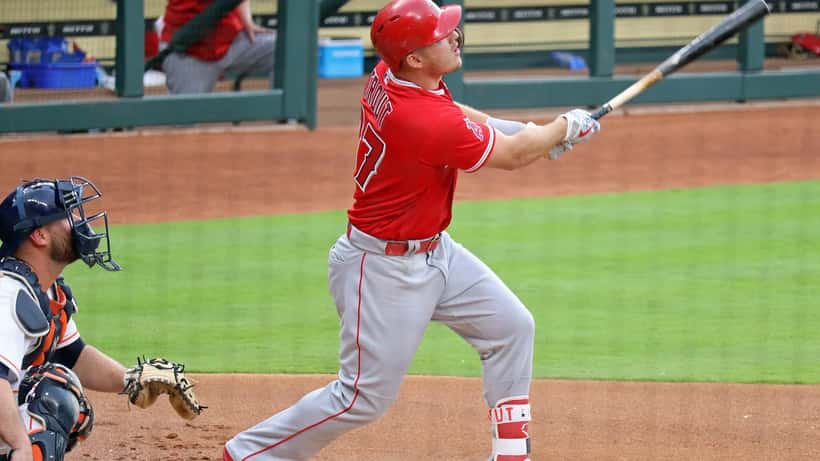
Mike Trout walked into Angels camp this spring eight to 10 pounds lighter than he had in any previous season. As of June 4, 2026, the Los Angeles Angels outfielder leads Major League Baseball with 56 walks, is slashing .241/.412/.498 across 14 home runs and 31 RBI, and just posted an 11-game on-base streak with a 1.101 OPS. The numbers describe a 34-year-old back in elite form. The story behind the numbers is a deliberate, medically supervised body recomposition program — and it offers a roadmap for any athlete or active adult fighting back against the cumulative wear of a decade of high-impact sport.
According to an ESPN report published in early 2026, Trout asked the Angels to move him back to center field for 2026, the position where he is most comfortable. He then rebuilt the off-season program from the ground up. New nutritionist. New workout structure with varied daily intensity. Less junk food. The weight dropped to roughly 230 pounds. The hand injury he suffered against the Seattle Mariners in early April was diagnosed as a contusion, X-rays negative, and he returned without an IL stint.
Why 34 is a different athletic problem
The standard medical literature on older professional athletes identifies the mid-30s as a transition window. Lean muscle mass starts to decline at roughly 1 percent per year after age 30 without targeted resistance training. Recovery from high-intensity work takes longer. Connective-tissue injuries become more common than acute soft-tissue strains. Inflammation markers run higher in athletes who have not adjusted their nutrition for a slower metabolism.
A sports-medicine physician working with a 34-year-old who wants to extend a competitive career — professional or amateur — generally builds the plan around four levers. First, body composition: drop visceral fat and preserve lean mass through targeted resistance training and protein-forward nutrition. Second, recovery architecture: more sleep, more periodized rest, and an honest read on training load. Third, anti-inflammatory eating, usually built around the Mediterranean or DASH framework rather than a celebrity diet of the year. Fourth, injury-prevention movement screens that flag joint compensations before they become tears.
Trout's reported program checks all four boxes. A nutritionist for the eating side. Daily workouts with varied intensity for the recovery architecture. Weight loss for the body composition. The hand contusion that did not become a fracture — because the underlying tissue was less swollen and the force was absorbed across a more conditioned hand — is the kind of outcome that comes from the injury-prevention layer doing its job.
The trap most aging athletes fall into
The classic failure pattern for 30-plus athletes is the opposite of what Trout did. They try to recapture peak performance by doing what they used to do, only harder. The result is overuse injuries, slower recovery, and a season that ends with the athlete blaming age when the actual cause is undermanaged training load.
A study published in the British Journal of Sports Medicine on masters athletes — the catch-all term for competitive athletes over 35 — found that the biggest predictor of late-career performance is not training volume but training load management. The athletes who keep producing at elite levels are the ones whose programs adjust week to week based on objective recovery markers, not the ones who push through. Heart rate variability, sleep quality, joint range-of-motion screens and subjective fatigue ratings all matter more than the gym hours logged.
The National Institute of Arthritis and Musculoskeletal and Skin Diseases publishes a free guide to sports injury prevention and recovery at niams.nih.gov/health-topics/sports-injuries that covers the same protocols Trout's medical team is running, scaled down for amateur athletes and active adults. It is the most accessible US public-health resource on the science behind the program.
What weekend warriors should copy
The Trout playbook scales down well for the recreational athlete who wants to keep playing high-impact sport into their 40s and beyond. The protocol does not require a major-league budget. It does require professional guidance.
A registered dietitian who specializes in sports nutrition can build a personalized eating plan in three to five sessions. A sports medicine physician or orthopedic specialist can run a movement screen and identify the two or three joint compensations most likely to break down under load. A certified strength and conditioning specialist can periodize a program that varies intensity across the week and avoids the daily-grind injury pattern. Total cost, in most US metros, runs $800 to $1,500 for a comprehensive setup, less than a single MRI for a torn meniscus.
The key behavior change is not the diet or the workout. It is the willingness to track objective recovery data and adjust the week's training based on it. Athletes who run that loop continue to produce. Athletes who do not are the ones whose careers end at 33.
Trout's specific medical context
The hand contusion Trout took against the Mariners in April is also worth understanding for what it did not become. Hand and wrist contusions in baseball routinely escalate into hairline fractures, ligament strains, or chronic compensation patterns that affect the swing for the rest of the season. Trout's stayed a contusion, with negative X-rays, and he was day-to-day rather than IL-bound. That outcome is consistent with a hand and wrist conditioning program — grip strength, forearm flexibility, vibration-damping equipment — that absorbs force better than an untrained hand would.
For recreational players in racquet sports, baseball, climbing, or any activity that loads the hand and wrist, a targeted preventive program built by a sports-medicine specialist is the single highest-return intervention available. It will not look glamorous. It will significantly reduce the chance of a contusion becoming a fracture.
The takeaway
Mike Trout's 2026 season is the most useful real-world case study in late-career athletic performance currently available. The structure is reproducible. Nutrition discipline, periodized training load, recovery tracking, and preventive medicine layered on top of consistent effort. Athletes who copy the architecture extend their careers. Athletes who copy the headlines about diet trends do not.
If you are a recreational or competitive athlete past 35 who has not had a sports-medicine assessment in the last 24 months, that visit is the most useful appointment you can book this quarter. The cost is modest. The data it produces is the foundation that the rest of the program — nutrition, training, recovery — is built on. Trout's team did that work. The results are visible in the box score.
