 Ava Miller
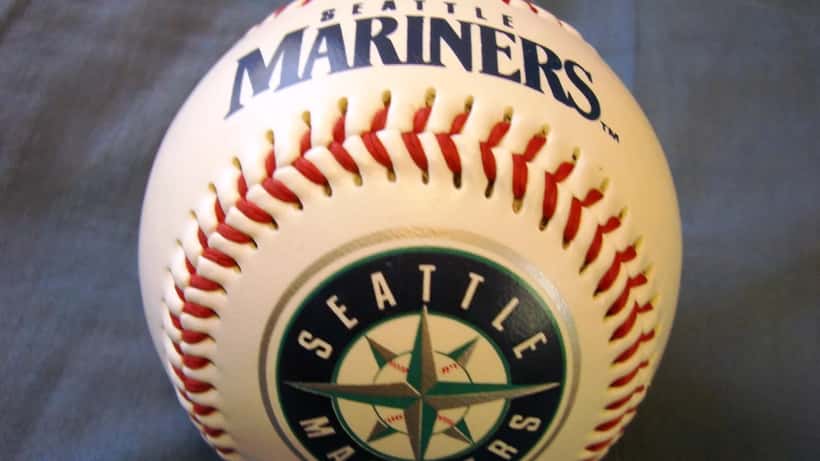
The Seattle Mariners are surging. Four straight wins have pushed them to first place in the American League West, but their May 31, 2026 matchup against the Arizona Diamondbacks carries an unspoken question: how long can their pitching shuffle last without damaging an arm?
Why Seattle's Piggyback Strategy Is Turning Heads
For the third consecutive start on May 31, 2026, the Mariners are running Bryce Miller and Luis Castillo in a piggyback arrangement — one pitcher handling three to four innings before handing off to the other. Meanwhile, catcher Cal Raleigh returned to Seattle for a rehab check, and Patrick Wisdom was only just reinstated from the 10-day injured list on May 29 after J.P. Crawford's walk-off hit secured a 7-6 win over Arizona.
The strategy is working, at least for now. But sports medicine specialists are watching closely.
The piggyback format reduces individual pitch counts per outing. The idea is simpler workloads should mean healthier arms. In practice, it's more complicated than that.
What Piggyback Pitching Actually Does to a Pitcher's Arm
Arm injuries don't follow clean narratives. A pitcher who throws fewer pitches per game isn't automatically protected — the relationship between workload and tissue health depends on consistency, recovery, and underlying mechanics.
Sports medicine doctors track several markers in pitchers that traditional pitch-count models miss entirely.
Muscle soreness timing. Normal delayed-onset muscle soreness (DOMS) peaks 24 to 48 hours after an effort. When pitchers rotate on compressed schedules, they sometimes return to the mound before that inflammatory window fully closes — and that's when injury risk quietly climbs.
Grip strength drops. A decline of more than 15% from a player's baseline grip strength is a clinical red flag. Athletes rarely report it because they compensate automatically, often by subtly changing their arm angle or stride — adjustments that transfer stress directly to the ulnar collateral ligament (UCL).
Elbow and shoulder load asymmetry. The UCL — the ligament destroyed in Tommy John surgery — absorbs enormous stress during every overhand throw. Pitchers who adjust their mechanics mid-season, even slightly, concentrate that load in new and dangerous ways. Robbie Ray's years-long recovery journey shows exactly how quickly that ligament can fail when accumulated stress goes unaddressed. Read about the road back from Tommy John surgery.
3 Arm-Injury Red Flags Sports Doctors Monitor
According to the National Institute of Arthritis and Musculoskeletal and Skin Diseases, musculoskeletal injuries in throwing athletes follow identifiable warning patterns that players regularly dismiss as normal soreness.
1. Unexplained velocity loss. A pitcher who loses two or more miles per hour of fastball speed without an obvious fatigue explanation is showing one of the most reliable early indicators of soft-tissue damage or early UCL stress. MLB analytics teams now flag this as a primary injury predictor.
2. Pain that arrives after the game, not during it. Many elbow injuries don't produce pain while pitching — they emerge hours later. When a pitcher mentions general post-outing soreness, a sports medicine specialist asks specifically when the discomfort peaks. Timing changes everything about the diagnosis.
3. Mechanical drift under fatigue. When a pitcher shortens their stride or drops their release point late in an outing, it's the body signaling that primary muscle groups — rotator cuff or forearm flexors — have fatigued and that the elbow is compensating. Left uncorrected, this pattern creates cumulative overload. Max Fried has been public about building his injury prevention routine around exactly this kind of mechanical monitoring throughout the season. Learn about Fried's arm care approach.
The Piggyback Trend Is Spreading to Amateur Baseball
Seattle's strategy is filtering down to youth and adult recreational leagues, where coaches are experimenting with shorter outings without the medical infrastructure that MLB teams maintain.
Unlike professional pitchers, amateur athletes rarely have access to biomechanical assessments, consistent sports medicine oversight, or formal arm-care protocols. The result is that pitchers at every level — from high school to adult leagues — are being managed on instinct rather than clinical data.
The question coaches should be asking isn't just how many pitches a player threw. It's whether the player is fully recovered before they throw again.
When to See a Sports Medicine Specialist
A sports medicine physician or orthopedic specialist should evaluate any pitcher who experiences the following:
- Pain that persists more than 48 hours after pitching
- An unexplained and measurable drop in throwing velocity
- Tingling or numbness in the ring finger or pinky (possible ulnar nerve involvement)
- Any "pop" sensation during or after a throw
- Swelling visible around the elbow or shoulder joint
For Mariners fans watching Castillo and Miller trade innings in a winning rotation, the story is an exciting one. But the deeper lesson — for pitchers at every level — is that arm health lives in recovery rooms and training sessions, not just in pitch counts.
If you or a young athlete you know are experiencing throwing-related pain, connecting with a board-certified sports medicine physician can identify problems before they require surgery. Expert Zoom links patients directly with orthopedic specialists and sports medicine doctors who assess throwing mechanics and recovery protocols based on individual history.
This article is for informational purposes only and does not constitute medical advice. Consult a licensed sports medicine professional for diagnosis and treatment.
