 Cora Nelson
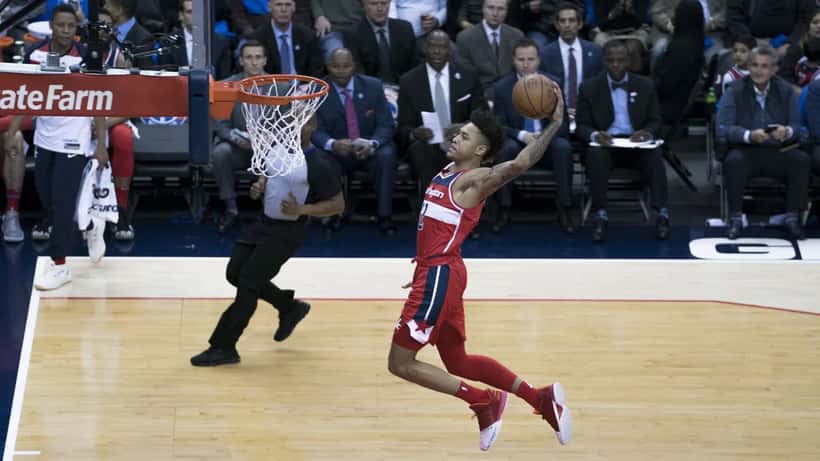
When Philadelphia 76ers guard Kelly Oubre Jr. left the lineup on March 10, 2026, with a sprained lateral collateral ligament in his left elbow, few expected him back in time for the postseason. Seven weeks later, he logged 39 minutes, 14 points, nine rebounds, two steals, and two blocks in a Game 6 playoff victory that forced a decisive Game 7 against the Boston Celtics. His comeback wasn't just a feel-good story — it's a masterclass in how elbow sprains are managed and what patients need to know before deciding to push through pain.
What Exactly Is a Lateral Collateral Ligament Elbow Sprain?
The lateral collateral ligament (LCL) of the elbow runs along the outer side of the joint, connecting the humerus to the ulna and radius. It stabilizes the arm during rotation and extension — precisely the motions required when a basketball player plants for a layup, blocks a shot, or catches a hard pass. According to OrthoInfo from the American Academy of Orthopaedic Surgeons, elbow LCL sprains are graded on a three-level scale:
- Grade I (mild): ligament fibers stretched but intact; minimal swelling, near-normal range of motion
- Grade II (moderate): partial ligament tear; noticeable pain, some instability
- Grade III (severe): complete rupture; significant instability, often requiring surgery
Oubre's MRI revealed a sprain managed conservatively — rest, anti-inflammatory treatment, and structured rehabilitation — which allowed him to return to play roughly three weeks after the initial diagnosis. That timeline is consistent with Grade I or low-Grade II injuries in high-level athletes receiving daily physiotherapy.
The Warning Signs You Should Never Ignore
Here's what worries sports medicine specialists: most weekend warriors with elbow sprains delay seeking professional evaluation for weeks, sometimes months. During that window, a moderate sprain can deteriorate into a chronic instability problem that eventually requires reconstructive surgery.
The red flags that warrant an immediate consultation with a sports medicine physician or orthopedic specialist include:
Pain on the outer elbow during or after activity. A dull ache that sharpens when you twist a doorknob, carry groceries, or shake hands is the textbook signal of LCL involvement.
A clicking or popping sensation. These proprioceptive signals often indicate the joint is subluxating — moving briefly out of its normal track — which stresses surrounding cartilage.
Numbness or tingling in the ring and pinky fingers. The ulnar nerve travels close to the LCL. Persistent sprain-related inflammation can compress it, leading to what athletes informally call "dead arm."
Swelling that persists beyond 48–72 hours. Post-activity icing typically controls acute inflammation. If swelling remains days after rest, that's a structural signal, not just soreness.
Why Oubre's Recovery Worked — and Why Yours May Differ
Professional athletes have one enormous advantage over the general population: immediate access to imaging, daily hands-on physiotherapy, and carefully monitored return-to-play protocols. When Oubre was first evaluated, an MRI confirmed the injury grade within hours. That precision matters enormously: research in sports medicine consistently shows that patients who receive early imaging and a graded rehabilitation protocol recover roughly 40 percent faster than those who rely solely on rest-and-wait approaches.
For the average adult — managing work deadlines, limited insurance coverage, and no team trainer — the path is less straightforward. Many people arrive at a specialist's office having already made the injury worse by returning to activity without proper structural support. In those cases, what began as a manageable Grade II sprain may have progressed to a Grade III tear, or created secondary inflammation in the radial head that complicates recovery.
As we explored in What the NBA's Injury Protocols Teach Us About Everyday Sports Safety, the gap between professional and recreational athlete care is substantial — but access to qualified specialists can close that gap. A sports medicine physician, orthopedic surgeon, or physiotherapist can:
- Order and interpret targeted imaging (MRI or ultrasound) to accurately grade the tear
- Design a staged rehabilitation protocol that rebuilds LCL integrity without re-stressing the joint
- Prescribe bracing or taping to allow functional activity during recovery
- Identify nerve involvement early, before numbness becomes permanent
The Psychological Side: "Playing Through It" Is Often Counter-Productive
Oubre admitted in a January 2026 interview with the Philadelphia Inquirer that he was "anxious to get back" during his recovery. That psychological pressure — well-documented among both professional athletes and recreational players — is one of the primary drivers of premature return and re-injury.
Sports psychologists describe the fear of NOT playing — of being irrelevant, of losing form — as a powerful override on rational judgment. For Oubre, the 76ers' medical staff counterbalanced that impulse, holding him out even when he lobbied to return.
Recreational athletes rarely have that external check. A physician or physiotherapist provides objective, evidence-based milestones for return rather than letting pain tolerance drive the timeline. If you're telling yourself "it only hurts a little" after an elbow injury that hasn't been evaluated, that's exactly the moment to book an appointment.
How Long Should Recovery Actually Take?
Recovery timelines depend on injury grade, patient age, activity level, and adherence to rehabilitation:
| Grade | Conservative Recovery | With Full Physiotherapy |
|---|---|---|
| Grade I | 2–3 weeks | 10–14 days |
| Grade II | 6–8 weeks | 4–6 weeks |
| Grade III (no surgery) | 3–6 months | 2–4 months |
| Grade III (surgical) | 9–12 months | 6–9 months |
Oubre's approximately three-week return aligns squarely with a well-managed Grade I or mild Grade II injury. His availability for Game 7 — less than eight weeks after the initial sprain — suggests no structural compromise remained. That outcome is achievable for motivated patients who engage with professional guidance from day one.
What to Do After an Elbow Injury
If you've taken a hit to the elbow, landed awkwardly on an outstretched arm, or felt a sudden outer-elbow pain during throwing or lifting, follow this triage sequence:
- Apply PRICE protocol immediately (Protection, Rest, Ice, Compression, Elevation) for the first 48 hours
- Do not attempt to "walk it off" through a training session — loading a partially torn ligament accelerates fiber failure
- Seek evaluation within 72 hours if pain persists at rest, if swelling is visible, or if grip strength feels compromised
- Request imaging — a basic X-ray rules out avulsion fractures; MRI confirms soft tissue involvement
- Follow a staged return-to-activity protocol with a licensed physiotherapist before resuming sport
Kelly Oubre Jr.'s elbow sprain became a playoff-run comeback story because his injury was identified early, graded correctly, and rehabilitated professionally. For everyday athletes dealing with the same anatomy, the path to a full recovery runs through the same place: a specialist who can see inside the joint and plan accordingly.
On Expert Zoom, you can connect with sports medicine physicians and orthopedic specialists who assess elbow injuries, design rehabilitation protocols, and help you return to the activities you love — on a timeline built around your body, not your schedule.
This article is for informational purposes only and does not constitute medical advice. Always consult a qualified healthcare professional for diagnosis and treatment of injuries.
