 Evelyn Carter
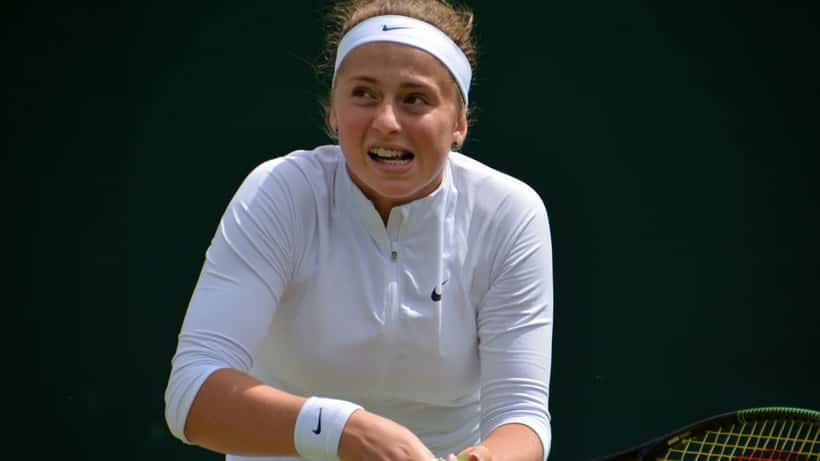
Jelena Ostapenko took a painkiller during a medical timeout on October 14, 2026, then saved three match points to beat No. 2 seed Jessica Pegula 2-6, 7-6(7), 6-3 in the second round of the Wuhan Open. The comeback took 2 hours and 23 minutes and put the Latvian into the third round, where she will face Leylah Fernandez or qualifier Shi Han.
The tennis was remarkable. The medicine-cabinet question behind it is one that millions of amateur athletes face every weekend.
What happened on court in Wuhan
Pegula controlled the first set 6-2 and led 6-4 in the second-set tiebreak, holding three match points. Trailing 3-2 in the second set, Ostapenko had called a medical timeout and came back with her right arm heavily strapped, according to the WTA's match report.
"I had a lot of pain in my arm, then I took a painkiller and then I was fighting for every single point," she said in her on-court interview, as quoted by the WTA. The report describes the problem as arm pain without naming a specific diagnosis, so any talk of tendon trouble is informed speculation, not fact.
The win was her third over a Top 10 opponent in 2026, reported as the 28th of her career. She entered the week ranked No. 32 or thereabouts, depending on the update.
Why a painkiller mid-match matters to everyone else
Professional players work with physicians who know their medical history, their kidney function and their schedule. Recreational players do not. When a weekend tennis, pickleball or golf player feels a sharp ache in the forearm, the usual response is to swallow two ibuprofen tablets and keep playing.
Sports medicine physicians generally separate two goals. Pain relief lets you finish the match. Diagnosis tells you whether finishing the match was a good idea. Forearm and elbow pain in racquet sports often comes from overloaded tendons or from irritated nerves. Those conditions can respond very differently to rest, bracing and anti-inflammatory drugs.
The National Institute of Arthritis and Musculoskeletal and Skin Diseases explains that tendinitis is inflammation or irritation of a tendon, and that continuing the aggravating activity can prolong recovery. That is the core risk of masking pain: the warning signal goes quiet while the tissue keeps taking load.
Three questions a clinician asks before you play through pain
A physician or physical therapist will usually want to know three things before saying whether it is reasonable to compete.
First, where exactly does it hurt? Pain over the bony point of the outer elbow suggests a different problem than pain along the muscle belly or a tingling sensation into the fingers.
Second, is the pain mechanical or constant? Pain that appears only on a backhand and fades within minutes is a different story from an ache that wakes you at night.
Third, is there weakness? Dropping a coffee cup, losing grip strength or being unable to fully extend the wrist are signs that call for an exam, not another tablet.
Painkillers also carry their own risks. Over-the-counter anti-inflammatories can irritate the stomach and strain the kidneys, particularly when combined with dehydration, which is common during long matches in heat. Anyone with kidney disease, ulcers, blood pressure problems or on blood thinners should ask a doctor or pharmacist before using them at all.
A weekend player's version of the Wuhan dilemma
Consider a 42-year-old recreational player in Phoenix who plays tennis three times a week. During a Saturday league match, a sharp pain appears on the outside of her right forearm. She takes 400 mg of ibuprofen in the changeover, finishes the match, and takes another 400 mg that evening and a third dose the next morning.
The over-the-counter label limit for ibuprofen is 1,200 mg in 24 hours unless a doctor directs otherwise. Three 400 mg doses already put her at that ceiling after a single day, with nothing left in reserve if the pain returns that night.
Now apply the if/then logic. If the pain disappears within 48 hours of rest and returns to zero on a gentle grip test, then a short break from play and a gradual return over one to two weeks is a reasonable plan. If the pain is still present after 14 days, or if grip strength drops enough that she struggles to hold a racquet, then she should see a sports medicine physician before the next league match.
The cost of waiting is real. A tendon problem caught in week two may need only load management and targeted exercises. The same problem ignored for three months can turn into a chronic condition that takes far longer to settle, and sometimes requires imaging or injections.
What the pros can do that you cannot
Elite players have a trainer courtside, ultrasound access within hours and doctors who can adjust a schedule. They also carry unusual incentives. A WTA 1000 quarterfinal is worth ranking points and prize money that make tolerating pain a calculated choice.
Amateurs rarely face that tradeoff. Your Saturday doubles match is not worth a six-month layoff. The sensible translation of Ostapenko's decision is not "take a pill and fight," but "know what you are fighting before you decide."
Strapping, which she used, can offload a sore area temporarily. A physical therapist can show you how to apply support correctly and how to adjust grip size, string tension and stroke mechanics, all of which change the stress on the forearm.
Recovery is part of the match plan
Ostapenko now has a short turnaround. Her third-round match comes within about a day of a 2 hour 23 minute battle, and her arm will have had very little time to settle. Fatigue changes how a player swings: shorter recovery means sloppier mechanics, and sloppy mechanics push more load onto the same sore tissue.
Amateurs can borrow the principle without the schedule. After a long session, plan one lighter day before you hit again. Warm up the forearm with gentle wrist and grip movements for five to ten minutes, and stop a session early if the pain rises above a mild ache. Ice or heat can ease discomfort, but neither replaces an assessment if symptoms keep returning.
Sleep, hydration and gradual increases in playing time matter just as much. Jumping from one match a week to four, as many players do during a league season or a vacation tournament, is a classic setup for overuse trouble.
When to book an appointment
A professional opinion is worth paying for when any of these apply:
- Pain lasts longer than two weeks despite rest
- Pain wakes you at night or hurts at rest
- You notice numbness, tingling or reduced grip strength
- You need pain medication just to play, week after week
- You have kidney, stomach or heart conditions, or take blood thinners
Nothing here is medical advice, and this article cannot diagnose anyone. Ostapenko's exact condition has not been publicly specified, and the details of her treatment are known only through her own comments.
If your arm, elbow or wrist is limiting your game, an ExpertZoom sports medicine or orthopedic physician can examine it, explain what the pain means and help you build a safe return plan. Our related coverage of how a shoulder injury comeback is managed at the Wuhan Open shows what a structured recovery looks like.
Book a consultation with a verified health expert on ExpertZoom before the next match, not after the next flare-up. Read the NIH's overview of tendinitis for a primer on how these injuries develop.
